Omanghana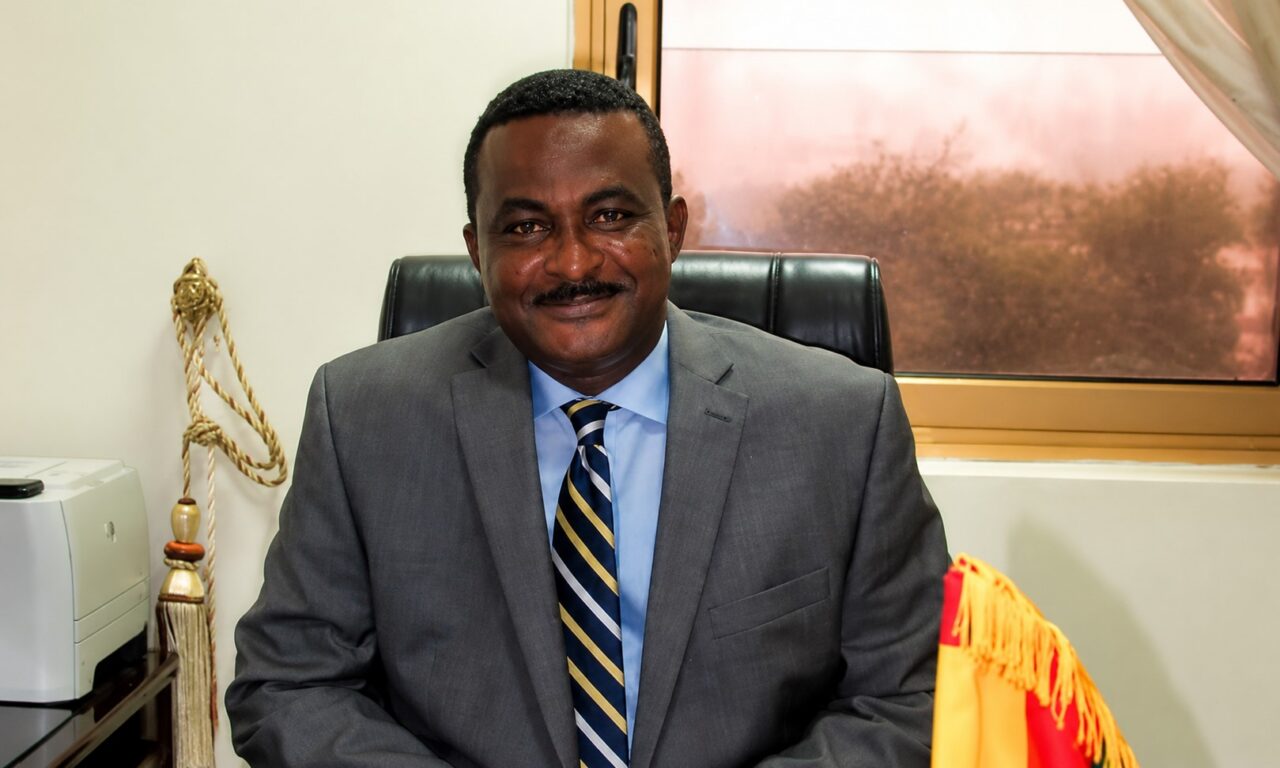
Deputy Majority Leader Kwaku Ricketts-Hagan has disclosed that individuals found responsible for alleged financial losses under the previous government’s Gold-for-Oil program will face prosecution.
Speaking on Power 97.9 FM’s Asem Kesie program on Saturday, July 25, 2026, the Cape Coast South Member of Parliament said investigations were underway to establish the roles played by the program’s key architects and implementers.
Ricketts-Hagan, who also serves as Board Chairman of the Ghana Revenue Authority, alleged that the state had uncovered financial losses of about $2.4 billion linked to the initiative. He maintained that anyone found culpable must be held legally accountable and made to compensate the country.
The lawmaker described the policy as a “reckless barter trade” that failed to produce lasting economic benefits for ordinary Ghanaians. He argued that despite the resources committed to the program, it did not provide the meaningful relief its promoters had promised.
Ricketts-Hagan also raised concerns about what he described as a lack of transparency surrounding the transactions. He questioned the identities of the companies that supplied the petroleum products, how prices were determined and how any outstanding or residual funds were managed.
According to him, the public deserves a complete account of the movement of both the gold and petroleum products involved in the program. He said investigators would examine the agreements, payments and other records to determine whether the state suffered losses and who should be held responsible.
The Gold-for-Oil program was introduced by the former Akufo-Addo administration in late 2022 as part of efforts to reduce Ghana’s demand for US dollars to finance petroleum imports.
Under the initiative, domestically purchased gold was used to secure refined petroleum products for the Ghanaian market. The government at the time argued that the arrangement would help conserve foreign exchange reserves, reduce pressure on the cedi and stabilize fuel prices at the pumps.
Supporters of the program maintained that it provided an alternative mechanism for importing petroleum products during a period of intense currency depreciation and rising living costs.
However, the policy attracted criticism from opposition parties and civil society organizations, including IMANI Africa. Critics questioned the program’s governance structure, pricing arrangements and the level of independent oversight applied to the transactions.
There were also concerns that the initiative gave an unfair advantage to selected state-backed importers and distorted competition within Ghana’s petroleum market.
Some analysts further disputed claims that the program was primarily responsible for reductions in fuel prices recorded during parts of its implementation. They argued that movements in international crude oil and refined-product prices contributed significantly to the changes observed locally.
Ricketts-Hagan said the ongoing investigations would move beyond political claims and focus on documentary evidence. He indicated that prosecutions would depend on the findings and the ability of investigators to establish wrongdoing against specific individuals.
The MP did not identify the officials currently under investigation or provide a timeline for the completion of the process.
No court has yet determined liability in relation to the alleged $2.4 billion loss. Those who may be implicated will remain entitled to due process and the opportunity to respond to any allegations brought against them.
Source: Omanghana