Omanghana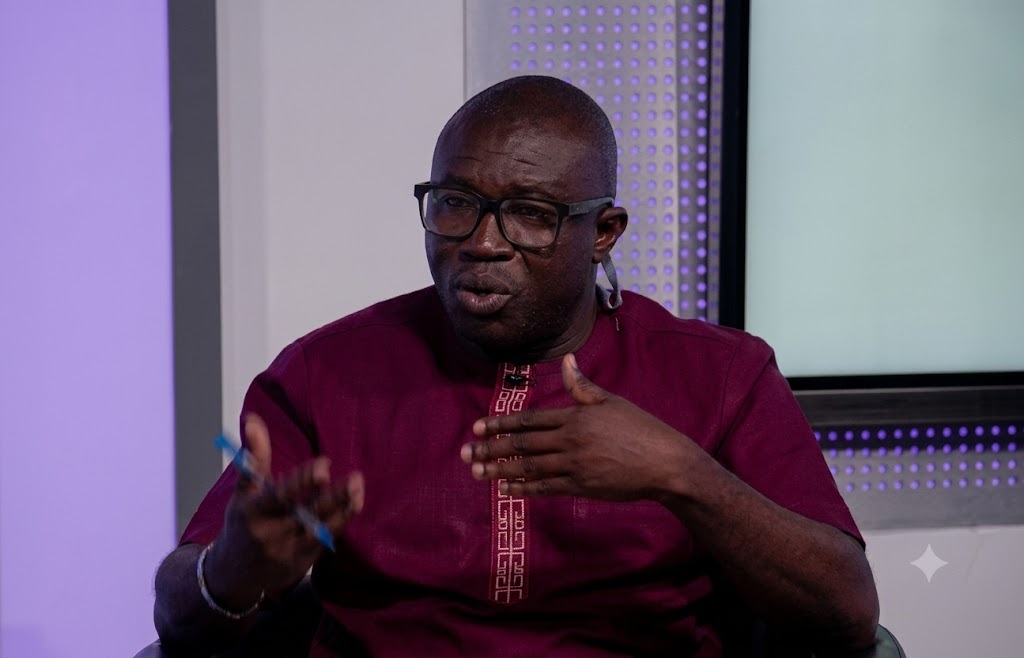
The General Secretary of the National Council of Parent-Teacher Associations, Raphael Kofi Gapson, has called for greater parental involvement in financing Ghana’s Free Senior High School program.
Gapson argued that the government cannot continue bearing every expense associated with secondary education and urged parents who can afford it to assume responsibility for selected costs.
He made the remarks during an Adom TV education forum titled “The Future of Free SHS: Sustain, Reform or Redesign?”, which brought together representatives of political parties, education advocacy organizations, teachers and parents.
“Government cannot bear all the cost, so parents should also be responsible for certain expenses,” Gapson said.
His comments represent a proposal from the National Council of Parent-Teacher Associations and not an announcement of a new government policy. No official decision has been made requiring parents to pay tuition or other previously covered Free SHS expenses.
Rising Enrolment Puts Pressure on Schools
Gapson acknowledged that Free SHS had transformed secondary education by allowing thousands of students to enrol regardless of their families’ financial circumstances.
He said the rapid expansion in enrolment had, however, placed pressure on infrastructure, feeding, teaching materials and school administration.
“Free SHS has transformed secondary education, and we need to protect it,” he said.
According to him, persistent delays in the release of funds to schools have affected daily operations and weakened the learning environment.
He also identified inadequate classrooms, limited accommodation and insufficient teacher training as challenges requiring urgent attention.
Gapson said the debate should no longer focus solely on whether secondary education remained free but also on whether students were receiving education of adequate quality.
“Education is measured by outcomes,” he stated.
Call for Targeted Parental Contributions
Gapson proposed that the state should continue guaranteeing access to secondary education while allowing financially capable parents to contribute towards certain expenses.
He did not provide a final list of costs that should be transferred to parents. Any cost-sharing arrangement, he suggested, should be properly defined and transparently administered rather than imposed through unauthorised charges.
The PTA leader said a formal framework could help prevent headteachers and school administrators from resorting to unofficial levies when government funding was delayed or inadequate.
Parents’ contributions could be directed towards areas such as infrastructure, security, additional support staff, extracurricular activities and other needs not considered part of the program’s essential tuition package.
Gapson maintained that the government’s priority should be to create a conducive learning environment instead of attempting to finance every item associated with senior high school education.
“The most important thing is to make sure the learning environment is conducive for students to learn well,” he said.
Free Uniforms Questioned
Gapson also questioned whether the provision of free school uniforms should remain a major spending priority when schools continued to face infrastructure and operational challenges.
He argued that limited resources should be directed towards the factors that have the greatest influence on teaching and learning.
His position reflected similar proposals made by other participants in the forum, who called for a review of selected Free SHS components, including uniforms, exercise books and the full public financing of boarding education.
Education policy advocate Kwasi Gyetuah proposed that the government should continue funding tuition and day education while parents who voluntarily choose boarding facilities pay some of the additional costs.
Other participants urged the government to priorities classrooms, dormitories, teachers and teaching materials before expanding non-essential benefits.
Political Leaders Challenged
Gapson further challenged political leaders to demonstrate their confidence in the public education system by enrolling their children in government senior high schools.
“If government truly believes in Free SHS, then they should let their own children attend these schools,” he said.
He argued that policymakers would better understand the challenges facing the program if their families relied on the same institutions as the broader public.
Despite advocating reforms, Gapson stressed that Free SHS should not be abolished. He said the program had become a permanent feature of Ghana’s education system and should be protected through a sustainable funding model.
The forum participants broadly agreed that Free SHS had significantly widened access to secondary education but required reforms to improve infrastructure, teacher capacity, financing and learning outcomes.
Any formal change requiring parents to assume costs currently covered by the state would have to be announced by the government and implemented through clear regulations. Until then, the existing Free SHS framework remains in force.
Source: Omanghana