Omanghana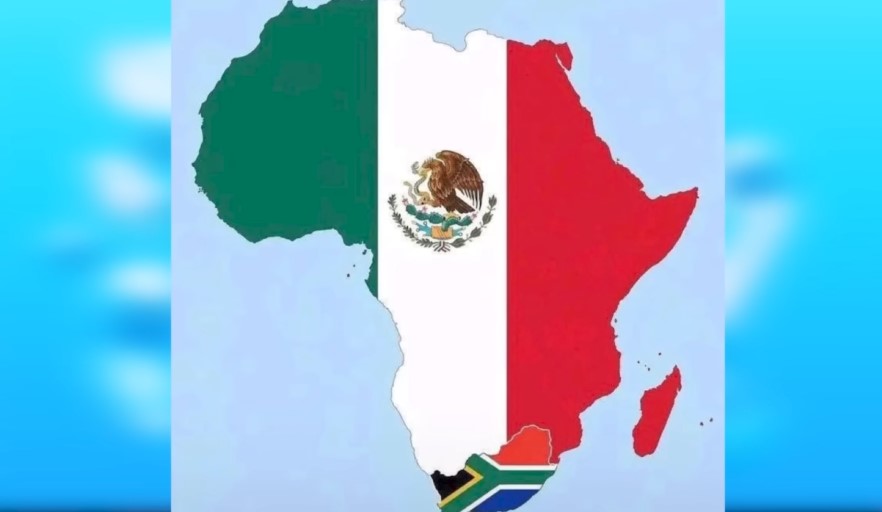
South Africa’s 2-0 loss to tournament co-hosts Mexico in its opening match of the 2026 FIFA World Cup has generated widespread discussion on social media, with many football fans across Africa reacting with humor, memes, and commentary that extended beyond the match itself.
Rather than the traditional display of continental support often seen during global tournaments, some users from countries including Nigeria, Ghana, Kenya, and Zimbabwe openly celebrated Mexico’s victory, linking the result to broader debates surrounding migration and xenophobia in South Africa.
Mexico Makes Winning Start
Mexico secured all three points with a composed performance in the Group A encounter, defeating Bafana Bafana 2-0 in front of an enthusiastic crowd.
South Africa’s challenge became even more difficult after two players, Sphephelo Sithole and Themba Zwane, were sent off during the match, forcing the team to finish with nine men.
The defeat leaves Bafana Bafana under pressure heading into its remaining group-stage fixtures.
Social Media Filled With Memes and Symbolic Gestures
Following the final whistle, social media platforms were flooded with reactions from fans across the continent.
Some users changed their profile pictures to the Mexican flag, while others shared memes featuring tacos, mariachi bands, and sombreros in celebration of Mexico’s victory. Hashtags such as “Mexico versus xenophobia” gained traction as online discussions connected football results with wider political and social issues.
Humorous posts and satirical commentary circulated widely, with many users employing football banter to express frustration over reports of anti-immigrant sentiment and violence in South Africa.
Football Reactions Reflect Broader Regional Tensions
The online response highlighted how sporting events can become intertwined with larger geopolitical and social debates.
For decades, African football supporters have often united behind teams representing the continent in major international competitions. However, some fans argued that ongoing concerns about the treatment of foreign nationals in South Africa had influenced their willingness to support Bafana Bafana during the tournament.
Recent reports of emergency repatriation efforts by several African governments and discussions surrounding migration policies have intensified public debate, with some social media users drawing direct connections between those issues and their reactions to South Africa’s World Cup campaign.
South African Fans Defend Their Team
Despite the criticism and online mockery, many South African supporters rallied behind the national team, emphasizing the difficult circumstances under which the match was played.
They praised the resilience shown by coach Hugo Broos’ side despite finishing the contest with only nine players and urged observers to separate political disagreements from sporting competition.
Some also argued that discussions about immigration policy and employment challenges should not overshadow the efforts of players representing their country on the international stage.
Sport and Social Issues Intersect Online
The reactions to South Africa’s defeat underscore the growing role of social media in shaping the narrative around major sporting events. Football matches increasingly serve as platforms for fans to express opinions on issues extending far beyond the pitch, including politics, migration, and regional relations.
While many of the posts were intended as light-hearted banter, the volume and nature of the commentary reflected deeper frustrations held by some users regarding broader developments in Southern Africa.
As the 2026 FIFA World Cup continues, attention will return to Bafana Bafana’s efforts to revive its campaign on the field, even as discussions off the pitch continue to generate debate across the continent.
Source: Omanghana