Omanghana
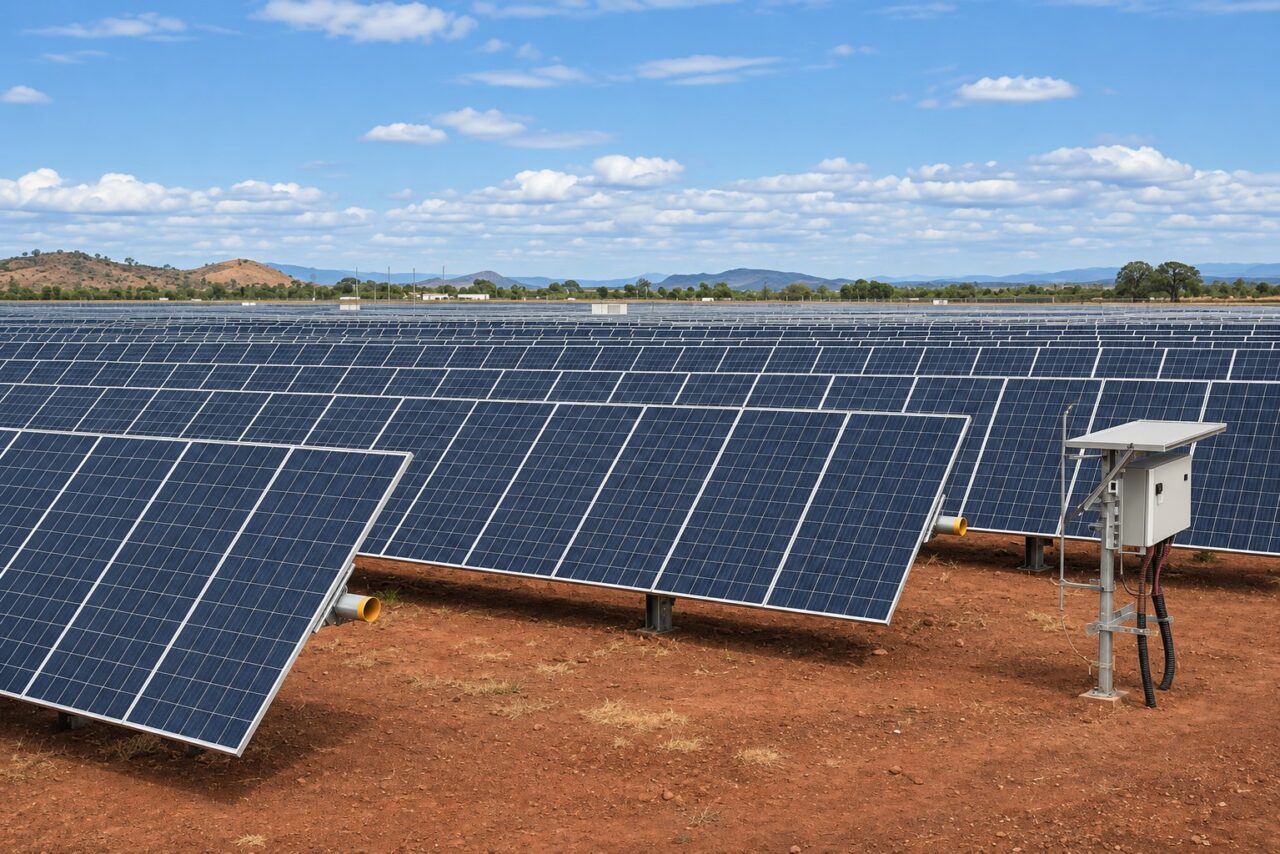
Ghana’s Minister for Energy and Green Transition, Dr John Abdulai Jinapor, has called on African countries to develop a domestic solar manufacturing industry and capture more of the economic value created by the clean-energy transition.
Speaking at the Ninth Session of the International Solar Alliance Assembly, Jinapor said Africa should build the capacity to produce solar technologies as it expands their use. He described energy self-sufficiency as a strategic priority amid uncertainty in global energy markets.
The minister said achieving that ambition would require technology transfer, investment in local industrial capacity and access to affordable, long-term financing. He said such measures could support industrial growth, create jobs and strengthen economic resilience.
Africa’s solar opportunity
Africa has considerable potential to expand solar energy. According to the International Energy Agency, the continent is home to about 60% of the world’s best solar resources.
Yet much of the equipment used to harness that potential comes from overseas. Energy research organization Ember estimates that 94% of the solar panels expected to be installed in Africa in 2026 were imported from China.
Its analysis also found that Chinese solar panel exports to Africa were valued at approximately US$2.4 billion in the 12 months to June 2026.
Jinapor’s call highlights the opportunity for African countries to develop industries around the production and use of solar technology, allowing more of the benefits to remain on the continent.
Ghana’s solar plans
In Ghana, the government is promoting rooftop solar systems, installing solar streetlights and pursuing policies to supply critical public facilities with solar power, the minister said.
Separately, Ghana is developing a proposed solar power and battery storage project at Buipe in the Savannah Region. The project is designed to generate up to 1.5 gigawatts of solar power and provide electricity for industrial users.
Officials say the project is intended to lower electricity costs and improve the competitiveness of Ghanaian manufacturers. Project information also projects approximately 13,000 direct jobs, most of them during construction.
Source: Omanghana