Omanghana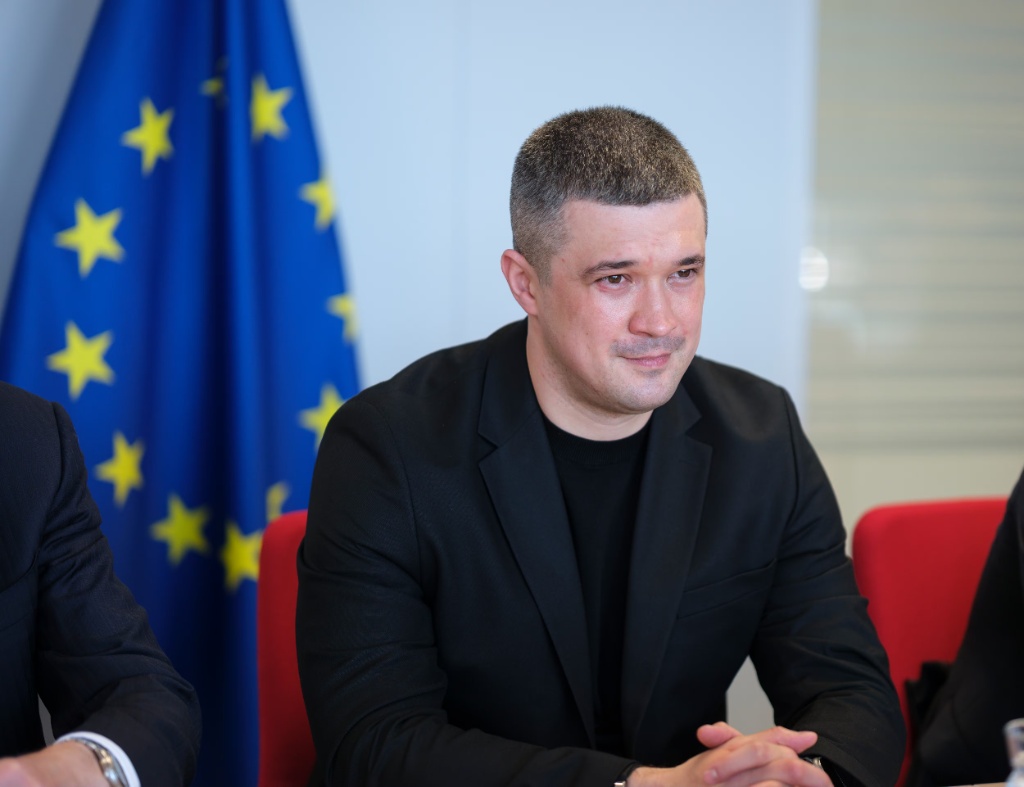
KYIV, Ukraine — Ukrainian President Volodymyr Zelenskyy has dismissed Defense Minister Mykhailo Fedorov after just six months in office, marking one of the most significant changes to Ukraine’s wartime leadership as the country continues to battle Russia’s full-scale invasion.
The move comes as part of a broader government reshuffle that followed the resignation of Prime Minister Yulia Svyrydenko, a constitutional step that resulted in the dissolution of the entire Cabinet of Ministers before a new government is formed.
Although Zelenskyy has yet to publicly outline the reasons behind Fedorov’s removal, political observers say growing tensions within Ukraine’s military leadership and disagreements over defense reforms played a central role in the decision.
Cabinet Shake-Up Amid Wartime Challenges
The latest reshuffle comes at a critical stage of the war, with Ukraine facing continued Russian missile and drone attacks while seeking to modernize its armed forces and strengthen mobilization efforts.
Government officials have described the cabinet changes as part of a broader effort to improve the efficiency of wartime governance and adapt state institutions to evolving military and economic challenges.
The departure of Fedorov, however, has attracted particular attention because of his reputation as one of Ukraine’s most innovative government officials.
Reports Point to Growing Tensions Within Defense Leadership
According to Ukrainian political analysts and lawmakers, Fedorov’s tenure was marked by increasing disagreements with senior military commanders over how the Defense Ministry should operate.
The 35-year-old former technology entrepreneur reportedly advocated for introducing faster decision-making processes, digital management systems, and data-driven reforms inspired by the technology sector.
Those proposals are said to have clashed with the more traditional command structure favored by elements of Ukraine’s military leadership.
Much of the reported friction centered on relations between Fedorov and Commander-in-Chief General Oleksandr Syrskyi, with disagreements emerging over administrative reforms, military recruitment, and mobilization policies.
Observers have described the dispute as a broader clash between rapid institutional modernization and established military procedures.
Mobilization Reforms Become a Flashpoint
One of the most contentious issues during Fedorov’s brief tenure reportedly involved efforts to overhaul Ukraine’s mobilization and recruitment system.
The former defense minister pushed for extensive structural reforms aimed at increasing transparency, reducing bureaucracy, and incorporating modern digital technologies into military administration.
However, several of those initiatives reportedly faced resistance within the defense establishment, slowing implementation.
According to lawmakers familiar with internal discussions, President Zelenskyy acknowledged during a meeting with members of the ruling Servant of the People party that tensions between Fedorov and military leadership had become increasingly difficult to manage.
Reports suggest the president ultimately chose to replace the defense minister rather than make simultaneous changes at both the political and military levels.
From Digital Innovation to National Defense
Before taking over the Defense Ministry, Fedorov gained international recognition as Ukraine’s Minister of Digital Transformation, where he led the country’s ambitious digital modernization program.
He became widely known for overseeing the development of Diia, the government platform often described as a “state in a smartphone,” allowing citizens to access public services digitally.
His appointment to the Defense Ministry reflected Zelenskyy’s broader strategy of bringing technology leaders into key government positions during the war.
Achievements During Six Months in Office
Despite his relatively short tenure, Fedorov was credited with overseeing several initiatives aimed at strengthening Ukraine’s technological capabilities on the battlefield.
Among the achievements attributed to his leadership were:
- Expanding Ukraine’s use of advanced drone technologies for long-range operations.
- Supporting efforts to disrupt Russian military logistics through precision drone strikes.
- Advancing the use of artificial intelligence and digital data analysis to improve battlefield awareness and air defense coordination.
- Strengthening international cooperation on technology-related defense initiatives.
He was also widely recognized for promoting innovation across Ukraine’s defense sector and encouraging closer collaboration between the military, private technology companies, and startup developers.
Farewell Message Highlights Reform Efforts
Following his dismissal, Fedorov issued a farewell statement on Telegram, describing his time as defense minister as “a great honor.”
He thanked military personnel and government colleagues for their cooperation and pledged to continue supporting Ukraine’s war effort through technological innovation.
In the statement, he also alluded to challenges encountered during his tenure, referring to what he described as “deliberate delays and bureaucratic obstacles” that slowed efforts to implement reforms aligned with NATO standards.
Although he did not directly criticize specific officials, the remarks were widely interpreted as a reference to internal resistance within parts of the defense establishment.
Political Reaction
The decision has generated strong reactions from opposition politicians, defense analysts, and civil society organizations.
Critics argue that replacing defense ministers after only a few months risks disrupting long-term military planning and reform efforts during an active war.
Some lawmakers have expressed concern that repeated leadership changes could create uncertainty within the Defense Ministry at a time when Ukraine continues to face intense battlefield pressures.
Meanwhile, activist groups have reportedly begun organizing demonstrations in Kyiv to protest the dismissal and call for greater stability within the country’s defense leadership.
Successor Expected Soon
President Zelenskyy is expected to nominate Interior Minister Ihor Klymenko as Ukraine’s next defense minister.
A career law enforcement official and senior general, Klymenko is viewed as an experienced security administrator with extensive experience managing national security institutions.
Ukraine’s Parliament is expected to vote on both Klymenko’s nomination and the composition of the new cabinet in the coming days.
The outcome of the vote will determine the leadership team responsible for guiding Ukraine’s defense strategy as the country enters another critical phase of its war with Russia.
Source: Omanghana