Omanghana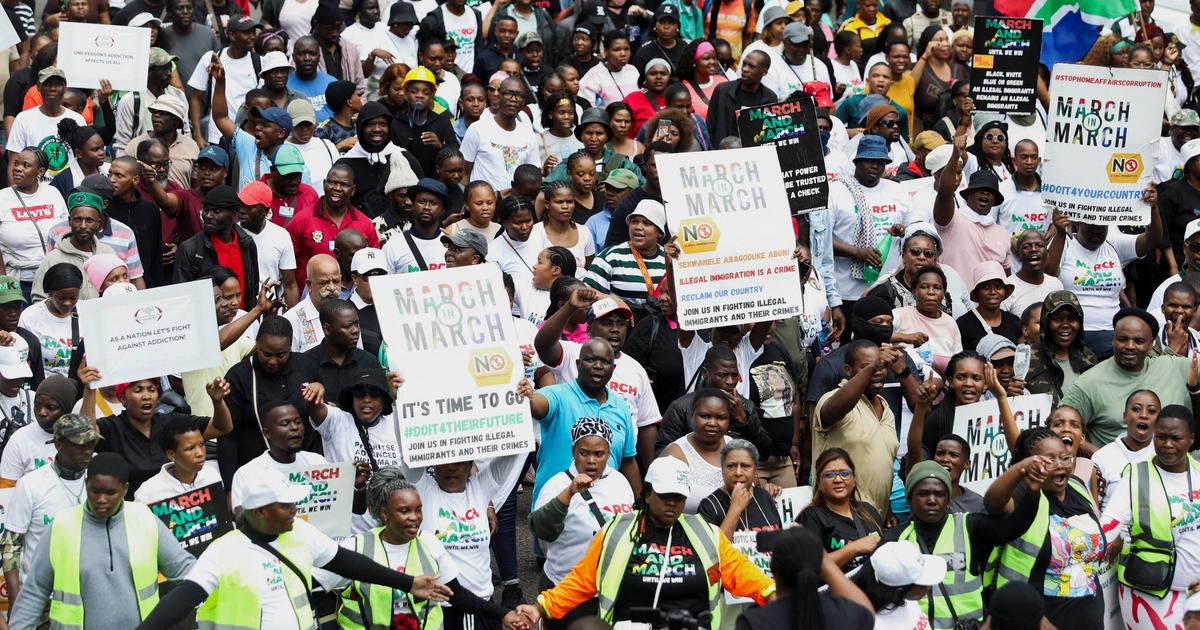
Ghana’s unprecedented state-led evacuation of hundreds of its citizens from South Africa has transformed what was largely viewed as a domestic immigration and public safety issue into a major diplomatic and continental concern.
The highly publicized repatriation effort has drawn widespread attention across Africa and beyond, forcing renewed examination of allegations of xenophobia, the treatment of foreign nationals, and the broader implications for regional integration under the African Continental Free Trade Area (AfCFTA).
What began as a response to growing security concerns has now evolved into a significant diplomatic challenge for both countries.
Challenging the Immigration Enforcement Narrative
For years, South African authorities and anti-immigration advocacy groups have maintained that enforcement efforts and community actions were primarily directed at undocumented migrants residing illegally within the country.
However, Ghanaian officials have challenged that characterization.
According to Ghana’s Ministry of Foreign Affairs, many of the individuals seeking evacuation possessed valid documentation, including work permits, residency papers, and legally registered businesses.
By organizing emergency flights for citizens who were reportedly living and working legally in South Africa, Ghana has sought to highlight concerns that hostility toward foreign nationals extends beyond immigration enforcement and may involve broader patterns of xenophobic targeting.
The development has intensified debate over whether recent incidents are rooted primarily in legal immigration concerns or in wider social tensions affecting migrant communities.
Surge in Evacuation Requests
The scale of the response has exceeded initial expectations.
Following the successful arrival of the first group of evacuees in Accra, Ghanaian diplomatic officials reported a dramatic increase in requests from citizens seeking assistance to return home.
Thousands of inquiries reportedly flooded the Ghana High Commission in South Africa, forcing officials to temporarily suspend new registrations while verification and processing efforts continued.
The surge in applications underscored the level of concern among members of Ghana’s diaspora community and highlighted the growing pressure on both governments to address the situation.
Diplomatic observers noted that such a large-scale evacuation operation is rare between two countries that maintain longstanding political, economic, and cultural ties.
Political Reactions in South Africa
The evacuations have also sparked debate within South Africa’s political landscape.
Some political leaders questioned whether the emergency flights were necessary and warned that the highly visible operation risked creating an international perception that anti-foreigner violence reflects the views of the broader South African population.
Among those expressing concern was Julius Malema, who argued that the actions could negatively affect South Africa’s international image and overshadow efforts by many citizens who oppose violence and discrimination.
The differing reactions have revealed divisions over how the crisis should be interpreted and managed, both domestically and internationally.
Economic and Legal Pressure Emerging
Beyond the humanitarian dimension, Ghana has begun signaling a more assertive legal and economic strategy.
Ghana’s diplomatic mission in South Africa has reportedly started documenting businesses, properties, and investments owned by Ghanaian nationals who may have suffered losses as a result of unrest, vandalism, or targeted attacks.
Officials have indicated that the information could be used to support future claims for compensation if evidence shows that businesses or assets were unlawfully damaged or destroyed.
The move represents a shift from symbolic protests and consumer boycotts toward formal legal mechanisms aimed at recovering financial losses.
Potential Implications for Regional Business
The dispute has also raised concerns about potential consequences for major corporations operating across the African continent.
Analysts have warned that continued tensions could create challenges for South African companies with extensive investments throughout West Africa and other regions.
Among the companies frequently mentioned in public discussions are MTN Group and Shoprite Holdings, both of which maintain significant operations outside South Africa.
While no formal retaliatory measures have been announced, business leaders are closely monitoring developments due to the potential impact on investor confidence and regional trade relations.
Ghana Seeks African Union Involvement
In a move that elevates the issue beyond bilateral diplomacy, Ghana has reportedly called for greater involvement from the African Union.
The request seeks continental engagement on concerns relating to the safety of foreign nationals, human rights protections, and compliance with broader African integration objectives.
By bringing the matter before continental institutions, Ghana is signaling that the issue has implications extending beyond the two countries and may affect wider discussions on migration, free movement, and economic cooperation across Africa.
A Growing Diplomatic Test
As evacuation efforts continue and diplomatic discussions intensify, the situation is emerging as one of the most significant tests of regional solidarity in recent years.
For Ghana, the priority remains the protection and welfare of its citizens abroad. For South Africa, the challenge lies in addressing security concerns while reassuring foreign communities and international partners that their rights and safety will be protected.
With economic interests, diplomatic relations, and regional integration goals all at stake, the coming weeks are likely to play a crucial role in determining how the crisis evolves and what lessons it may hold for the future of migration and cooperation on the African continent.
Source: Omanghana