Omanghana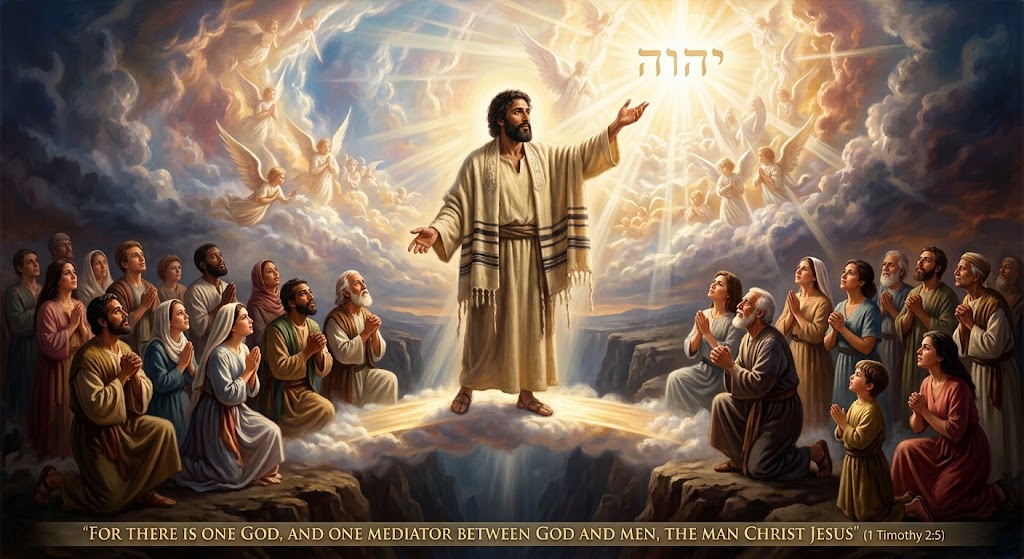
The Bible describes Jesus Christ as the “mediator of a new covenant” in Hebrews 8:6, Hebrews 9:15 and Hebrews 12:24. First Timothy 2:5 similarly declares that there is one mediator between God and humanity—the man Christ Jesus.
The biblical Greek word translated as “mediator” is mesitēs. It refers to a person who stands between two parties, reconciles them and establishes the basis for a restored relationship.
In Christian theology, humanity has been separated from God by sin. Jesus serves as the mediator who removes that separation, reconciles sinners to God and establishes the new covenant through His death and resurrection.
His mediation is not limited to delivering a message. Christ represents God to humanity, represents humanity before God, offers the sacrifice that makes reconciliation possible and continues to intercede for believers.
Jesus Is Fully God and Fully Human
A mediator must be capable of representing both parties. Christianity teaches that Jesus is uniquely qualified because He is both fully divine and fully human.
This union of Christ’s divine and human natures is traditionally called the hypostatic union. Jesus did not cease to be God when He became human, nor was His humanity merely an appearance. He possesses a complete divine nature and a complete human nature united in one person.
His divine nature enables Him to reveal God perfectly, while His human nature allows Him to represent humanity faithfully.
First Timothy 2:5 states:
“For there is one God and one mediator between God and mankind, the man Christ Jesus.”
By becoming human, Christ entered humanity’s condition without participating in its sin. He obeyed God perfectly and fulfilled the righteousness that fallen people could not achieve for themselves.
Jesus therefore stands as the unique bridge between a holy God and sinful humanity.
Jesus Is Both High Priest and Sacrifice
Under the old covenant, priests offered animal sacrifices on behalf of the people. These offerings formed part of Israel’s divinely established system of worship, cleansing and atonement.
However, the Book of Hebrews explains that these sacrifices were repeated because they could not provide the final and complete removal of sin.
Jesus mediates differently. He does not bring the blood of another sacrifice; He offers Himself.
Hebrews 9:11–15 presents Christ as the greater High Priest who entered the true heavenly sanctuary through His own blood. His sinless life and sacrificial death secured redemption and established the new covenant.
Christ is therefore both the priest who presents the offering and the sacrifice that is offered.
His death on the cross deals with humanity’s guilt, satisfies divine justice and creates the basis for peace with God. His resurrection confirms His victory over sin and death.
Unlike the repeated sacrifices of the old covenant, Christ’s sacrifice was offered once for all. It does not require repetition because its redemptive value is complete and eternal.
Jesus Is the Guarantor of a Better Covenant
Hebrews 7:22 describes Jesus as the guarantor, or surety, of a better covenant.
The Greek word used is engyos, a term associated with someone who assumes responsibility for the fulfilment of an obligation. In ancient legal and financial arrangements, a guarantor pledged to satisfy the terms of an agreement if another party failed.
Jesus guarantees the new covenant by fulfilling God’s righteous requirements on humanity’s behalf.
He lived in perfect obedience, bore the consequences of sin and accomplished what fallen humanity could not achieve through its own efforts.
Christ also guarantees that God’s covenant promises will be fulfilled. Through Him, believers receive forgiveness, reconciliation, adoption, spiritual renewal and the hope of eternal life.
The security of the covenant therefore rests not on the perfection of human performance but on the completed work and continuing faithfulness of Christ.
Jesus Continually Intercedes for Believers
Christ’s role as mediator did not end when He died on the cross. His mediation continues through His risen and exalted life.
Hebrews 7:25 teaches that Jesus is able to save completely those who approach God through Him because He always lives to intercede for them.
Romans 8:34 similarly presents the risen Christ at the right hand of God, interceding for believers.
This does not suggest that Jesus must persuade an unwilling Father to show mercy. The Father sent the Son out of love, and the work of redemption reflects the united purpose of the Father, Son and Holy Spirit.
Christ’s intercession means that He continually represents believers before the Father on the basis of His finished work.
First John 2:1 also describes Jesus as an Advocate, translated from the Greek word Paraklētos. When Christians sin, Christ stands as their righteous representative.
His advocacy does not excuse or minimize sin. Instead, it assures believers that forgiveness rests on His sufficient sacrifice rather than their personal merit.
Jesus Is Greater Than Moses
Moses served as a mediator of the old covenant. He received God’s law, communicated it to Israel and stood between God and the people at critical moments.
Jesus fulfils a far greater mediatorial role.
| Dimension | Moses and the Old Covenant | Jesus and the New Covenant |
|---|---|---|
| Nature | A faithful human servant | The incarnate Son of God |
| Sanctuary | An earthly and temporary tabernacle | The true heavenly sanctuary |
| Covenant blood | Blood of repeatedly offered animals | Christ’s own blood, offered once for all |
| Place of the law | Written on tablets of stone | Written on minds and hearts |
| Priesthood | Temporary and succeeded by others | Eternal and unchangeable |
| Result | Revealed sin and humanity’s need for redemption | Provides forgiveness, reconciliation and eternal inheritance |
Moses faithfully delivered the law, but he could not transform the human heart or permanently remove sin.
Jesus establishes the better covenant promised in Jeremiah 31:31–34. Under this covenant, God writes His law on the hearts of His people, forgives their sins and brings them into a restored relationship with Himself.
Why Christ’s Mediation Matters
Calling Jesus the mediator of the new covenant means that access to God is made possible through Him.
Christ reveals the Father, bears sin, fulfils righteousness, establishes the covenant and continually intercedes for those who trust Him.
His mediation addresses both humanity’s guilt and its separation from God. Through His sacrifice, believers are forgiven; through His resurrection, they receive hope; and through His continuing intercession, they are assured that His saving work remains effective.
Jesus is not merely one mediator among many. The New Testament presents Him as the unique and sufficient mediator because He alone is fully God and fully human, the perfect High Priest, the final sacrifice and the eternal guarantor of God’s covenant promises.
Source: Omanghana