Omanghana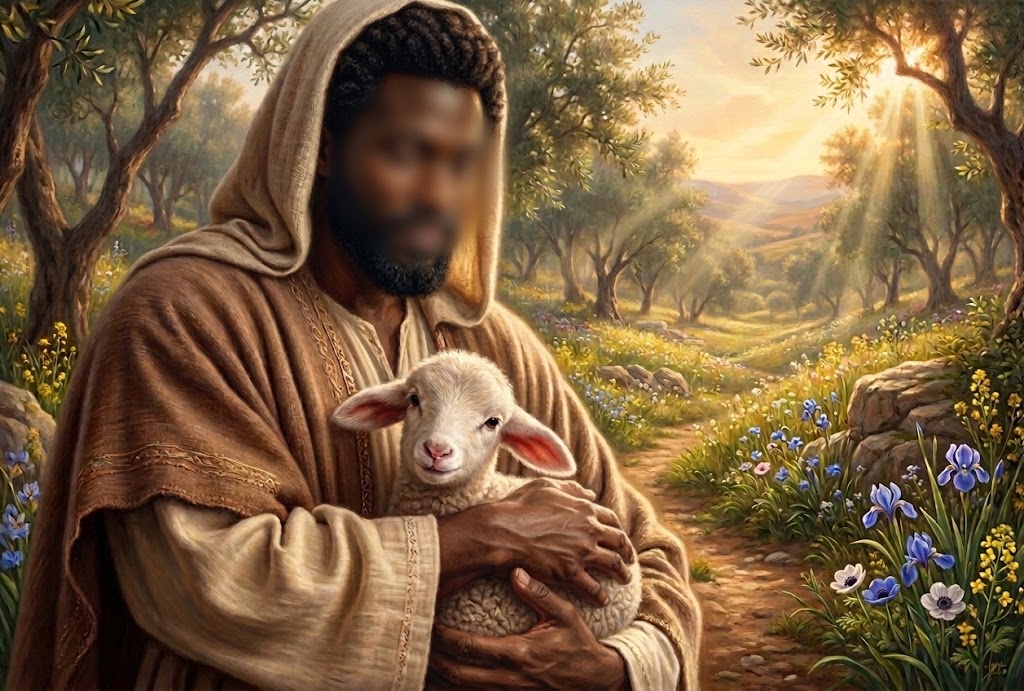
Jesus Christ is called the “Lamb of God” because He offered Himself as the perfect sacrifice for humanity’s sins. The title connects His death on the cross with the lambs used in Old Testament worship, particularly during Passover.
The expression appears prominently in John 1:29, when John the Baptist sees Jesus approaching and declares, “Behold, the Lamb of God, who takes away the sin of the world!”
This proclamation identifies Jesus as the promised Saviour whose sacrifice would provide forgiveness and reconciliation with God. Unlike the repeated animal sacrifices of the Old Testament, Christ’s offering was complete and sufficient for all time.
One of the clearest foundations for the title is the first Passover recorded in Exodus 12. Before Israel’s deliverance from Egypt, each household was instructed to sacrifice an unblemished lamb and place its blood on the doorposts. The households marked by the lamb’s blood were spared when judgment passed through the land.
Christians understand this event as a foreshadowing of Jesus. Just as the Passover lamb’s blood protected the Israelites from physical death, Christ’s blood delivers believers from the judgment and consequences of sin. Paul makes this connection in 1 Corinthians 5:7, describing Christ as “our Passover lamb” who has been sacrificed.
The title also points to the suffering servant described in Isaiah 53. The prophet portrays an innocent servant who bears the sins of others and is led “like a lamb to the slaughter” without resisting His persecutors.
The New Testament applies this prophecy directly to Jesus in Acts 8:32–35. His silence before His accusers and willingness to endure crucifixion reveal that His death was a voluntary act of sacrifice rather than an event beyond His control.
Under the Old Testament sacrificial system, unblemished lambs were offered regularly at the Tabernacle and later at the Temple. These sacrifices symbolised atonement but had to be repeated because they could not permanently remove sin.
Hebrews 10:11–14 contrasts those continuing sacrifices with the work of Christ. Jesus offered one perfect sacrifice for sins and completed what the earlier rituals could only anticipate.
The account of Abraham and Isaac in Genesis 22 also contributes to this imagery. When Isaac asked where the lamb for the burnt offering was, Abraham answered that God would provide it. God ultimately supplied a ram in Isaac’s place.
Christian interpretation sees this event as a picture of substitution and a foreshadowing of God providing His own Son for humanity’s redemption.
The Lamb of God is not presented only as a suffering victim. In Revelation, Jesus appears as the Lamb who was slain but now stands alive, victorious and worthy to rule creation.
Revelation 5:12 declares that the slain Lamb deserves “power and wealth and wisdom and strength and honour and glory and praise.” The image brings together Christ’s sacrifice, resurrection, authority and final victory over evil.
Jesus is therefore called the Lamb of God because He is innocent, without sin and willingly offered in humanity’s place. Through His death and resurrection, He fulfils the Passover, the sacrificial system and the prophecy of the suffering servant while reigning as the victorious Lord.
Source: Omanghana