Omanghana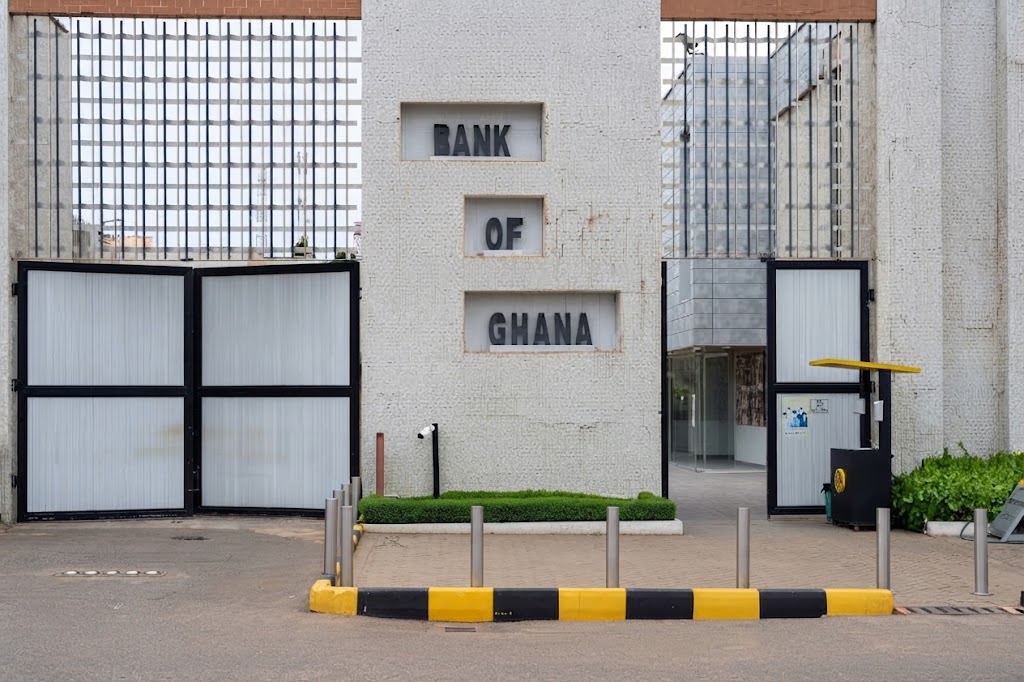
The Bank of Ghana has withdrawn a total of GH¢21.41 billion in excess liquidity from the banking sector through two short-term tenders ahead of its 132nd Monetary Policy Committee meeting.
The liquidity-management operation was conducted using 14-day Bank of Ghana bills issued at a fixed interest rate of 10.5%. The funds have been temporarily locked away from the financial system rather than permanently removed.
During the first tender held on Monday, the central bank accepted the entire GH¢13.71 billion submitted by participating banks. A second operation on Wednesday absorbed an additional GH¢7.70 billion, bringing the total amount withdrawn within the week to GH¢21.41 billion.
The move is intended to manage excess funds within the banking system, regulate the supply of money and help maintain stability in the short-term money market.
It could also reduce the volume of funds immediately available for interbank transactions and lending. Commercial banks may consequently face tighter liquidity conditions and exercise greater caution in expanding credit over the short term.
The intervention comes shortly before the Monetary Policy Committee meets from September 22 to 24, 2026, to assess economic conditions and determine the appropriate direction of monetary policy.
The committee is expected to review inflation developments, exchange-rate movements, banking-sector conditions and other domestic and international factors before announcing its latest policy decision.
By absorbing excess cedi liquidity ahead of the meeting, the central bank is seeking to limit potential pressure on the foreign exchange market, stabilise short-term interest rates and reinforce efforts to bring inflation towards its target range.
Source: Omanghana