Omanghana
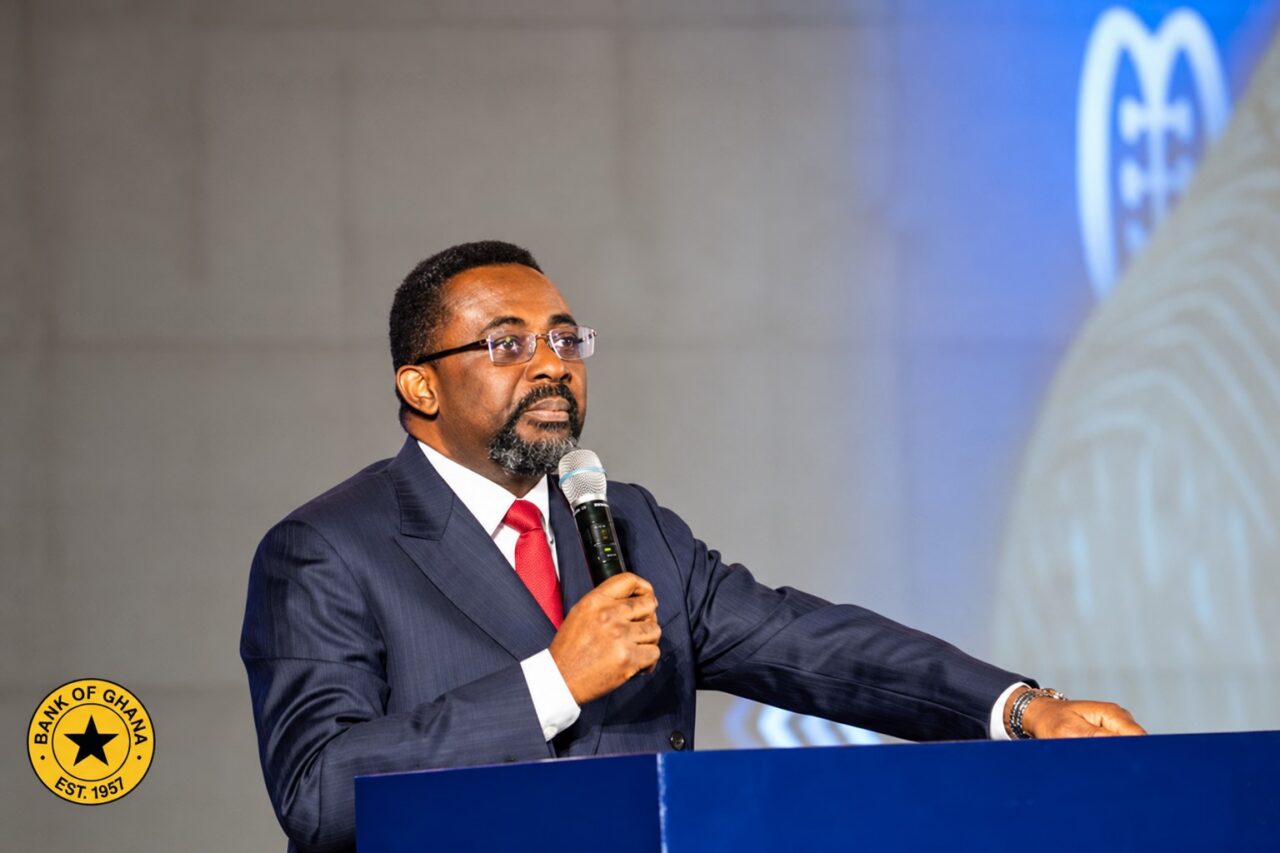
The Bank of Ghana (BoG) says consumer and business confidence remained positive in August 2026, reflecting improved sentiment about Ghana’s economic conditions and growth prospects.
The central bank said its latest confidence surveys showed continued optimism, supported by a relatively stable macroeconomic environment and expectations of stronger economic growth.
The findings were released as the Monetary Policy Committee (MPC) maintained Ghana’s Monetary Policy Rate at 14.0 percent following its September 23–24 meeting.
Economic Activity Records Strong Growth
The Bank of Ghana said the Composite Index of Economic Activity (CIEA) recorded annual growth of 14.9 percent in July 2026, significantly higher than the 6.1 percent recorded during the same month in 2025.
The CIEA tracks high-frequency indicators of economic activity, with the latest improvement supported by factors including credit to the private sector, international trade activity and consumption of goods and services.
The stronger economic activity comes amid an easing of financial conditions and continued expansion in credit to the private sector.
Inflation Rises Slightly in August
Despite the positive economic indicators, the Bank of Ghana noted that inflationary pressures increased slightly during August.
Headline inflation rose to 5.0 percent in August from 4.6 percent in July.
The increase was driven primarily by non-food inflation, which climbed to 6.8 percent from 6.1 percent. The central bank attributed the pressure partly to adjustments in utility tariffs and elevated crude oil prices.
Food inflation, however, moved in the opposite direction, declining marginally to 3.0 percent from 3.1 percent amid improved food supply conditions.
Despite the August increase, headline inflation remained below the lower bound of the Bank of Ghana’s medium-term target range of 8 percent ±2 percentage points.
BoG Keeps Policy Rate at 14 Percent
Against this backdrop, the MPC unanimously maintained the Monetary Policy Rate at 14.0 percent.
The decision followed the committee’s assessment of economic growth, inflation developments and risks facing the domestic and global economy.
The Bank has kept the policy rate at 14 percent since its March 2026 meeting. Its July decision also maintained the rate at the same level amid strong economic activity and emerging inflationary and external risks.
Business Conditions Continue to Improve
The positive confidence readings come as several indicators point to improving conditions for businesses and households.
Bank of Ghana Governor Dr. Johnson Asiama has previously said that greater exchange-rate stability, declining inflation and easing financial conditions were creating room for stronger credit growth.
The average lending rate stood at 15.9 percent at the end of August, according to Bank of Ghana data, down substantially from levels recorded earlier in the year.
The central bank’s latest assessment therefore points to an economy experiencing stronger activity and positive consumer and business sentiment, while policymakers continue to monitor renewed inflationary pressures and external risks.
Source: Omanghana