Benjamin Pinewood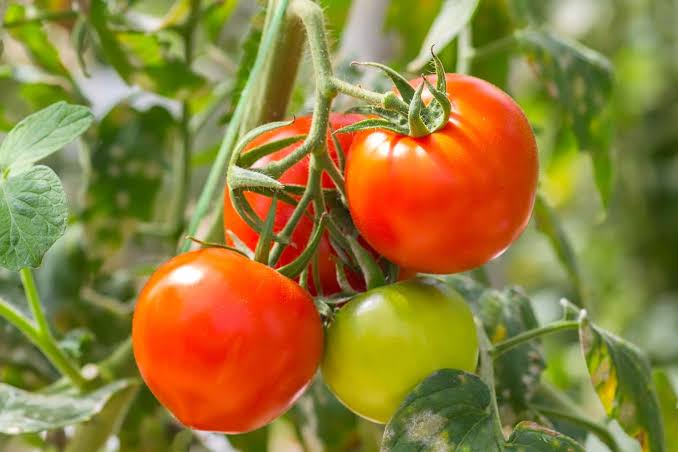
Fresh tomatoes recorded the biggest annual price increase among selected items in Ghana’s August 2026 Consumer Price Index, with prices rising by 158.3% compared with the same period last year, according to the Ghana Statistical Service (GSS).
The sharp increase came despite Ghana’s overall year-on-year inflation rate falling to 5.0% in August 2026, down from 11.5% a year earlier.
The latest GSS figures highlight the wide differences in price movements across individual goods and services. While overall inflation has eased significantly, some products have continued to record steep increases, putting pressure on consumers.
Following fresh tomatoes, ginger recorded the second-highest annual price increase at 128.3%.
Shrimps recorded a 67.1% increase, while mangoes rose by 57.7%.
Other items that recorded significant increases included parking space and other related services, which went up by 40.0%. Fresh coconut prices increased by 38.0%, charcoal by 35.6%, green pepper by 30.5%, cabbage by 29.8% and bananas by 29.5%.
The sharp increase in tomato prices contrasts with the performance of several other food items, which became cheaper over the same period.
Lime recorded the biggest decline, with prices falling by 33.7%, while maize prices dropped by 31.3%. Cocoyam leaves, commonly known as kontomire or alefu, also recorded a significant decline of 24.8%.
Prices of sweet apples fell by 23.5%, while fried fish declined by 23.2% and pawpaw by 22.5%.
Meanwhile, food inflation stood at 3.0% in August, slightly lower than the 3.1% recorded in July.
The GSS said the decline in prices of items such as lime and maize helped to ease some pressure on household food budgets. However, the sharp differences in price movements show that the decline in overall inflation does not necessarily mean that all goods have become cheaper for consumers.
For households, particularly those that rely heavily on fresh produce, the steep rise in prices of tomatoes, ginger and other food items continues to be felt despite the broader decline in inflation.
Source:Omanghana