Omanghana
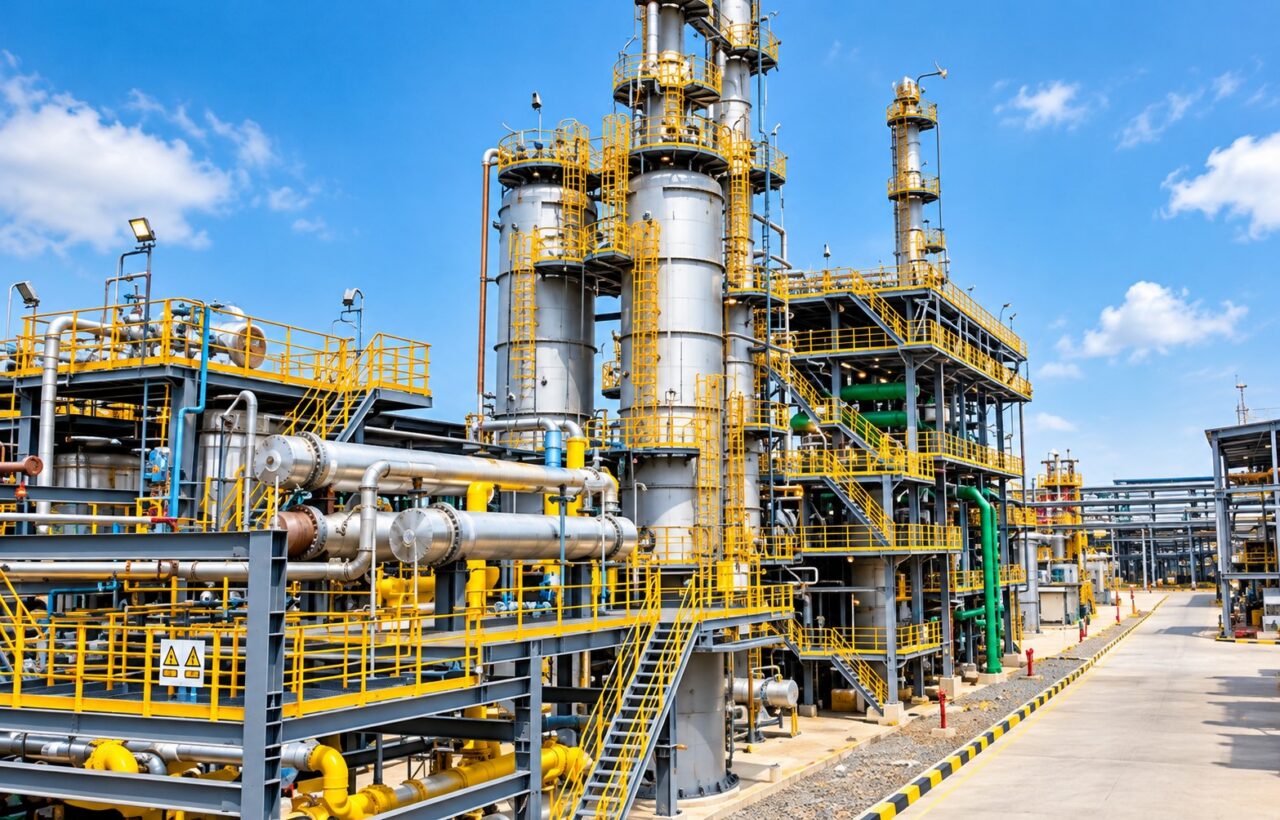
The Tema Oil Refinery (TOR) has briefed an International Monetary Fund delegation on its US$517 million debt burden and efforts to restore financial stability, rehabilitate infrastructure and attract investment.
The delegation, led by the IMF’s Resident Representative in Ghana, Dr Adrian Alter, toured the refinery to assess progress on management’s recovery programme.
Managing Director Edmond Kombat said the debt was inherited by the current administration when it took office in May 2025. Approximately US$120 million is owed directly to the government, while the balance involves obligations to trading partners, state institutions, utility providers and other creditors.
Management attributed part of the debt accumulation to the reclassification of previous Ministry of Finance grants as loans under IMF-related accounting requirements.
TOR is pursuing negotiations to restructure its government-related obligations and exploring arrangements to offset outstanding balances with other public institutions. The Ministry of Finance has also been preparing a proposed US$120 million debt write-off to ease pressure on the refinery’s balance sheet.
Alongside these financial measures, management said it had funded infrastructure rehabilitation entirely through internally generated funds since mid-2025, without allocations from central government.
The refinery has resumed crude oil processing at its Crude Distillation Unit following a six-year shutdown. According to management, approximately five million barrels have been processed, including two million barrels sourced from Ghanaian oilfields.
The resumption of operations is central to TOR’s efforts to generate revenue and demonstrate its commercial viability while addressing longstanding financial obligations.
Management also outlined plans for a possible listing on the Ghana Stock Exchange to raise capital from Ghanaian institutions and private investors.
The proposed listing forms part of a broader strategy to strengthen the refinery’s funding base and reduce its dependence on government support. Its recovery programme combines debt restructuring, operational improvements and new investment to place the business on a more sustainable footing.
Source: Omanghana