Omanghana
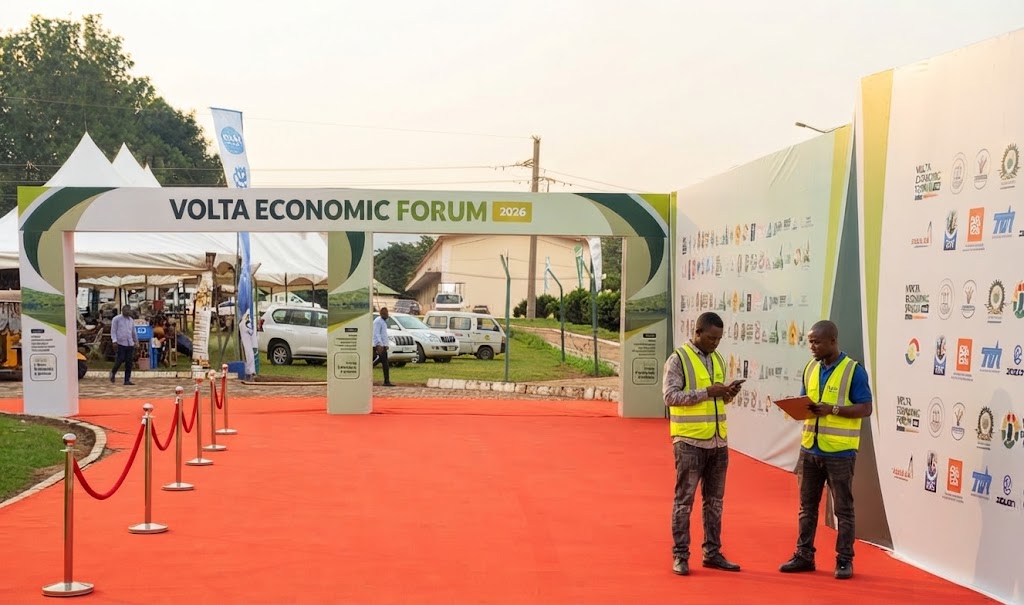
The second Volta Economic Forum was held in Ho on September 23, 2026, with a call for investors, public officials and traditional leaders to turn the region’s development proposals into funded projects and jobs.
Held as part of this year’s Asogli Te Za celebrations, the forum adopted the theme “From Opportunity Showcase to Investment Execution.” Lead convener Dr Elikplim Kwabla Apetorgbor said the focus was on moving beyond presentations of the Volta Region’s potential to securing investment that benefits local communities.
The proposed Volta Economic Corridor was among the initiatives discussed. Its ambitions include attracting more than $1 billion in investment and creating over one million jobs. Those figures are targets, rather than capital already committed or jobs already created. Organizers are seeking to build a pipeline of projects that investors can assess and finance.
Agriculture and agro-processing, tourism, energy, trade and infrastructure featured prominently in the discussions. Participants also pointed to opportunities linked to the Volta Lake and the region’s coastline. For such proposals to become businesses, speakers stressed the need for coordinated planning, financing and infrastructure.
Togbe Aoede XIV, Agbogbomefia of Asogli State, urged stakeholders to work together rather than pursue competing development initiatives. He identified the proposed Keta Harbor, improved railway connections, the Eastern Corridor Road and agricultural and energy projects as opportunities that could help transform the region if sustained investment is secured. He also recalled earlier regional development efforts that fell short, partly because of inadequate coordination.
Volta Regional Minister James Gunu said the government wanted to provide the stability and infrastructure needed to attract businesses. He cited work involving roads, water, education, healthcare, coastal protection and digital skills, and encouraged investors to commit resources to projects in the region.
The forum’s stated measure of success is whether discussions lead to operating enterprises, employment and improved livelihoods. Turning its proposals into results will require follow-through from investors, government agencies, traditional authorities and local businesses after the event.
Source: Omanghana