Omanghana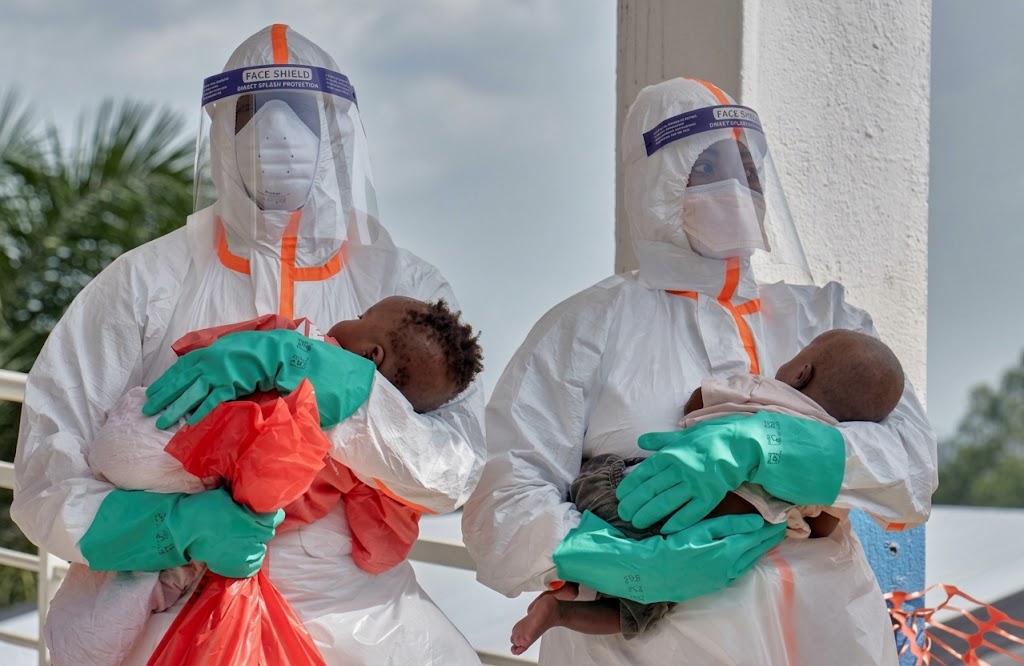
At least 10 students have died from Ebola in the Democratic Republic of the Congo’s eastern Ituri Province, prompting education authorities to call for stronger prevention measures in schools.
Officials in Bunia, the provincial capital, reported 25 confirmed infections among students attending several schools. Ten have died, while seven were receiving treatment at specialised Ebola centres. The deaths were reported just over a month after the new academic year began.
Provincial education officer Yvon Muke urged school administrators to reinforce prevention measures and ensure compliance with health instructions. He said the government and international partners were distributing disinfectants and protective materials to help safeguard students and staff.
The school-related cases form part of a wider outbreak caused by the Bundibugyo virus, which Congolese authorities declared in May. The World Health Organization has classified the emergency as a Public Health Emergency of International Concern, requiring coordinated international action.
By mid-October, the country had recorded more than 9,000 cases and over 4,000 deaths. Ituri remained the outbreak’s epicentre, with infections also reported in North Kivu, South Kivu, Haut-Uele, Bas-Uele, Tshopo and South-Ubangi.
On October 15, two health officials told Reuters that infections had been confirmed in North Ubangi, which borders the Central African Republic. That would make it the eighth affected province, although Congolese authorities had not formally announced the cases at the time of reporting.
Regional concerns increased further on October 16 when Kenya confirmed its third infection. The patient, a 65-year-old woman related to the first two cases, had been under quarantine since October 6 and was receiving supportive care after early diagnosis. Kenyan authorities said there was still no evidence of transmission in the wider community.
The Bundibugyo virus has no approved vaccine or specific approved treatment, complicating the response. Medical teams continue to rely on supportive care alongside measures to detect infections and interrupt transmission.
The epidemic is also disrupting essential healthcare. Health workers and aid agencies report that fear and misinformation are discouraging families from seeking maternity services and routine childhood vaccinations, adding to the outbreak’s impact on vulnerable communities.
Source: Omanghana