Omanghana
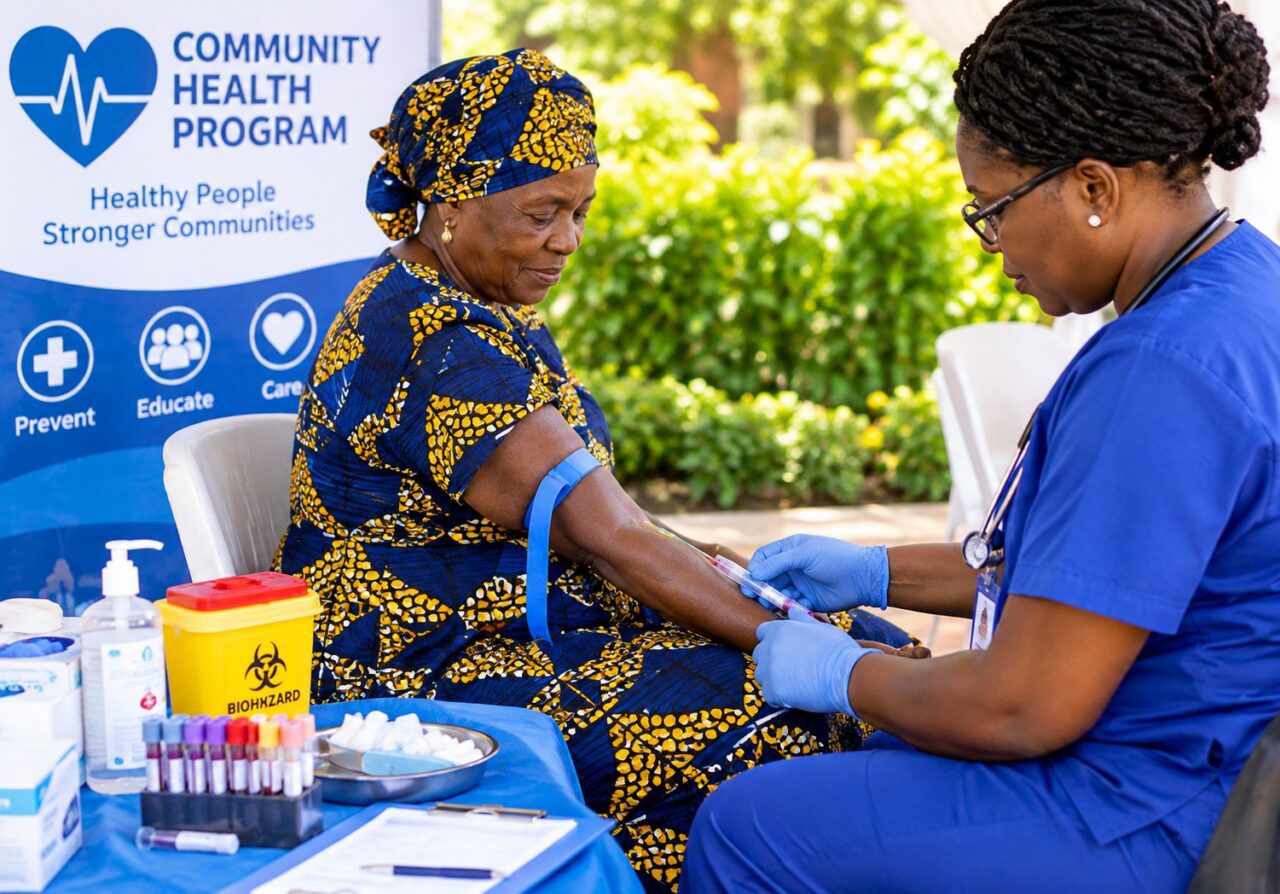
Bringing kidney screening into community clinics could help more people across Africa receive timely care, particularly in rural areas where access to conventional laboratories remains limited.
Point-of-care testing allows healthcare workers to conduct blood and urine checks close to where patients live, reducing the need for long journeys and lengthy waits for results. For communities facing high transport costs and limited diagnostic services, these tools could make routine kidney assessments more accessible.
Chronic kidney disease can develop without obvious symptoms in its early stages, making screening particularly important for people at increased risk. These include individuals living with diabetes, hypertension, HIV and sickle cell disease.
Diabetes and high blood pressure are major contributors to kidney damage. Incorporating screening into routine care for these conditions could help healthcare workers identify problems earlier and arrange appropriate treatment and monitoring.
People living with HIV may also require closer assessment because kidney problems can arise from the infection, associated illnesses or certain medicines. Genetic factors and exposure to potentially harmful substances, including some unregulated herbal preparations, can further influence risk.
Portable testing generally assesses two aspects of kidney health: the kidneys’ ability to filter waste and the presence of albumin, a protein that can leak into urine when the kidneys are damaged.
Finger-prick blood devices measure creatinine, which is used to estimate kidney filtration. Urine tests can assess albumin levels, including through the albumin-to-creatinine ratio. Together, these approaches provide a broader assessment than either test alone.
However, the convenience of portable devices must be balanced against their limitations. Some devices may produce results that differ from standard laboratory measurements, while estimates of kidney function can be affected by factors such as muscle mass and diet.
A normal screening result does not conclusively exclude kidney disease, and an abnormal result does not automatically establish a chronic diagnosis. Repeat testing and clinical assessment are essential to distinguish persistent kidney problems from temporary changes.
Expanding community testing will therefore require investment beyond purchasing equipment. Healthcare workers need training, supervision and clear procedures for interpreting results, arranging follow-up and referring patients for further care.
Community health workers could help extend screening into underserved areas, provided their responsibilities are supported by appropriate training and reliable clinical oversight.
Cost is another consideration. Alternative blood markers such as cystatin C may improve assessment in some circumstances, but expense and limited availability can restrict their use. Programs must also budget for consumables, equipment maintenance and quality assurance.
Ultimately, the value of point-of-care testing depends on what happens after a result is obtained. Linking community screening to affordable treatment, continued monitoring and specialist services will be essential if earlier detection is to translate into better kidney health across Africa.
Source: Omanghana