Omanghana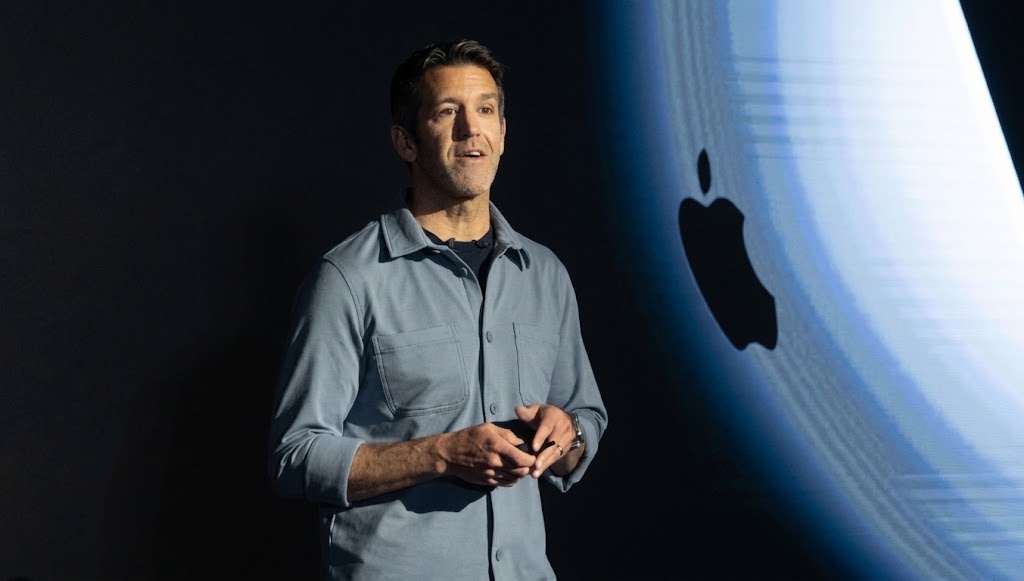
As Apple prepares for its major autumn product launch, attention is extending beyond the company’s latest iPhones and other devices to the executive responsible for shaping its hardware strategy.
John Ternus, Apple’s senior vice president of Hardware Engineering, has assumed an increasingly visible role during the company’s product presentations while taking on greater responsibilities at Apple Park.
The September launch is therefore being viewed as an important demonstration of Ternus’s long-term hardware vision and his position as a potential internal successor to Chief Executive Tim Cook.
Ternus took control of Apple’s hardware engineering division from Dan Riccio in 2021. Since then, he has overseen an engineering strategy built around close integration between industrial design, custom silicon and manufacturing.
A major element of that approach has been the alignment of Apple’s device designs with its proprietary processors. By prioritizing energy efficiency and thermal performance, the company has redesigned its Mac products, introduced slimmer iPad Pro models and optimized newer devices to support Apple Intelligence.
Apple has also made several products easier to service. Recent iPhone designs use internal structures that allow technicians to access and replace the front or rear glass independently, potentially reducing repair costs and improving product sustainability.
Under Ternus, Apple has largely favored steady design improvements over frequent dramatic changes. These refinements have included thinner display borders, reduced device weight, greater use of materials such as titanium and the introduction of features including the Action Button and Camera Control.
The forthcoming product cycle will place Apple’s ability to support on-device artificial intelligence under particular scrutiny.
The performance of Apple Intelligence depends partly on hardware factors such as thermal capacity, Neural Engine performance and available memory. Differences between standard and Pro devices could influence how effectively advanced generative AI features operate across Apple’s product range.
Industry observers are also watching Apple’s efforts to expand its device formats. Speculation has focused on the possibility of an ultra-thin iPhone design, while reports have linked the company to longer-term work involving foldable devices and home robotics.
Any expansion into new product categories would require Apple’s engineering teams to balance ambitious designs with durability, battery performance and reliable large-scale production.
Supply-chain diversification represents another major challenge. Apple has been moving parts of its manufacturing operations beyond mainland China, particularly to India and Vietnam.
Ternus’s hardware teams have consequently had to work with Apple’s operations leadership and manufacturing partners to adapt production equipment, testing systems and assembly procedures for different locations.
Ternus joined Apple’s product design team in 2001 and contributed to the development of products including the iPad and Apple Watch. Within the company, he is regarded as a steady technical executive and an effective product communicator.
With Apple confronting regulatory scrutiny, antitrust challenges and intense competition in artificial intelligence, its autumn product launch will provide another test of whether Ternus’s engineering-focused strategy can sustain the company’s position in the global consumer technology market.
Source: Omanghana