Omanghana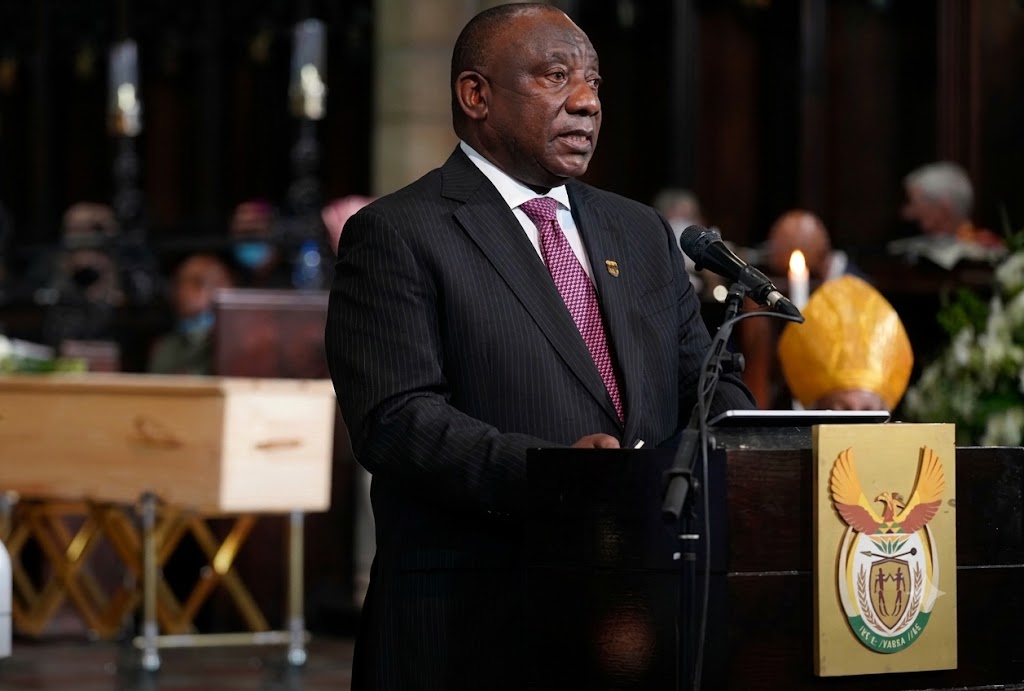
The Western Cape High Court has temporarily suspended parliamentary impeachment proceedings against South African President Cyril Ramaphosa over the Phala Phala farm scandal.
In a split 2-1 decision delivered on Friday, July 24, 2026, the court granted Ramaphosa an interim interdict preventing Parliament’s Section 89 committee from proceeding with public hearings and formal evidence gathering.
The order will remain in force while the court considers Ramaphosa’s separate application seeking to review and set aside the independent panel report on which the impeachment process is based.
That review application is scheduled to be heard from September 2 to 4, 2026. Parliament’s committee may continue conducting limited preparatory work, but it cannot hold public hearings or issue witness subpoenas while the interdict remains effective.
The controversy relates to the theft of approximately $580,000 in foreign currency from Ramaphosa’s Phala Phala game farm in Limpopo in 2020.
The money was reportedly hidden inside furniture at the property. The robbery became public in 2022 after former intelligence chief Arthur Fraser filed a criminal complaint accusing the president of concealing the incident.
Fraser alleged that Ramaphosa failed to report the theft properly and used members of his security team to investigate the robbery outside normal police procedures. Questions were also raised about foreign exchange regulations, taxation and the source of the cash.
Ramaphosa has consistently denied wrongdoing. He maintains that the money came from a legitimate sale of buffaloes to a foreign buyer and that he did not participate in an unlawful cover-up.
A Section 89 independent panel chaired by retired Chief Justice Sandile Ngcobo concluded in 2022 that there was prima facie evidence suggesting Ramaphosa might have a case to answer over possible constitutional and legal violations.
The National Assembly subsequently voted against referring the report to an impeachment committee, with the African National Congress using its parliamentary majority at the time to block the process.
However, the Constitutional Court ruled on May 8, 2026, that the 2022 vote was irrational, unconstitutional and invalid. It ordered the report to be referred directly to Parliament’s impeachment committee.
Ramaphosa then launched a legal challenge against the independent panel’s report, arguing that its process was flawed and that it failed to assess properly the legality and reliability of the evidence presented.
His lawyers sought the interim interdict on the grounds that allowing public impeachment hearings to proceed before the review was decided could cause irreversible damage to the president’s reputation and constitutional standing.
The Western Cape High Court accepted that formal proceedings should be paused for a limited period, although one member of the three-judge panel disagreed with the majority decision.
The Presidency welcomed the ruling and reaffirmed Ramaphosa’s commitment to accountability, judicial independence and the constitutional separation of powers.
“President Ramaphosa respects the ruling handed down today,” the Presidency said, adding that he would continue cooperating with all lawful accountability processes.
The ANC also supported the court’s decision, while opposition parties accused Ramaphosa of using litigation to delay political accountability.
The Democratic Alliance said the ruling did not prevent the impeachment committee from undertaking background and administrative preparations. The party called for the legal review to be resolved quickly to provide certainty and transparency.
Former President Jacob Zuma’s uMkhonto weSizwe party criticized the interdict, describing it as a temporary postponement of an unavoidable accountability process.
Even if the committee eventually recommends impeachment, removing Ramaphosa would require the support of at least two-thirds of the National Assembly.
Political analysts consider his removal unlikely unless a significant number of ANC members and coalition partners vote against him. Ramaphosa’s current presidential term is expected to continue until 2029.
Source: Omanghana