Omanghana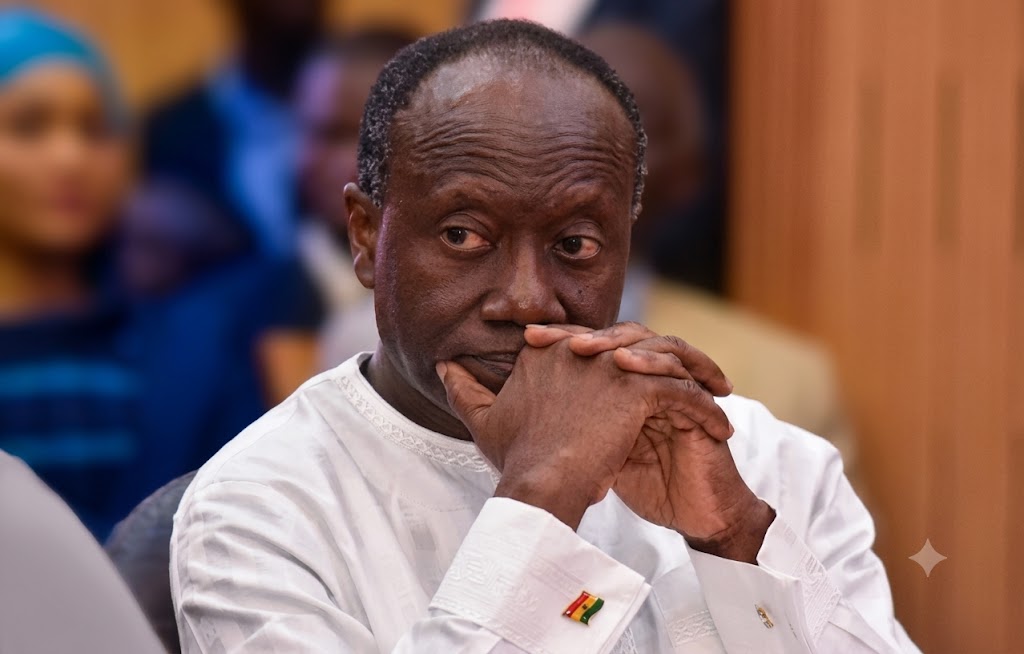
The COPEC executive secretary says unresolved questions surrounding public finances and major government contracts could undermine the New Patriotic Party’s credibility ahead of Ghana’s next general election.
Executive Secretary of the Chamber of Petroleum Consumers, Duncan Amoah, has called on former Finance Minister Ken Ofori-Atta to provide a comprehensive account of his stewardship under the previous New Patriotic Party government.
Speaking on The Big Issue, Amoah argued that unanswered questions concerning the management of public funds could have serious political consequences for the NPP as it prepares for the 2028 general election.
Ofori-Atta served as finance minister from 2017 until February 2024, overseeing Ghana’s public finances during most of former President Nana Addo Dankwa Akufo-Addo’s administration.
According to Amoah, examining decisions made during that period is essential not only for legal accountability but also for restoring public confidence in the country’s financial management system.
Unresolved Questions Could Hurt NPP in 2028
Amoah warned that the NPP could face a strong electoral backlash if it fails to address concerns surrounding budgets, expenditure decisions and major contracts approved while the party was in government.
He urged Ghanaians to revisit past national budgets and compare approved expenditure with the projects and services delivered. Such scrutiny, he said, could help identify inconsistencies and establish whether all public funds were used for their intended purposes.
Amoah maintained that the NPP’s chances of rebuilding public trust would depend partly on how it responds to demands for accountability involving senior officials from the former administration.
He suggested that ignoring those concerns could allow them to dominate political discussions in the run-up to the next election.
For the NPP, the matter could become particularly sensitive as the party attempts to reposition itself following its loss of power. Its opponents are likely to use unresolved financial controversies to question whether it has learned from its time in government.
A transparent accounting process, Amoah argued, could help clarify disputed transactions, trace funds where necessary and separate legitimate policy decisions from any potential wrongdoing.
Amoah Rejects Claims of Partisan Motivation
The COPEC executive secretary stressed that his demand was not driven by party politics or personal hostility toward the former finance minister.
He described accountability as a necessary feature of democratic governance, particularly when officials have exercised control over substantial public resources.
In his view, former officeholders should be prepared to explain the decisions they made, the contracts they approved and the outcomes of major government programs.
Amoah said the same standard should apply to politicians from every party. Accountability, he argued, should not be interpreted as political persecution simply because it involves a former minister or a leading member of the opposition.
The process must nevertheless be conducted fairly, transparently and in accordance with the law, with Ofori-Atta given the opportunity to respond to every allegation against him.
Ofori-Atta Faces Corruption-Related Proceedings
The renewed calls come as Ofori-Atta faces legal scrutiny from the Office of the Special Prosecutor over several matters connected to his time in office.
The investigations include issues linked to the Strategic Mobilization Ghana Limited revenue-assurance arrangement and expenditure associated with the National Cathedral project.
These cases have generated considerable public interest because of the amounts involved and the prominence of the former minister. Critics have demanded a full explanation of how the agreements were authorized, whether the state received value for money and whether procurement and financial-management rules were followed.
The existence of charges or investigations does not, however, amount to proof of guilt. Ofori-Atta is entitled to the presumption of innocence and the opportunity to challenge the state’s claims through the judicial process.
Extradition Efforts Face Legal Complications
Efforts to secure Ofori-Atta’s return from the United States have created additional legal and diplomatic complications.
Ghana’s Attorney General has been pursuing extradition proceedings to bring the former minister before the appropriate authorities. However, developments in the United States have reportedly created obstacles for the Ghanaian agencies seeking his return.
A United States court recently ruled against aspects of the filings presented by the OSP, while Ofori-Atta’s immigration status has also become a major issue in the proceedings.
Any extradition request would have to satisfy American legal requirements and the relevant agreement between Ghana and the United States. The authorities would be expected to show that the alleged conduct falls within extraditable offenses and that the request is supported by sufficient legal documentation.
Ofori-Atta’s legal representatives would also have the right to challenge the request and argue against his surrender.
Former Minister Urged to Return Voluntarily
Amoah has previously appealed to the NPP and Ofori-Atta’s relatives to encourage him to return voluntarily to Ghana and respond to the allegations.
He said appearing before the appropriate institutions would allow the former minister to present his defense and prevent the public from perceiving him as someone attempting to evade justice.
A voluntary return could also reduce the legal uncertainty surrounding extradition and shift the dispute into Ghana’s courts, where both the prosecution and defense could present their cases.
However, Ofori-Atta and his legal team may argue that any decision to return must take account of his health, personal circumstances and confidence in the fairness of the proceedings.
Accountability Debate Likely to Shape 2028 Campaign
The controversy is expected to remain an important political issue as Ghana moves closer to the 2028 elections.
The governing administration is likely to present its investigations as part of a broader campaign against corruption and financial mismanagement. The NPP, meanwhile, will have to determine how to defend the record of its former officials while demonstrating that it supports lawful accountability.
Amoah’s warning reflects the wider political risks surrounding unresolved public-finance disputes. Even without a final court judgment, prolonged uncertainty can damage the reputation of individual officials and the parties with which they are associated.
For the NPP, addressing the allegations openly could be crucial to rebuilding voter confidence. For state institutions, the challenge will be to pursue accountability without creating the impression that the legal process is being used as an instrument of political retaliation.
Ultimately, the Ofori-Atta case could become a major test of Ghana’s ability to investigate former officials, protect their legal rights and provide the public with clear answers about the management of state resources.
Source: Omanghana