Omanghana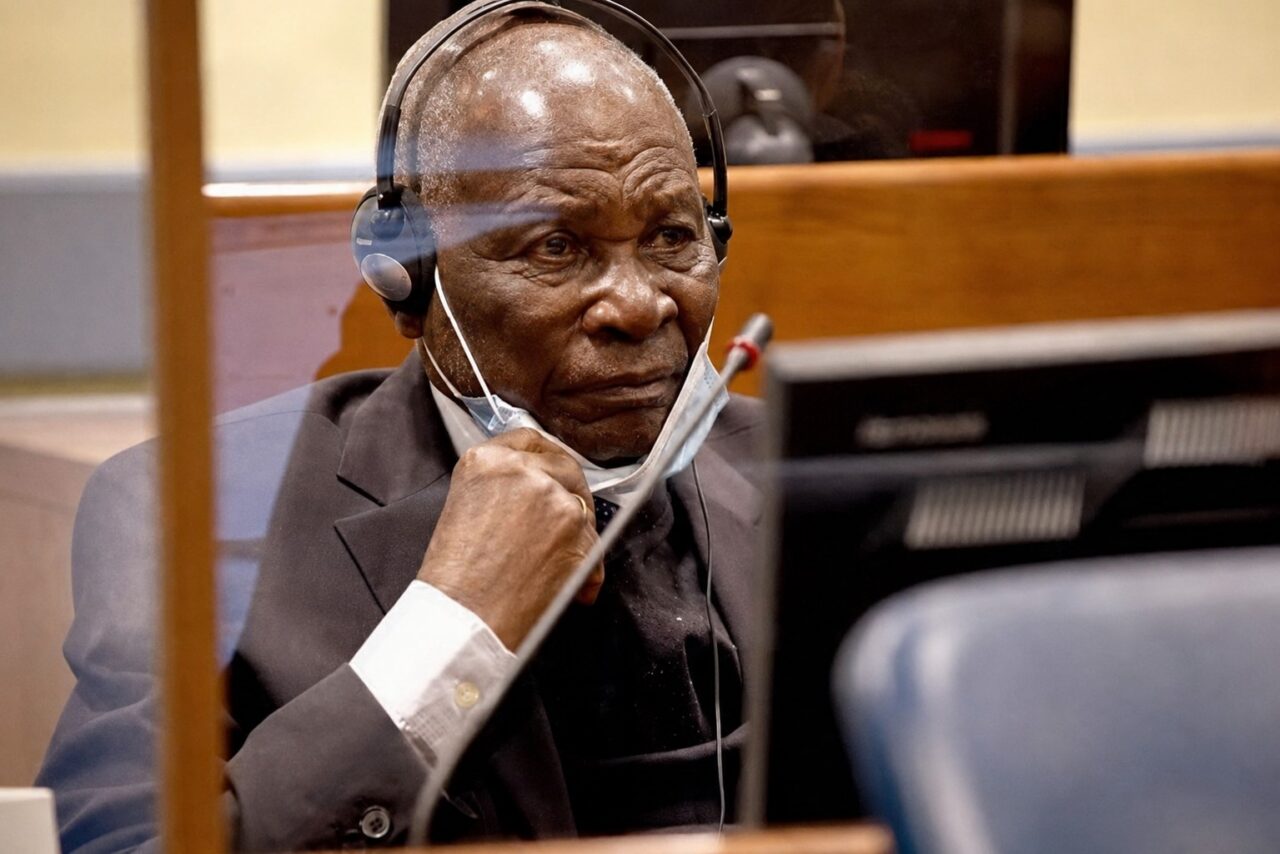
A court in the Netherlands has sentenced a 66-year-old Rwandan-born Dutch citizen to life imprisonment after finding him guilty of genocide and war crimes committed during the 1994 genocide against the Tutsi in Rwanda.
The defendant, identified by media as Eugene N. in accordance with Dutch privacy rules, was convicted over his involvement in attacks against Tutsi communities and a massacre at a football stadium in southern Rwanda.
The District Court of The Hague ruled on Friday, August 28, 2026, that his conduct demonstrated an extreme disregard for human dignity and life. It concluded that only a life sentence could adequately reflect the severity of the crimes and the suffering inflicted on victims and their families.
Role in Stadium Massacre
The most serious charges concerned events at a football stadium in Byiza, within the former municipality of Mbazi.
Between 5,000 and 7,000 Tutsis from surrounding communities reportedly sought refuge at the stadium, believing it would provide protection from escalating attacks. On April 25, 1994, Hutu extremists and military personnel launched a deadly assault against those sheltering inside.
The court found that Eugene N., who held a local administrative position at the time, instructed those guarding the stadium not to allow any Tutsi to escape.
Victims were shot, attacked with stones and targeted with hand grenades. The judges determined that Eugene N. personally threw one of the grenades into the crowd. Survivors of the initial assault were subsequently killed with clubs and machetes.
Thousands died in the attack, while more than 4,000 bodies were later recovered from mass graves in the surrounding area, according to the District Court of The Hague.
Attacks on Tutsi Communities
The court also convicted the defendant for participating in earlier raids against two predominantly Tutsi communities.
During those attacks, homes were entered, property was looted and buildings were set on fire. Stolen items reportedly included clothing, food, livestock and household belongings.
Eugene N. served at the time as a responsible, a local administrator overseeing a community of approximately 1,000 residents. The judges found that he accompanied other local officials regarded as leaders of the attacking group and watched from the roadside as homes were invaded and burned.
The court said his position gave him influence within the community and that he must have understood the effect his actions would have on others.
Although he was cleared of a separate allegation that he explicitly incited others to commit genocide during the raids, the court convicted him on the principal charges of genocide and war crimes.
Dutch Authorities Opened Investigation
Eugene N. fled Rwanda in 1998 and later settled in the Netherlands, where he obtained Dutch citizenship.
Rwandan authorities issued an international arrest warrant for him in 2014. Because his Dutch citizenship prevented his extradition under the applicable legal framework, prosecutors in the Netherlands opened their own criminal investigation in 2020. He was arrested in 2024.
The case was handled by the District Court of The Hague, the only Dutch district court designated to hear cases involving international crimes.
The investigation lasted several years and involved interviews with more than 30 witnesses, nearly all of whom were questioned in Rwanda. Nine victims and relatives travelled to the Netherlands to attend the seven-day trial.
Defendant Denies Involvement
During the proceedings, Eugene N. rejected the allegations and maintained that he had attempted to avoid the violence. He also described himself as a victim who had lost several relatives during the genocide.
His lawyers sought an acquittal on all charges, arguing that the evidence did not establish his participation in the killings. Following the judgment, the defense indicated that it would likely appeal.
The Hague court nevertheless concluded that the crimes were committed with genocidal intent because victims were deliberately selected for destruction based on their Tutsi identity.
“The conduct of the defendant establishes a significant lack of respect for human dignity and for human life,” the judges stated, adding that only life imprisonment could do justice to the immense suffering caused.
The 1994 Rwandan genocide claimed the lives of more than 800,000 people, mainly members of the Tutsi minority as well as moderate Hutus, during approximately 100 days of organized mass killing.
Source: Omanghana