Omanghana
Ghana has signed landmark cocoa offtake agreements with buyers in the United Arab Emirates (UAE) and Saudi Arabia in a major step toward expanding its presence in the global value-added cocoa market.
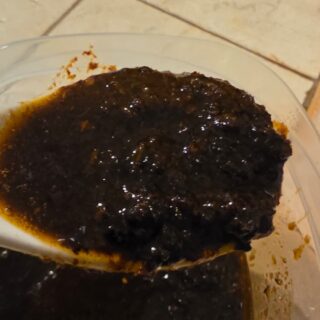
The agreements, finalized by the Cocoa Marketing Company (CMC) Ghana, are designed to strengthen trade ties with the rapidly growing Middle Eastern confectionery and food manufacturing industries. Rather than relying primarily on exports of raw cocoa beans, the new partnerships will focus on supplying semi-finished cocoa products, including cocoa liquor, cocoa butter, cocoa cake, and cocoa powder.
The move comes as the global cocoa market is expected to grow significantly, with industry projections estimating its value will increase from $16.6 billion in 2025 to $26.2 billion by 2035.
Driving Domestic Value Addition
For decades, Ghana—one of the world’s leading cocoa producers—has exported most of its cocoa in raw form, allowing overseas manufacturers to capture much of the value generated through processing.
The new agreements support the government’s ambition to process at least 50 percent of the country’s cocoa production locally beginning with the 2026/27 crop season.
Instead of investing heavily in new processing facilities, the strategy focuses on maximizing the capacity of Ghana’s existing processing plants, many of which have remained underutilized. By securing long-term international buyers, the country aims to increase production of higher-value cocoa products while creating additional jobs and retaining more export earnings within the local economy.
The strategy has already shown encouraging results. Ghana’s exports of semi-finished cocoa products generated approximately $1.8 billion in 2025, representing a 90 percent increase compared to the previous year and highlighting growing international demand for processed cocoa products.
Expanding into High-Growth Gulf Markets
The agreements also align with the economic diversification and food manufacturing ambitions of both the UAE and Saudi Arabia.
In the United Arab Emirates, the partnership is expected to benefit from the recently launched Cacao Centre at the Dubai Multi Commodities Centre (DMCC), which is positioning Dubai as a regional hub for cocoa trading, processing, financing, and logistics. The initiative seeks to strengthen trade links between West African cocoa producers and fast-growing consumer markets across Asia and the Middle East.
Saudi Arabia, meanwhile, presents a significant opportunity for Ghana’s value-added cocoa exports. Although the Kingdom imports very little raw cocoa, demand for processed cocoa ingredients has risen sharply. Imports of cocoa preparations and related products reached an estimated $701.4 million in 2024, reflecting the rapid expansion of its domestic food manufacturing industry.
The country’s industrial chocolate and confectionery ingredients market is projected to grow from approximately $530 million in 2025 to nearly $995 million by 2035. Securing reliable supplies of semi-finished cocoa products supports Saudi Arabia’s Vision 2030 strategy to strengthen local manufacturing and enhance long-term food security.
Positioning for the Premium Chocolate Market
Beyond supplying industrial manufacturers, Ghana is also seeking to capitalize on the rapidly expanding premium chocolate segment.
Global consumer demand for artisanal, single-origin, ethically sourced, and health-focused chocolate products continues to rise, creating new opportunities for producers capable of supplying high-quality processed cocoa ingredients. Industry forecasts suggest the premium chocolate market alone could reach $40.6 billion by 2030.
By strengthening partnerships with buyers in the Gulf region and expanding exports of value-added cocoa products, Ghana is positioning itself to capture a larger share of the global cocoa value chain. The strategy is expected to boost export revenues, improve returns for the cocoa sector, and reinforce the country’s long-term objective of transforming from a supplier of raw commodities into a leading processor and exporter of high-value cocoa products.
Source: Omanghana