Omanghana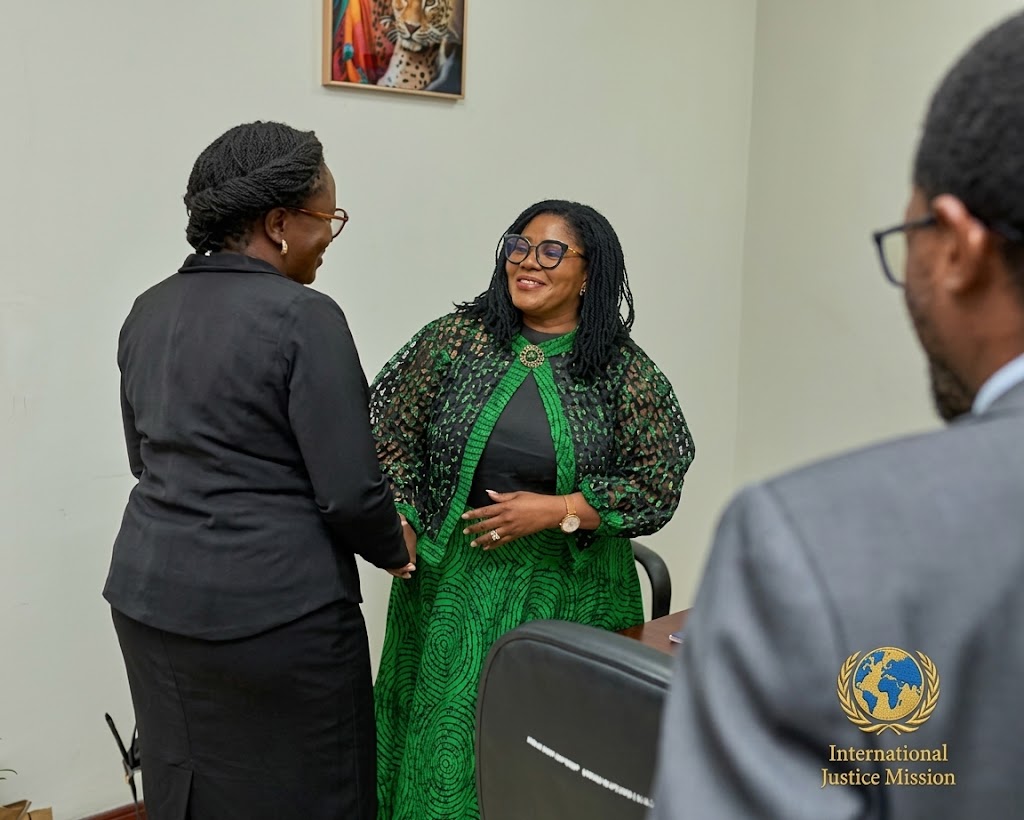
Ghana has been upgraded to Tier 1 in the United States Department of State’s 2026 Trafficking in Persons Report, following improvements in prosecutions, victim identification and measures to combat exploitation.
The ranking, the highest in the annual assessment, means Ghana’s government fully meets the minimum standards established under the US Trafficking Victims Protection Act. It does not mean human trafficking has been eliminated, and the report identifies continuing weaknesses in victim protection and recruitment practices.
Authorities investigated 222 trafficking cases in 2025, including 83 involving sex trafficking, 132 involving forced labor and seven involving unspecified forms of exploitation. Prosecutions increased to 212 alleged traffickers, compared with 65 in 2024, while convictions rose from 25 to 28.
Victim identification also increased substantially. The report recorded 2,331 victims in 2025, up from 794 the previous year. They included 862 Ghanaians and 1,469 foreign nationals, of whom 896 were Nigerians.
Cooperation with INTERPOL and foreign governments helped identify and repatriate 756 foreign trafficking victims. Separately, Ghana identified 567 Ghanaian victims abroad and financed their voluntary return.
The assessment recognised stronger action against fraudulent recruitment and online scam operations associated with forced labor. It also highlighted public awareness campaigns and anti-trafficking training for frontline officials.
International Justice Mission Ghana welcomed the upgrade, describing it as the result of sustained cooperation among government institutions and organizations working to prevent trafficking and protect survivors.
However, the organization urged authorities to build on the progress through increased investment in victim services and stronger measures against child trafficking.
Significant protection gaps remain. Shelter capacity was inadequate, particularly for adult men, while a facility for adult female survivors was not operational during the reporting period. The report also noted that Ghana had not prohibited recruitment agencies from charging fees directly to workers.
Children continued to face risks of forced labor in fishing, cocoa farming, mining, domestic service and street hawking, underscoring the need for continued enforcement and support for vulnerable communities.
Source: Omanghana