Omanghana
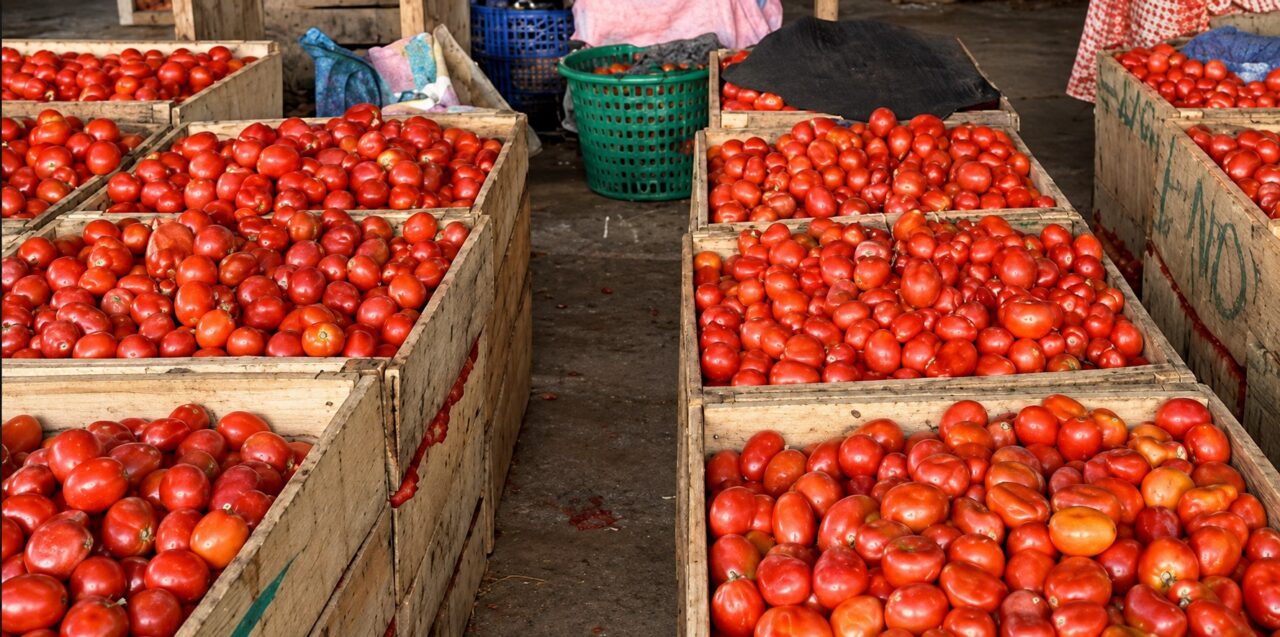
The Ghana Institute of Horticulturists (GhIH) has called on the government to formally involve horticultural professionals in efforts to tackle persistent problems affecting tomato production and marketing in the country.
Speaking at the Institute’s 26th Annual General Meeting, GhIH President Dr. Mohammed Mujitaba Dawuda identified high perishability, supply gluts and inadequate production inputs as critical challenges requiring attention.
He stressed that addressing these structural weaknesses is essential to resolving the difficulties confronting the sector. The Institute’s appeal places professional expertise at the center of efforts to improve how tomatoes are produced, handled and brought to market.
Tomato production presents challenges that extend beyond increasing harvests. Because the crop deteriorates quickly, delays between harvesting and sale can reduce its quality and commercial value. Farmers therefore need reliable access to markets alongside the resources required to produce the crop.
Supply gluts can compound these difficulties. When large quantities of tomatoes reach the market within a short period, producers face pressure to sell before their harvests spoil. This can weaken their bargaining position and make it harder to earn enough to cover production costs.
Input shortages create another obstacle, limiting farmers’ ability to plan and sustain production. Taken together, these problems highlight the connection between conditions on farms and the effectiveness of the wider marketing system.
Formal engagement with horticultural professionals could provide technical support for examining these interconnected challenges, from crop management and harvest planning to post-harvest handling. Such expertise could also help shape responses that reflect the practical needs of producers and traders.
The Institute’s call underscores the need for a coordinated approach to the tomato sector. Improving production alone may have limited benefits if farmers continue to face losses after harvesting or struggle to find buyers during periods of abundant supply.
Dr. Dawuda’s remarks draw attention to the importance of addressing production constraints and marketing weaknesses together, with horticultural expertise contributing to efforts to build a more reliable and sustainable tomato industry.
Source: Omanghana