Omanghana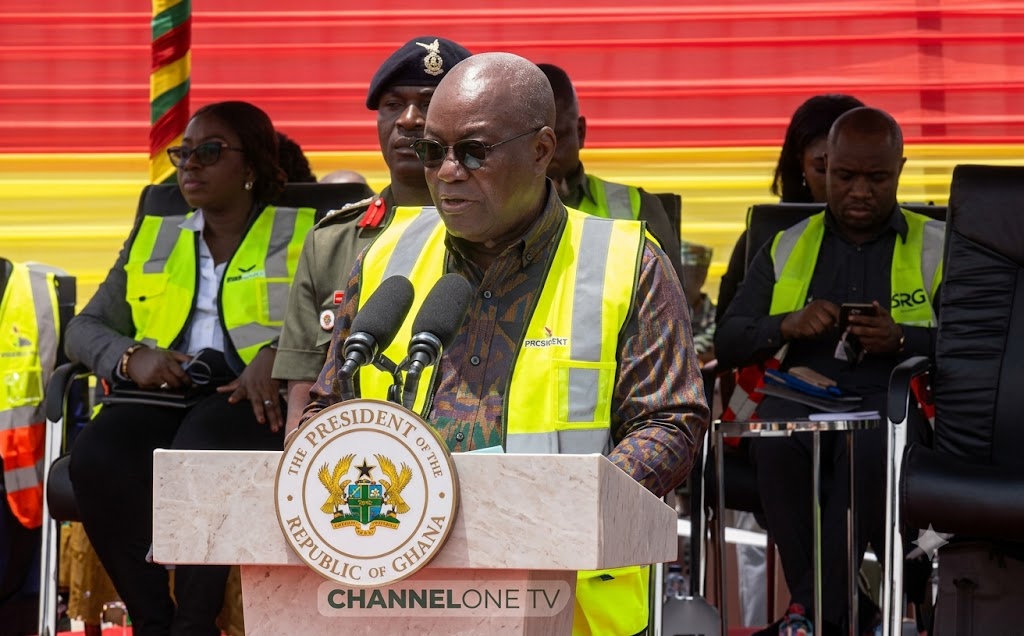
Former President John Mahama has described the torrential rains that triggered widespread flooding across Accra as among the heaviest the city has experienced in several years, as Ghana’s capital continues to grapple with severe disruption, infrastructure failure, and loss of life.
Speaking amid the unfolding disaster, Mahama said the scale of the flooding reflects a combination of intensifying climate-related weather patterns and long-standing structural challenges, including uncontrolled urban expansion, blocked drainage systems, and inadequate waste management practices.
Record Rainfall Overwhelms City Systems
Meteorological data indicate that approximately 140 millimetres of rain fell within a 24-hour period, a volume nearly three times higher than typical seasonal rainfall levels in Accra.
The intense downpour rapidly overwhelmed the city’s drainage infrastructure, causing widespread surface flooding and bringing transportation and commercial activity to a standstill in several parts of the capital.
One of the most affected systems was the Odaw drainage channel, which authorities say is heavily obstructed by plastic waste, sediment buildup, and domestic refuse, severely limiting its ability to carry stormwater away from densely populated areas.
Urban Encroachment Worsens Flood Impact
Mahama highlighted the impact of unregulated construction along waterways and flood-prone zones, noting that many natural drainage routes have been obstructed by buildings erected directly on watercourses.
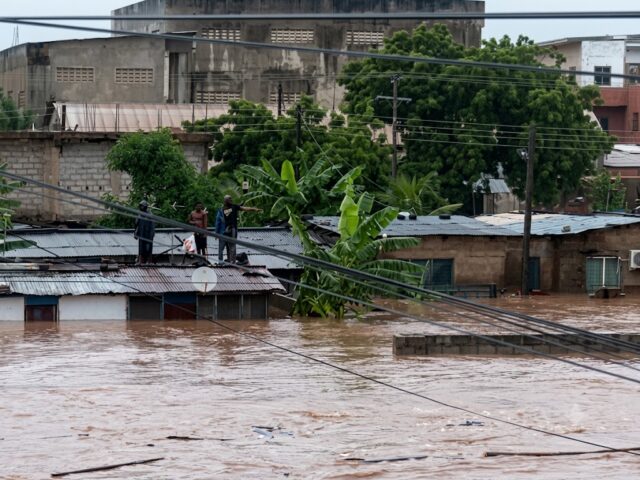
Experts say such encroachment has significantly reduced the city’s natural ability to absorb and redirect heavy rainfall, intensifying flood severity during extreme weather events.
Combined with blocked drains and rising urban density, these structural weaknesses have left large parts of Accra highly vulnerable to seasonal storms.
Three Confirmed Fatalities
Emergency response authorities have confirmed at least three deaths linked to the flooding.
Two individuals were electrocuted inside their home after floodwaters came into contact with exposed electrical wiring, while a third victim, a man in the Alajo district, drowned after being swept away by rising waters.
Officials have urged residents to avoid contact with floodwater due to the risk of live electrical currents and contamination.
Major Areas Submerged
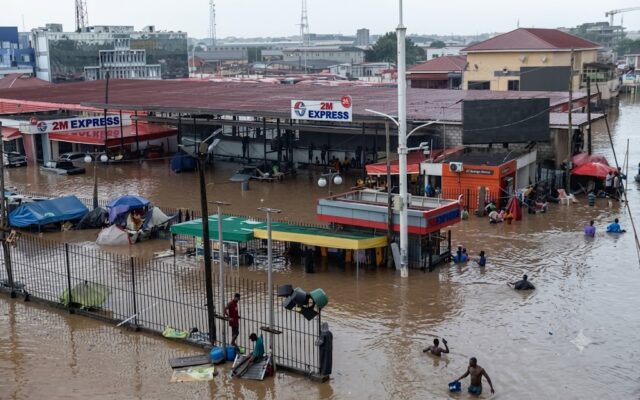
Several key residential and commercial districts remain heavily inundated, including Weija, Kaneshie Market, Adabraka, and Ofankor.
In these areas, floodwaters have submerged roads, disrupted transport routes, and forced businesses to shut down. Many commuters were stranded after vehicles stalled in waist-deep water on major roads and highways.
Power Shutoffs to Prevent Electrocution
To reduce the risk of further fatalities, the Electricity Company of Ghana (ECG) and GRIDCo have temporarily shut down electrical substations in severely affected zones.
The precautionary measure is aimed at preventing additional electrocution incidents as floodwaters continue to rise in parts of the capital.
Authorities Continue Emergency Response
Emergency services remain on high alert as rescue and recovery operations continue across affected communities. Authorities are monitoring water levels and working to restore essential services where conditions allow.
Officials have also renewed warnings for residents in flood-prone areas to remain indoors, avoid walking or driving through submerged roads, and follow all safety directives issued by emergency agencies.
As Accra battles the aftermath of the storm, attention is increasingly turning to long-term solutions aimed at improving drainage infrastructure and reducing the city’s vulnerability to extreme weather events intensified by climate change.
Source: Omanghana