Omanghana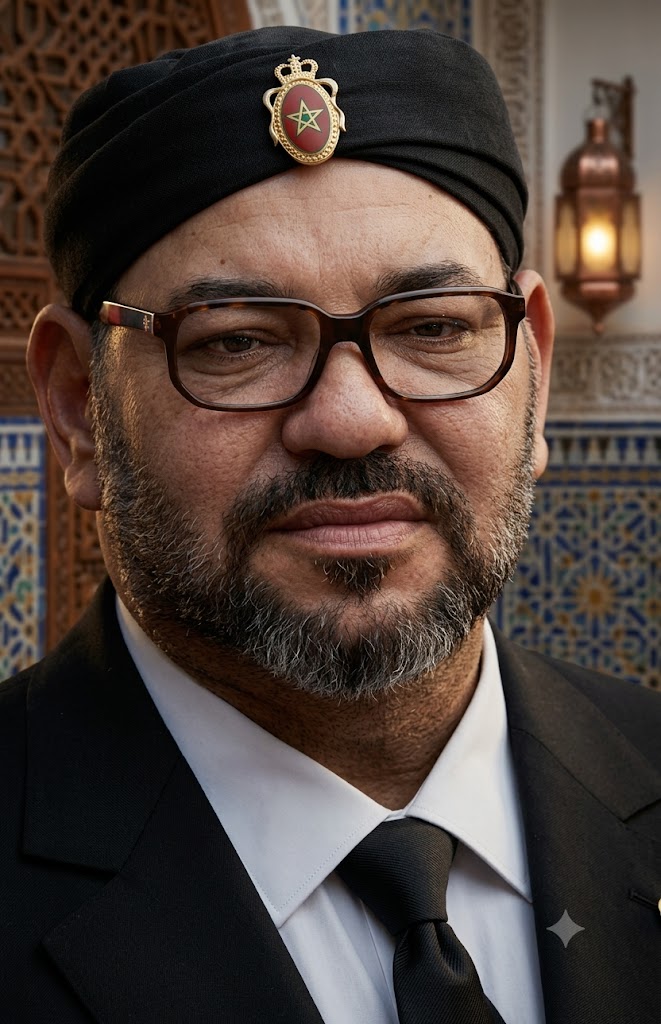
King Mohammed VI of Morocco has ordered the handover of the Mohammed VI Vocational Training Complex in Bamako to the Malian authorities as part of efforts to strengthen skills development and cooperation between the two countries.
The facility was constructed by the Mohammed VI Foundation for Sustainable Development and covers approximately 5,200 square metres. It is designed to provide young Malians with practical and theoretical training linked to employment opportunities in construction, public works, tourism and hospitality.
Once fully operational, the complex is expected to train nearly 1,000 students annually across 21 vocational programmes tailored to the needs of Mali’s labour market.
Training focused on key economic sectors
Twelve of the programmes will concentrate on construction and public works, including skills required for building projects and infrastructure development.
The remaining nine programmes will cover tourism, hospitality, catering and restaurant services. Students will combine classroom education with practical instruction intended to prepare them for direct entry into employment or self-employment.
The centre is expected to support Mali’s efforts to address youth unemployment and the shortage of trained workers in sectors considered important to the country’s economic and social development.
Mali’s Minister of National Entrepreneurship, Employment and Vocational Training, Oumou Sall Seck, welcomed the transfer and conveyed the appreciation of transitional President General Assimi Goïta to the Moroccan monarch.
She described the project as a significant demonstration of the historic friendship and solidarity between Mali and Morocco. According to her, the complex responds to a strategic need to develop skills and strengthen the country’s human capital.
Morocco promotes South-South cooperation
Moroccan Foreign Affairs Minister Nasser Bourita said the project reflected King Mohammed VI’s commitment to supporting young people in Mali and across Africa.
He explained that the initiative forms part of Morocco’s South-South cooperation policy, which focuses on sharing technical knowledge, strengthening local capacity and promoting sustainable development among African countries.
The approach seeks to establish partnerships based on practical training and institutional cooperation rather than relying exclusively on traditional development assistance.
Morocco has supported similar vocational facilities in Côte d’Ivoire, Guinea and Gabon. These include training centres specialising in construction, hospitality, tourism, transport and logistics.
The country also leads the African Alliance for the Development of Vocational Training, which brings together more than 20 African nations to promote the exchange of expertise, instructor development and training programmes aligned with local employment needs.
Handover coincides with high-level talks
The transfer took place during a visit to Bamako by Bourita, who co-chaired the fourth session of the Morocco-Mali Joint Cooperation Commission with Mali’s Foreign Affairs Minister, Abdoulaye Diop.
The commission serves as a platform for both countries to review their relationship and pursue cooperation in areas including education, trade, investment, healthcare, energy and infrastructure.
The Bamako meetings also included discussions involving private businesses and government officials, reflecting efforts to expand commercial relations alongside political and development cooperation.
Moroccan companies already operate in several African markets, particularly in banking, telecommunications, construction, mining, insurance and fertiliser production. Mali, meanwhile, is one of Africa’s leading gold producers, with the precious metal accounting for a substantial share of its export earnings.
Although the vocational complex is focused on construction and service-sector training rather than mining, it strengthens Morocco’s institutional presence in Mali and could create opportunities for wider economic collaboration.
Focus on youth employment and economic resilience
Mali has a young and rapidly growing population, but limited access to technical education remains a barrier to employment for many young people.
Vocational training can help close the gap between formal education and the practical abilities demanded by employers. It can also support entrepreneurship by equipping graduates with skills they can use to establish small businesses in construction, catering, hospitality and related services.
The Mohammed VI Vocational Training Complex is expected to contribute to that objective by preparing students for sectors with the potential to generate employment and support broader economic activity.
Neither Moroccan nor Malian authorities disclosed the cost of constructing the facility. Details about its opening date, admissions process and management structure are expected to be announced as preparations for full operations continue.
The handover represents another step in the expanding partnership between Rabat and Bamako, with both governments presenting vocational education as an important foundation for long-term development and regional cooperation.
Source: Omanghana