Omanghana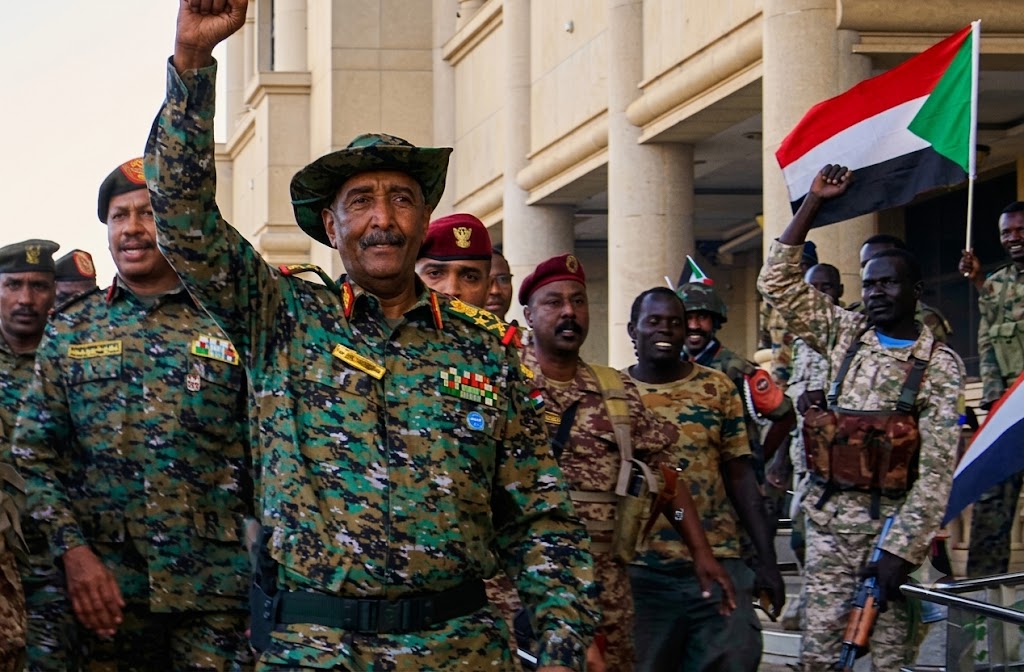
The Sudanese Armed Forces have regained control of the strategic Al Sadarat highway following two days of intense fighting with the paramilitary Rapid Support Forces, marking one of the army’s most significant battlefield advances in recent months.
The 350-to-400-kilometre route directly connects the national capital, Khartoum, with el-Obeid, the capital of North Kordofan State. Its recapture could strengthen the army’s ability to move soldiers, weapons, fuel and heavy equipment into the contested Kordofan region.
Military-aligned sources said SAF units pushed RSF fighters westward and cleared positions along the highway. The route, however, remains closed to civilian traffic as troops continue clearance and security operations.
Independent verification of all battlefield claims remains difficult because of restricted access, disrupted communications and the continuing conflict.
Army Pushes Back RSF Around El-Obeid
The RSF had reportedly spent months deploying fighters around el-Obeid in an apparent attempt to isolate the city ahead of a broader assault.
El-Obeid has remained one of the most important army-held centers in western Sudan. Capturing it would give the RSF greater access to central parts of the country while strengthening links between its forces operating in Kordofan and Darfur.
The army’s offensive along the Al Sadarat highway is reported to have disrupted the RSF’s encirclement strategy and forced paramilitary units away from the eastern approaches to the city.
Reopening a direct route from Khartoum could also allow the SAF to reinforce el-Obeid more rapidly and reduce the danger of the city becoming cut off.
Key Communities Reportedly Recaptured
Military-aligned forces said they regained several towns and settlements along or near the strategic corridor, including Bara, Jabra al-Sheikh and Umm Sayala.
Control of these locations is important because they serve as access points for the movement of troops, commercial goods and civilian supplies across North Kordofan.
Bara is particularly significant because of its proximity to el-Obeid and its position along routes connecting the region with Khartoum and other parts of Sudan.
Securing the surrounding settlements could make it more difficult for the RSF to stage ambushes, establish checkpoints or launch attacks against army supply convoys.
Despite the reported advances, the security situation remains unstable, and control of settlements in Sudan’s conflict has frequently shifted following counteroffensives.
SAF Reports Heavy RSF Equipment Losses
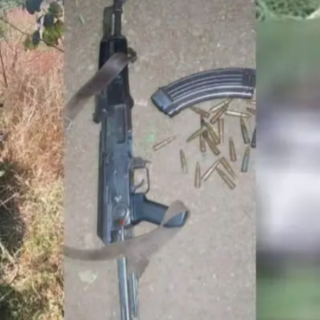
Pro-government forces claimed that 62 RSF combat vehicles were destroyed during the two-day operation and another 54 were captured.
If confirmed, the loss of more than 100 vehicles would represent a considerable setback for the RSF’s mobility in the area. The paramilitary force relies heavily on armed pickup trucks and other fast-moving vehicles to transport fighters and conduct attacks across difficult terrain.
The SAF did not immediately provide independently verifiable evidence covering all the reported losses. The RSF had also not provided a detailed public response to the claims included in the initial reports.
Both sides have regularly issued competing accounts of battlefield developments throughout Sudan’s war, making independent confirmation essential.
Highway Restores Direct Military Supply Route
The Al Sadarat highway is a vital logistical corridor for the Sudanese army.
Before the reported recapture, SAF forces attempting to supply el-Obeid were forced to use a longer route through White Nile State. The detour consumed more fuel, increased travel time and exposed convoys to additional security risks.
Direct access to the highway could enable the army to move reinforcements and supplies from Khartoum to North Kordofan more efficiently.
It could also support further SAF operations west of el-Obeid, although any advance toward RSF-controlled territory would likely face strong resistance.
The army is expected to establish defensive positions and secure nearby communities before reopening the route more broadly.
El-Obeid Is a Crucial Geographic Crossroads
El-Obeid’s importance extends beyond its role as the capital of North Kordofan.
The city sits at the intersection of major transport routes running from north to south and east to west. The north-south axis connects Kordofan with Khartoum, while the east-west routes link the RSF’s strongholds in Darfur with central Sudan.
Whoever controls el-Obeid and its surrounding roads can influence the movement of fighters, weapons and commercial supplies between large sections of the country.
The army’s control of the Al Sadarat corridor could weaken the RSF’s ability to move freely between Darfur and positions farther east. It may also provide the SAF with a platform for disrupting paramilitary supply networks across Kordofan.
The breakthrough does not, however, signal the end of fighting in the region. RSF forces remain active across significant areas of Kordofan and could attempt to launch counterattacks or disrupt the highway.
Potential Humanitarian Lifeline
Beyond its military value, the highway could become an important route for delivering humanitarian assistance to civilians affected by the fighting.
Hundreds of thousands of people across Kordofan face shortages of food, medicine, fuel and other essential supplies. Fighting, checkpoints and damaged roads have made it extremely difficult for aid organizations to reach isolated communities.
If the corridor is fully secured and opened to humanitarian traffic, relief agencies could gain a shorter route for moving assistance from central Sudan toward el-Obeid and surrounding areas.
Any humanitarian use would require security guarantees, the removal of explosive hazards and assurances that aid convoys would not be attacked, diverted or subjected to interference.
The immediate military closure means civilians and aid organizations cannot yet benefit from the reported change in control.
Trade Could Eventually Resume
The Al Sadarat route was also an important commercial link before the war.
Traders used the corridor to transport livestock, crops and other agricultural products between Kordofan, Khartoum and regional markets. Its closure disrupted livelihoods and contributed to shortages and rising prices.
A sustained reopening could eventually help revive trade and reduce transportation costs. It could also improve access to markets for farmers and livestock producers whose businesses have been devastated by the conflict.
That economic benefit will depend on whether the army can maintain security along the entire route and prevent renewed fighting.
The recapture of the highway represents a potentially important tactical shift in the battle for Kordofan. However, with civilian movement still prohibited and clearing operations continuing, the broader humanitarian and commercial benefits remain uncertain.
Source: Omanghana