Omanghana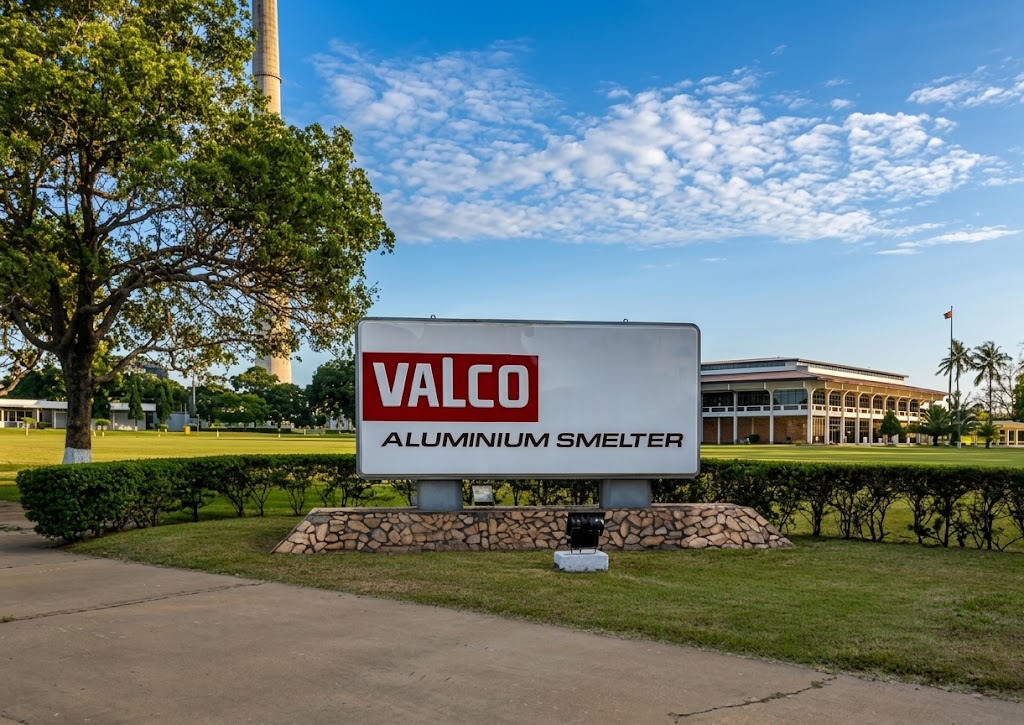
The Volta Aluminum Company Limited (VALCO) has begun operating a continuous casting and rolling line at its Tema smelter, marking an important step in Ghana’s transition from exporting primary aluminum to manufacturing higher-value industrial products.
The facility produces Electrical Conductor-grade aluminum rods an essential intermediate material used in electrical cables and overhead power conductors. Its introduction supports the Ghana Integrated Aluminum Development Corporation’s broader plan to create a fully integrated aluminum industry covering bauxite mining, alumina refining, smelting and downstream manufacturing.
Replacing Imported Aluminum Rods
Until now, Ghanaian cable manufacturers largely depended on imported aluminum rods, requiring significant foreign exchange and exposing production to shipping delays and international price fluctuations.
VALCO’s new line offers manufacturers a domestic source of these materials, potentially reducing import costs, shortening delivery times and limiting the amount of working capital tied up in overseas orders.
Industrial samples have been supplied to local cable manufacturers, including Nexans Kablemetal and Reroy Cables, to assess their suitability for commercial production. The initiative positions VALCO to supply materials that cable producers previously had to import.
European Market Testing Begins
VALCO is also exploring opportunities beyond the domestic market. In June 2026, the company shipped approximately 25 metric tones of H11 Electrical Conductor-grade rods to Europe for industrial testing and certification.
The shipment should be viewed as a market-validation exercise rather than a confirmed commercial export program. Successful certification could, however, open opportunities for Ghanaian aluminum products in international manufacturing supply chains.
Moving Beyond Primary Aluminum
Historically, VALCO’s production has concentrated on primary aluminum ingots and sows. Converting molten aluminum directly into conductor-grade rods allows the company to capture more value locally.
| Area | Previous Position | Potential Impact of New Line |
|---|---|---|
| Value addition | Primary aluminum sold with limited local processing | Higher-value industrial inputs manufactured in Ghana |
| Cable production | Heavy dependence on imported rods | Faster access to locally produced materials |
| Foreign exchange | Currency required for rod imports | Potential reduction in import expenditure |
| Export opportunities | Primarily primary aluminum products | Prospects for certified conductor-grade rods |
| Industrial development | Limited downstream integration | Stronger links to electrical, construction and manufacturing industries |
The new capacity could eventually support other downstream applications in sectors such as power transmission, construction, automotive components and packaging.
Domestic Alumina Refinery Remains the Missing Link
Despite progress downstream, VALCO continues to rely on imported alumina the refined material processed in a smelter to produce aluminum. This creates long delivery times, additional freight costs and substantial working-capital requirements.
Ghana is estimated to possess more than 700 million metric tones of bauxite deposits, according to VALCO, but the country still lacks the domestic refinery capacity needed to convert that bauxite into smelter-grade alumina.
Establishing a local alumina refinery would connect Ghana’s mineral resources directly to VALCO’s smelting and rolling operations. It could reduce inbound shipping expenses, improve supply security and retain more of the aluminum industry’s economic value within the country.
A Building Block for GIADEC’s Masterplan
The rolling line represents one component of GIADEC’s ambition to develop an integrated national aluminum industry. Achieving that vision will require coordinated investment in mines, refining facilities, smelter modernization, energy supply and downstream manufacturing.
The government is also seeking strategic investment to support VALCO’s long-term revival and sustainability. In August 2026, the Ministry of Lands and Natural Resources established a committee to assess prospective investors’ technical and financial capacity, according to the ministry’s official announcement.
If VALCO’s rods pass industrial certification and gain sustained orders, the project could become an important demonstration of how Ghana can turn its mineral resources into higher-value manufactured products rather than relying primarily on raw or minimally processed exports.
Source: Omanghana