Omanghana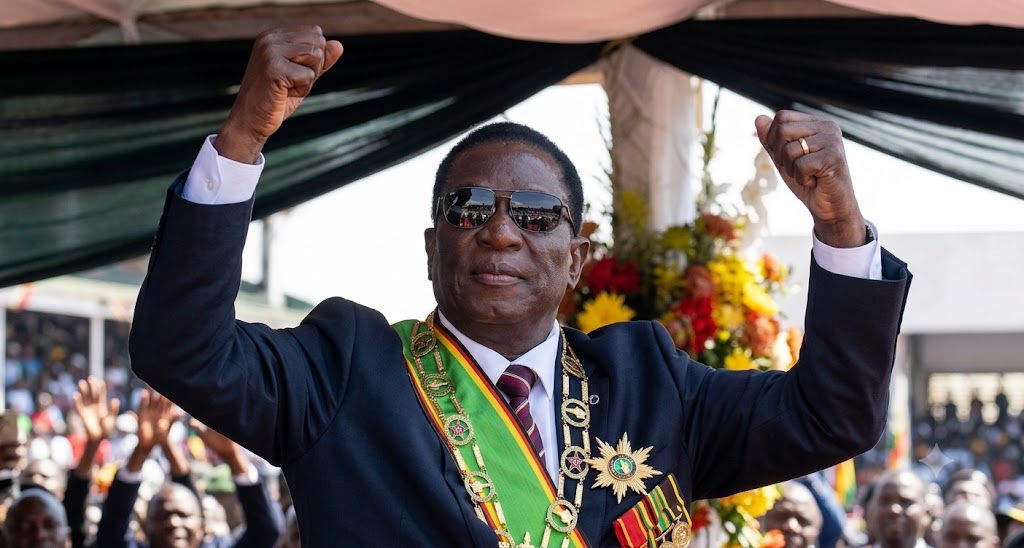
Zimbabwean President Emmerson Mnangagwa has signed into law a constitutional amendment that extends his presidency by two years, moving the next general election from 2028 to 2030.
The enactment was confirmed on July 7, 2026, by government spokesperson Nick Mangwana, who announced on social media that the legislation had been “signed, sealed and delivered.”
The constitutional changes introduce sweeping reforms to Zimbabwe’s political and electoral system, including longer terms for elected officials, changes to the method of electing future presidents, and an expansion of the Senate.
Presidential and Parliamentary Terms Extended
One of the most significant provisions of the amendment is the extension of presidential and parliamentary terms from five years to seven years.
The change means President Mnangagwa, 83, will remain in office until 2030, extending his current tenure beyond the original electoral timetable.
Supporters of the amendment argue that longer terms will provide greater political continuity and allow governments more time to implement long-term development policies.
Major Changes to Presidential Elections
The legislation also introduces a fundamental change to Zimbabwe’s electoral system by ending the direct election of presidents by citizens.
Under the new framework, future presidents will be elected by members of Parliament rather than through a nationwide popular vote.
The move represents one of the most far-reaching constitutional reforms since Zimbabwe adopted its current Constitution.
Senate Expanded
The amendment also increases the size of Zimbabwe’s Senate from 80 to 90 members.
The expansion includes additional appointments to the upper chamber, further reshaping the composition of Parliament under the revised constitutional framework.
Government officials say the reforms are intended to strengthen governance structures and improve institutional stability.
Ruling Party Secured Parliamentary Approval
The constitutional amendment was introduced by the governing Zimbabwe African National Union–Patriotic Front (ZANU-PF) after months of internal consultations and public campaigning by party supporters.
Following Cabinet approval earlier this year, the bill secured the required two-thirds majority in both houses of Parliament, where ZANU-PF holds a commanding majority.
The strong parliamentary support enabled the legislation to proceed to presidential assent.
Critics Raise Concerns Over Democratic Process
The constitutional changes have drawn criticism from opposition parties, civil society organizations, and constitutional law advocates.
One of the main concerns raised by critics is that the reforms were enacted without being submitted to a national referendum.
Opposition groups argue that amendments affecting presidential elections and the length of elected terms should have been decided through direct public participation.
Critics have also expressed concern that replacing direct presidential elections with parliamentary selection could reduce citizens’ direct role in choosing the country’s head of state.
Debate Over Political Succession
Political analysts say the reforms could also reshape Zimbabwe’s future leadership dynamics.
By transferring the selection of future presidents to Parliament, the amendment may alter how leadership transitions are managed within the ruling party and the broader political system.
Observers note that the new framework is likely to influence succession debates ahead of future leadership contests.
Government Defends the Reforms
The Zimbabwean government has defended the constitutional amendment, saying the changes are intended to promote political stability, policy continuity, and a more predictable governance environment.
Officials argue that longer terms in office will allow governments to implement long-term economic and development strategies while providing greater certainty for investors and development partners.
Constitutional Changes Spark National Debate
The enactment of the amendment has intensified political debate across Zimbabwe, with supporters viewing it as a measure to strengthen governance and opponents expressing concerns about its implications for democratic participation and constitutional accountability.
As the country moves toward the revised electoral timetable, the constitutional reforms are expected to remain a central issue in Zimbabwe’s political landscape in the years leading up to the next scheduled elections in 2030.
Source: Omanghana