Omanghana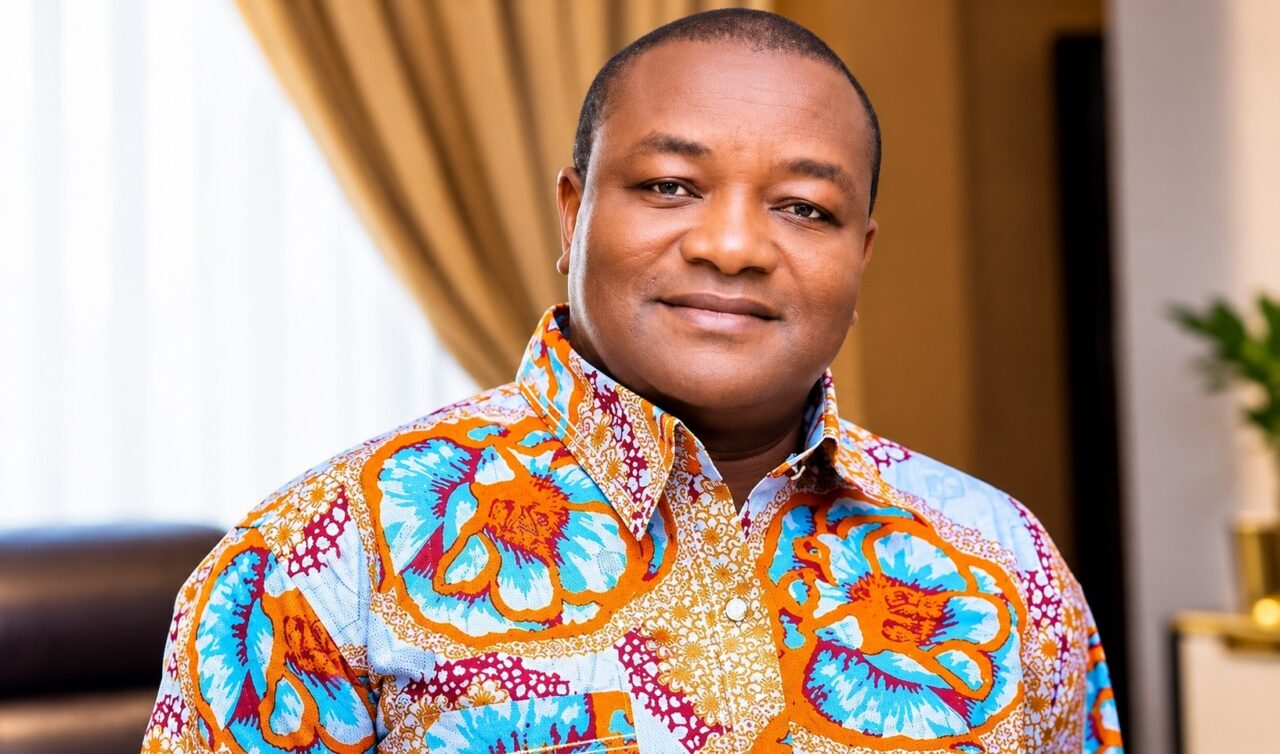
All People’s Congress founder and leader Hassan Ayariga has challenged the government’s handling of Ghana’s proposed BRICS partnership, demanding parliamentary scrutiny and public consultation before the country makes binding commitments.
In a statement issued on October 17, 2026, Ayariga questioned whether Cabinet should approve a foreign policy initiative with potentially far-reaching economic and diplomatic consequences without broader national engagement.
He argued that decisions of such significance should not rest solely with President John Dramani Mahama and his ministers, stressing that Ghanaians deserve a voice in determining the country’s international commitments.
Citing Article 75 of the Constitution, Ayariga maintained that treaties, agreements and international conventions executed by the President require parliamentary ratification. He called on the government to formally present its BRICS proposals to Parliament for detailed consideration and open debate.
The APC leader also demanded disclosure of any potential financial obligations, regulatory adjustments and diplomatic implications associated with the proposed partnership. Public consultations, he said, would help establish whether the initiative reflects the interests and aspirations of citizens.
His intervention follows Foreign Affairs Minister Samuel Okudzeto Ablakwa’s announcement that Cabinet had authorised Ghana to apply for partnership status within the BRICS+ network.
President Mahama outlined the government’s case for the initiative during a diplomatic commissioning ceremony at Jubilee House on October 16, 2026. He presented the proposed partnership as an opportunity to expand Ghana’s trade and investment options while strengthening cooperation with emerging economies.
The government’s stated objectives include attracting investment, supporting industrialization and increasing domestic processing of natural resources rather than relying primarily on raw material exports.
Mahama also indicated that closer engagement with BRICS would complement Ghana’s existing international relationships, including its ties with Western partners.
Ayariga said his concerns did not amount to opposition to a more diversified foreign policy. His objection, he maintained, centered on the decision-making process and the need for democratic accountability.
He urged the administration to subject the proposal to parliamentary debate and public engagement before proceeding with commitments that could shape Ghana’s economic and diplomatic direction.
Source: Omanghana