Omanghana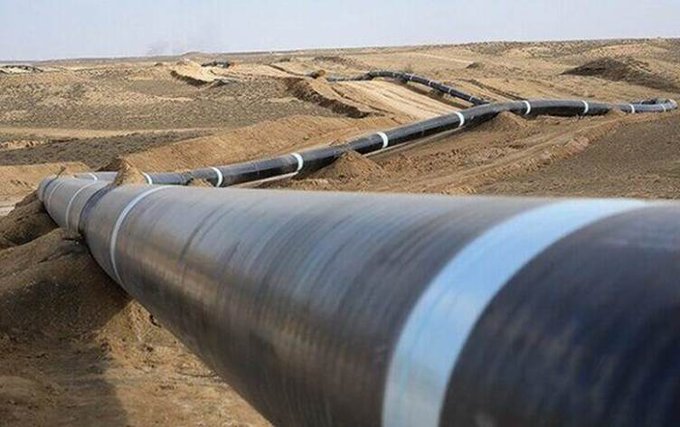
Iraq is preparing to resume direct crude oil exports from the northern oil hub of Kirkuk to the Mediterranean port of Ceyhan through a rehabilitated section of the Kirkuk–Ceyhan Oil Pipeline. The announcement was made on Monday, March 16, 2026, by Iraqi Oil Minister Hayyan Abdul-Ghani.
According to the minister, the resumption of exports could begin within about a week once final hydrostatic testing is completed on a critical 100-kilometer section of the pipeline. The testing phase is expected to confirm the safety and operational readiness of the route before crude begins flowing again.
The restored export route is designed to initially transport between 200,000 and 250,000 barrels of oil per day. The pipeline will provide Baghdad with an alternative export channel that bypasses infrastructure controlled by the Kurdistan Regional Government.
This development represents a significant strategic shift for Iraq’s oil sector. For years, oil shipments from the Kurdish region and parts of northern Iraq have been entangled in legal and budget disputes between the federal government in Baghdad and the Kurdish authorities. By using an independent route, the central government aims to regain greater control over exports from northern oil fields.
The urgency behind the project has intensified due to disruptions in global energy transport routes. The closure of the Strait of Hormuz amid escalating regional conflict has severely affected Iraq’s southern export infrastructure, which normally handles the bulk of the country’s crude shipments.
As a result of these disruptions, Iraq’s national oil production has reportedly fallen sharply—from about 4.4 million barrels per day to roughly 1.5 million barrels per day—placing significant pressure on government revenues and energy markets.
Officials say restoring exports through the northern pipeline to Turkey could help stabilize output and partially offset the loss of southern export capacity while broader geopolitical tensions continue to affect the region’s energy supply chains.
Source: Omanghana