Omanghana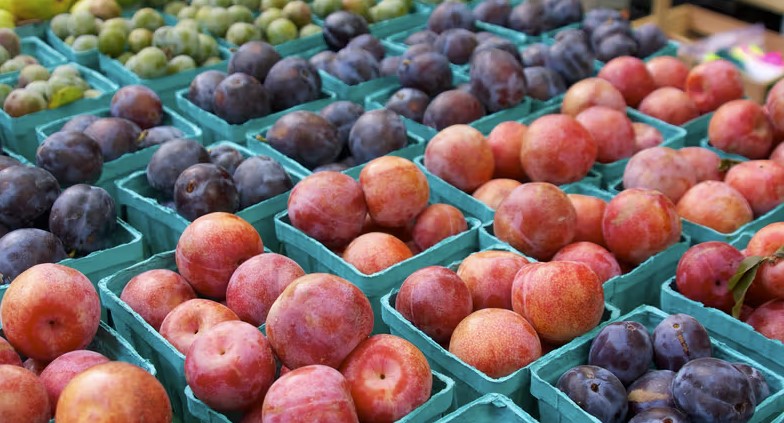
South Africa has officially launched its first large-scale shipment of stone fruit to China, marking a breakthrough in agricultural trade and opening the door to one of the world’s most lucrative food import markets. China imports an estimated $200 billion worth of agricultural products annually, making the development a strategic milestone for South African exporters.
The inaugural shipment signals South Africa’s formal entry into China’s premium stone fruit segment and positions local growers for long-term growth in Asia.
Inaugural Shipment Details
The first consignment comprised approximately 20,000 cartons of premium plums, showcasing two leading South African varieties—African Delight and Ruby Star. The shipment was prepared and dispatched from the Freshness First Packhouse in Franschhoek, located in the Western Cape, a region renowned for high-quality fruit production.
The final inspection and departure were conducted under official supervision, underscoring the importance of the moment. South Africa’s Minister of Agriculture, John Steenhuisen, and China’s Ambassador to South Africa, Wu Peng, were both present to witness the historic shipment.
Nectarine Trial Paved the Way
The plum export follows a successful trial earlier in the year. On February 12, 2026, a smaller air shipment of South African nectarines arrived in Shanghai. That delivery was designed to test logistics, shelf performance, and consumer response in one of China’s most competitive fresh produce markets. Feedback from the trial played a key role in clearing the path for the larger plum consignment.
Tariff-Free Access Strengthens Competitiveness
This shipment is made possible by a newly implemented bilateral phytosanitary and trade protocol granting South African stone fruit 0% tariff access to the Chinese market. The duty-free status is expected to significantly enhance the competitiveness of South African exporters, particularly against established suppliers such as Chile and Australia.
Industry analysts say the removal of import tariffs provides South African farmers with a critical pricing advantage, especially in premium urban markets where quality and origin play a major role in purchasing decisions.
Ambitious Market Share Targets
Despite the scale of the breakthrough, South Africa’s footprint in China remains small. The country currently accounts for just 0.4% of China’s total agricultural imports. Officials have set ambitious targets to expand that share, aiming to double the value of stone fruit exports to China—currently estimated at R400 million (about $21 million)—within the next four years.
Strategic Pivot Amid Global Trade Volatility
The move toward Asia also reflects a broader diversification strategy. By expanding exports eastward, South Africa aims to reduce exposure to global trade disruptions, including the recent 30% tariffs imposed by the United States on certain South African goods. China’s vast and growing middle class presents an opportunity to stabilize demand and protect farmers from sudden policy shifts in traditional markets.
More Fruit Categories on the Way
The plum shipment represents only the first phase of a wider horticultural expansion. The South African government is in the final stages of negotiating similar export protocols for cherries and blueberries, with shipments expected to commence later in 2026.
Once completed, these agreements are expected to further deepen agricultural ties between South Africa and China, unlocking new revenue streams and reinforcing the country’s position as a competitive global fruit exporter.
Source: Omanghana