Omanghana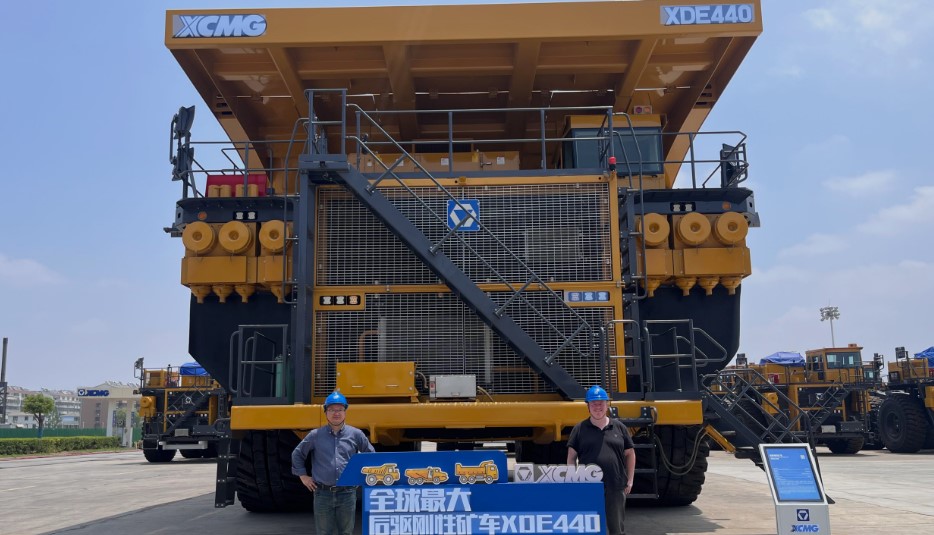
China’s mining and construction machinery sector is experiencing a major export boom, with shipments reaching record highs in early 2026 as global demand for infrastructure development and strategic minerals accelerates.
Official data shows that construction machinery exports rose by 34.5% year-over-year in the first quarter of 2026, surpassing $12.3 billion in total value. The momentum was already evident earlier in the year, with exports hitting approximately $10.7 billion within the first two months alone, signaling sustained international demand.
At the regional level, Shandong Province has emerged as a key export hub, recording $2 billion in machinery exports during the first quarter—an 18% increase compared to the same period last year.
The surge is being driven in part by a global mining boom, fueled by rising prices of key commodities such as gold, silver, and copper. This has led to increased demand for heavy-duty equipment, including high-horsepower bulldozers, large-scale excavators, and rigid mining trucks—segments where Chinese manufacturers are rapidly gaining ground.
At the same time, the industry is benefiting from the global push toward cleaner energy solutions. Leading companies like XCMG are capitalizing on the “green transition,” securing large international orders for electric and zero-carbon mining equipment.
Emerging markets continue to play a central role in this growth. Strong demand from Southeast Asia, the Middle East, and Africa—often linked to infrastructure projects under China’s Belt and Road Initiative—has provided a steady pipeline of export opportunities.
Several major Chinese firms are reporting significant international expansion. Zoomlion says overseas markets now account for nearly 60% of its total revenue, with mining machinery sales abroad more than tripling in 2025. Meanwhile, SANY recorded a 55.29% jump in revenue from Africa in 2025, reflecting deepening engagement across emerging economies. Shantui has also set an ambitious target of 10.5 billion yuan in overseas sales for 2026.
Industry leaders note that the sector is evolving beyond simple product exports toward a more advanced “Localization 2.0” strategy. This approach includes building over 430 global service outlets and expanding overseas manufacturing bases, enabling companies to provide full-service, localized solutions to international clients.
Analysts say the shift is likely to further strengthen China’s competitive position in the global heavy machinery market as demand for infrastructure and natural resources continues to rise.
Source: Omanghana