Omanghana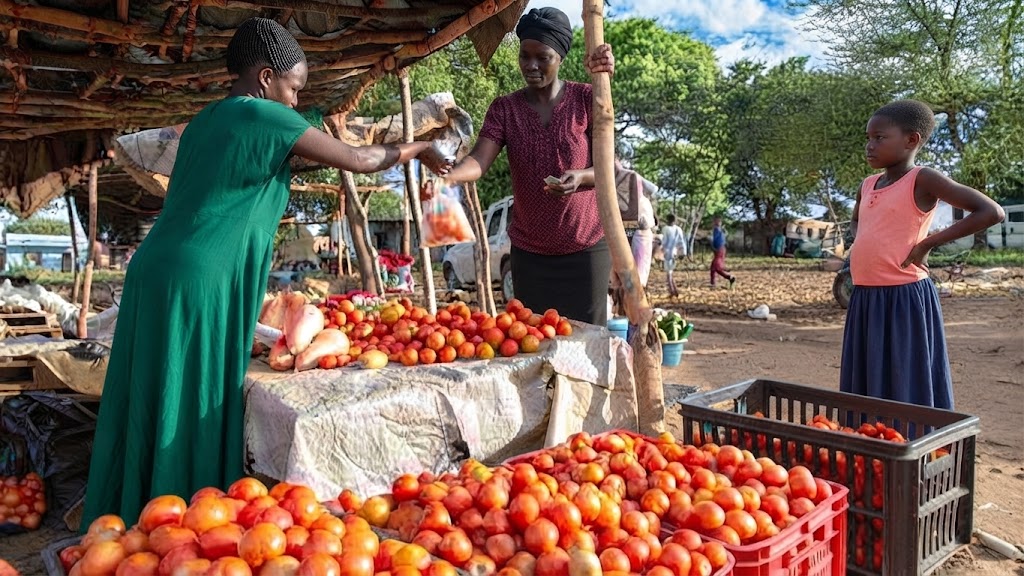
Kenyan households are facing mounting pressure from rising food prices, with annual food inflation reaching 9.5% in September 2026 as weather-related supply disruptions and higher distribution costs weigh on the market.
Figures from the Kenya National Bureau of Statistics show that overall annual inflation stood at 6.8%. Transport costs rose by 15.6%, while housing, water, electricity, gas and other fuels recorded a combined increase of 3.2%.
Several everyday foods registered substantial price increases. Potatoes cost 33.6% more than a year earlier, while sukuma wiki rose by 32.5%, cabbage by 25.8% and tomatoes by 21.1%.
Dairy products also became more expensive amid reported shortages. The average price of a 500ml packet of fresh milk increased from KSh57.74 in August to KSh61.23 in September. A two-kilograms packet of white wheat flour rose by 4.5% during the month to KSh181.
Dry conditions have affected agricultural production and milk supplies, adding to the strain on household budgets. Higher transport expenses have compounded the problem by increasing the cost of moving food from producing areas to markets.
Attention is now turning to the October–December rainy season. The IGAD Climate Prediction and Applications Centre has forecast an increased likelihood of wetter-than-normal conditions across much of the Greater Horn of Africa as El Niño strengthens, alongside a positive Indian Ocean Dipole.
Although additional rainfall could support farming, excessive rain presents risks to crops, roads and food distribution. Kenya’s meteorological authorities have also cautioned that El Niño’s strength alone does not determine how much rain individual areas will receive.
The inflation figures will form part of the backdrop to the Central Bank of Kenya’s Monetary Policy Committee meeting on Wednesday, October 7. The benchmark Central Bank Rate currently stands at 8.75%.
While some analysts see a possibility of tighter monetary policy, the Kenya Bankers Association has urged policymakers to maintain the existing rate to support lending and economic activity. The committee faces the task of containing price pressures while avoiding measures that could weaken the recovery in private-sector credit.
Source: Omanghana