Omanghana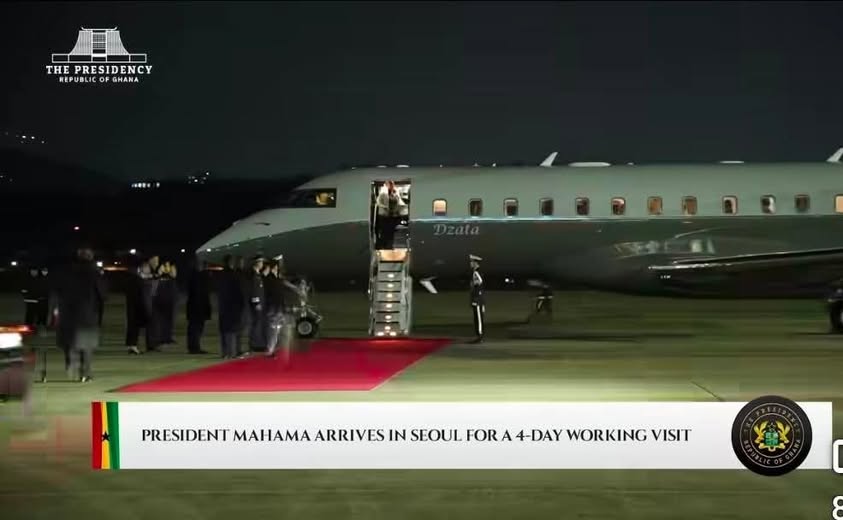
The Minority Caucus in the Parliament of Ghana has accused President John Dramani Mahama of breaching constitutional provisions and the Code of Conduct for Public Officials over his continued use of a private jet owned by his brother, businessman Ibrahim Mahama.
According to the opposition, the arrangement raises serious ethical concerns, particularly around potential conflicts of interest. They argue that relying on a private asset provided by a close relative who has active business interests with the state creates a situation that could compromise transparency and accountability. The issue has drawn further attention due to the involvement of Ibrahim Mahama’s company, Engineers & Planners, in a bid to acquire the Damang Gold Mine, prompting fears of undue influence or “state capture.”
Minority lawmakers, including Nana Asafo-Adjei Ayeh, have questioned whether the arrangement violates ethical guidelines that caution public officials against accepting significant benefits from individuals with direct or indirect dealings with the government. They have also raised concerns about a lack of transparency, calling for full disclosure of the financial terms surrounding the use of the aircraft and whether any indirect state payments are involved.
In response, the presidency has defended the use of the private jet as a cost-saving measure. Government officials maintain that the state only covers operational expenses such as fuel and landing fees, arguing that the arrangement is more economical than chartering aircraft, as was done by previous administrations.
Officials have also explained that the decision is temporary, citing ongoing maintenance and safety checks on the official presidential aircraft, a Dassault Falcon 900EX Easy. The privately owned jet, reportedly branded “Dzata,” is therefore being used as an interim solution for official travel.
Despite the government’s defense, the Minority has indicated plans to petition the Commission on Human Rights and Administrative Justice to investigate the matter. The proposed inquiry is expected to examine both the ethical implications of the arrangement and any potential links between state decisions and private business interests.
Source: Omanghana