Omanghana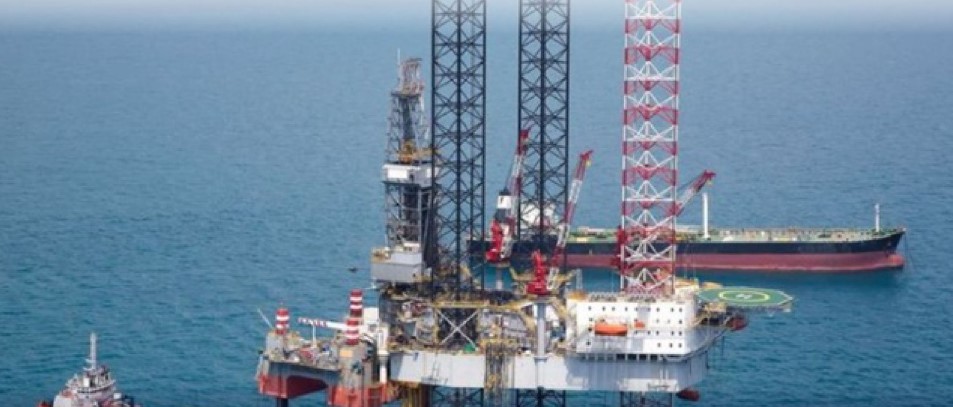
Following a ceasefire between the United States and Iran in early April 2026, Qatar has begun mobilizing workers to restart operations at the Ras Laffan industrial complex, the world’s largest liquefied natural gas (LNG) facility, after weeks of disruption caused by unprecedented missile strikes during the conflict. The facility, which has been offline since early March, is central to global energy markets, and its gradual recovery is being closely monitored by governments and industry stakeholders worldwide. Initial efforts are focused on limited maintenance and safety assessments, with some production units expected to come back online within days; however, a full return to pre-conflict output levels is projected to take months and potentially years due to the scale of the damage sustained. The strikes, which directly hit key infrastructure including production Trains 4 and 6, eliminated roughly 17 percent of Qatar’s annual LNG export capacity, equivalent to about 12.8 million tonnes. Repairing these units presents a significant engineering challenge, as it requires specialized, custom-built components such as replacement gas turbines, with current estimates suggesting a recovery timeline of three to five years for full restoration. Industry analysts, including energy consultancy Wood Mackenzie, indicate that even under an optimistic scenario where partial production resumes by May, it is unlikely that all 12 operable trains at Ras Laffan will be fully functional before late August 2026. The disruption has also had cascading effects on Qatar’s long-term expansion strategy, particularly the North Field East project, which is a cornerstone of the country’s plan to increase LNG output. Originally scheduled for completion in late 2026, timelines for new production trains have reportedly slipped to August 2027, reflecting both logistical delays and the need to reallocate resources toward immediate recovery efforts. The broader implications for global energy markets are substantial. Qatar typically accounts for roughly one-fifth of the world’s LNG supply, and the sudden outage has contributed to a tightening of global gas markets. Although European gas prices initially fell by nearly 20 percent on news that production could partially resume, prices have since stabilized amid ongoing uncertainty about the pace of recovery. Compounding these challenges, QatarEnergy has declared force majeure on long-term supply contracts with key buyers in China, South Korea, Italy, and Belgium, underscoring the severity of the disruption and its impact on international energy commitments. Financially, the outage is estimated to cost Qatar approximately $20 billion in annual revenue, highlighting the high stakes involved in restoring operations as quickly as possible. Beyond infrastructure repairs, the success of the recovery effort will also depend on geopolitical stability, particularly the security of shipping routes through the Strait of Hormuz, a critical chokepoint for global energy transport. While the current two-week ceasefire offers a temporary window to facilitate movement and reduce tensions, the situation remains fragile, and any renewed hostilities could further delay recovery efforts and exacerbate volatility in global energy markets.
Source: Omanghana