Omanghana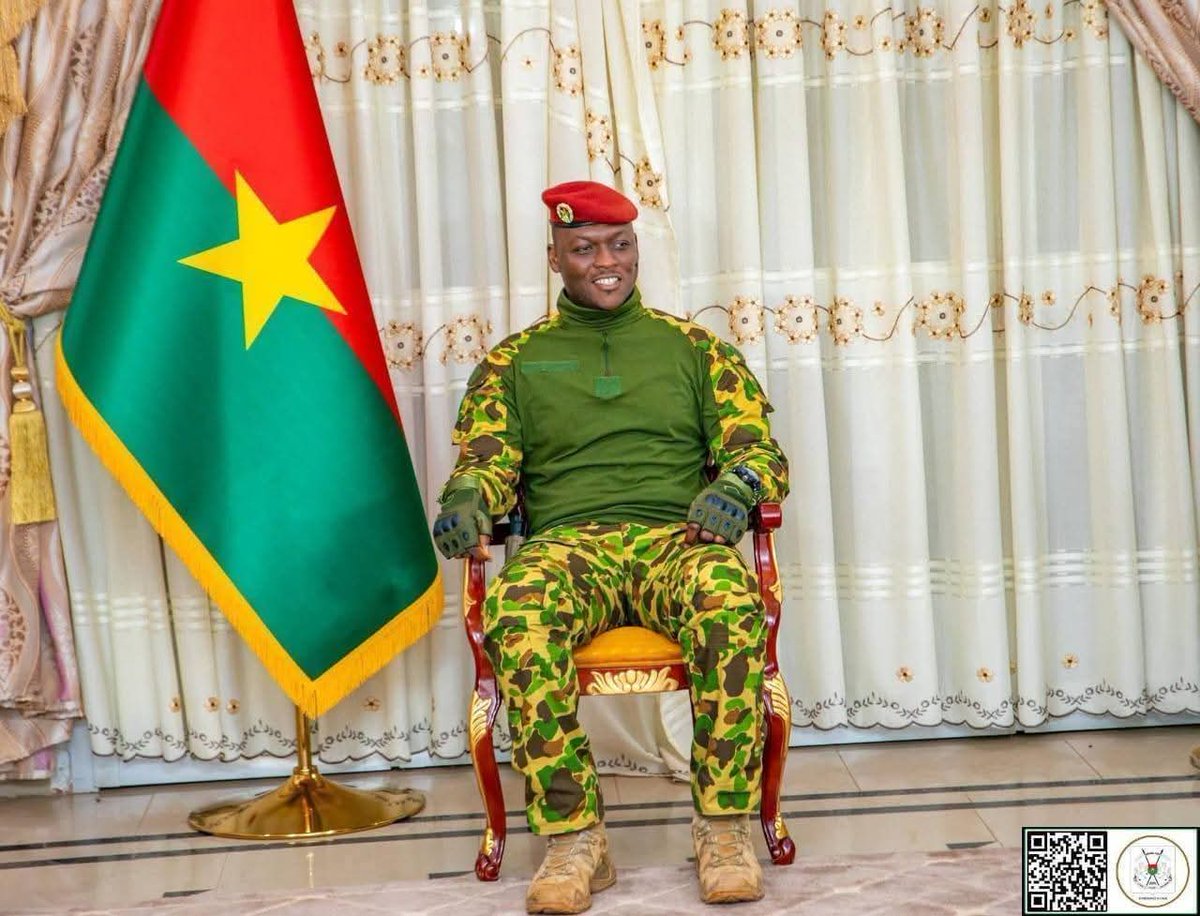
Burkina Faso has officially designated May 15 as the National Day of Customs and Traditions in a move presented by the government as a major step toward restoring and preserving the nation’s cultural identity under the leadership of Captain Ibrahim Traoré.
The decision, announced as part of what supporters describe as a broader “renaissance” movement, seeks to place traditional values, indigenous knowledge, and ancestral heritage at the center of national life after decades in which many local customs were overshadowed by imported cultural and political models.
According to advocates of the initiative, the new national observance represents recognition for traditional custodians, customary chiefs, ritual leaders, and millions of Burkinabe citizens whose social and spiritual worldview remains deeply rooted in ancestral practices and community traditions.
By dedicating an official national day to customs and traditions, the government is signaling that culture should not be treated as symbolic folklore, but as a foundational pillar of state-building, social cohesion, and long-term national development.
Supporters of the policy argue that no country can achieve sustainable progress if it becomes disconnected from its cultural roots. They contend that development models detached from local identity often produce weakened social bonds, imitation-based governance, and populations struggling with a loss of historical and cultural direction.
Under Captain Traoré’s administration, Burkina Faso has increasingly emphasized cultural sovereignty alongside political and economic independence. Government supporters say the return to traditional values is intended to strengthen unity, solidarity, respect for elders, collective responsibility, and the preservation of sacred cultural institutions.
The initiative also highlights the role of customary authorities in conflict prevention, land management, and the transmission of moral and social values across generations. Officials and supporters believe recognizing indigenous systems of knowledge can help rebuild trust between communities and the state while reinforcing a uniquely Burkinabe national identity.
Source: Omanghana