Omanghana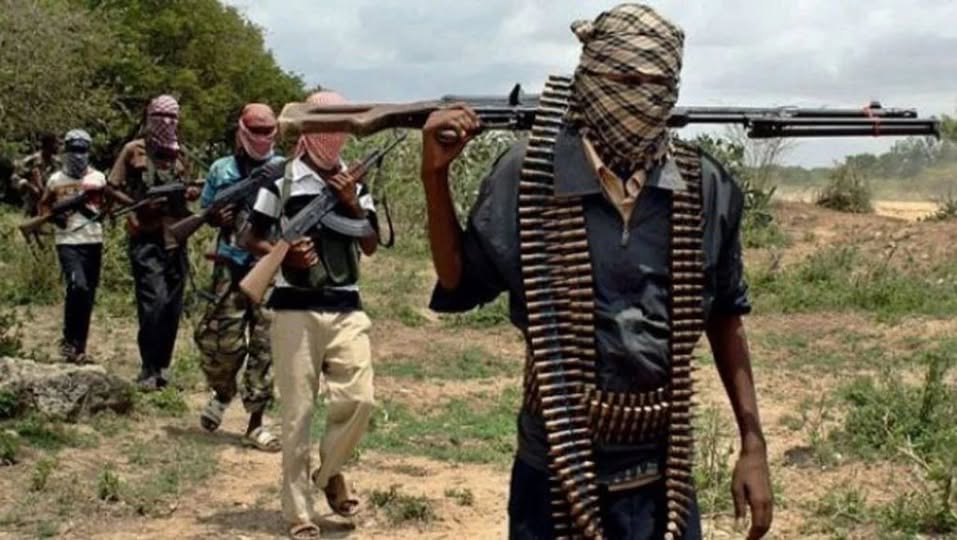
33 people were reportedly killed after a wave of coordinated attacks by an armed militant group swept through communities in northwest Nigeria, marking another deadly escalation in the country’s worsening security crisis.
Targeted Community in Kebbi State
The attacks occurred in the Biu community within the Arewa Local Government Area of Kebbi State, according to Nigerian police and local officials. Residents reported that gunmen stormed the area in large numbers, firing indiscriminately and overwhelming local defenses.
Security sources identified the attackers as members of Lakurawa, a militant group that has been expanding its operational footprint across parts of northwest Nigeria in recent months.
Motive Linked to Cattle Rustling
According to The Associated Press, the militants entered the district primarily to rustle cattle, a tactic increasingly used by armed groups to finance operations and exert control over rural communities.
Witnesses said the attackers crossed into Kebbi State from neighboring Sokoto State, launching near-simultaneous raids on multiple settlements before retreating into forested areas.
Security Forces Deployed
Following the massacre, Nigerian security forces—including army units and mobile police squads—were deployed to the affected areas to restore order and pursue the fleeing attackers. Authorities say operations are ongoing, though the difficult terrain and porous state borders continue to complicate counterinsurgency efforts.
The attack comes just days after the arrival of approximately 100 United States military personnel in Nigeria to support counter-terrorism training and intelligence cooperation with local forces, underscoring the growing international concern over the deteriorating security situation.
Part of a Broader Surge in Violence
The Kebbi killings are the latest in a broader surge of violence across northern Nigeria, where armed groups—including bandits, jihadist factions, and criminal militias—have intensified attacks on civilians, security forces, and infrastructure.
Earlier this month, more than 160 people were killed in a separate massacre in Kwara State, an attack authorities believe was carried out by a different militant faction with links to Boko Haram.
Analysts warn that the fragmentation of militant groups and their growing involvement in criminal activities such as cattle rustling, kidnapping, and illegal mining are making the conflict more complex and harder to contain.
Rising Humanitarian Concerns
The continuing violence has displaced thousands of residents across northwest and north-central Nigeria, forcing families to flee farming communities already strained by poverty, climate shocks, and limited state presence. Humanitarian organizations warn that without sustained security improvements, attacks on rural populations are likely to continue.
As Nigeria grapples with multiple security fronts—from jihadist insurgencies in the northeast to banditry in the northwest—calls are growing for a more coordinated national and regional strategy to protect civilians and restore stability.
Source: Omanghana