Omanghana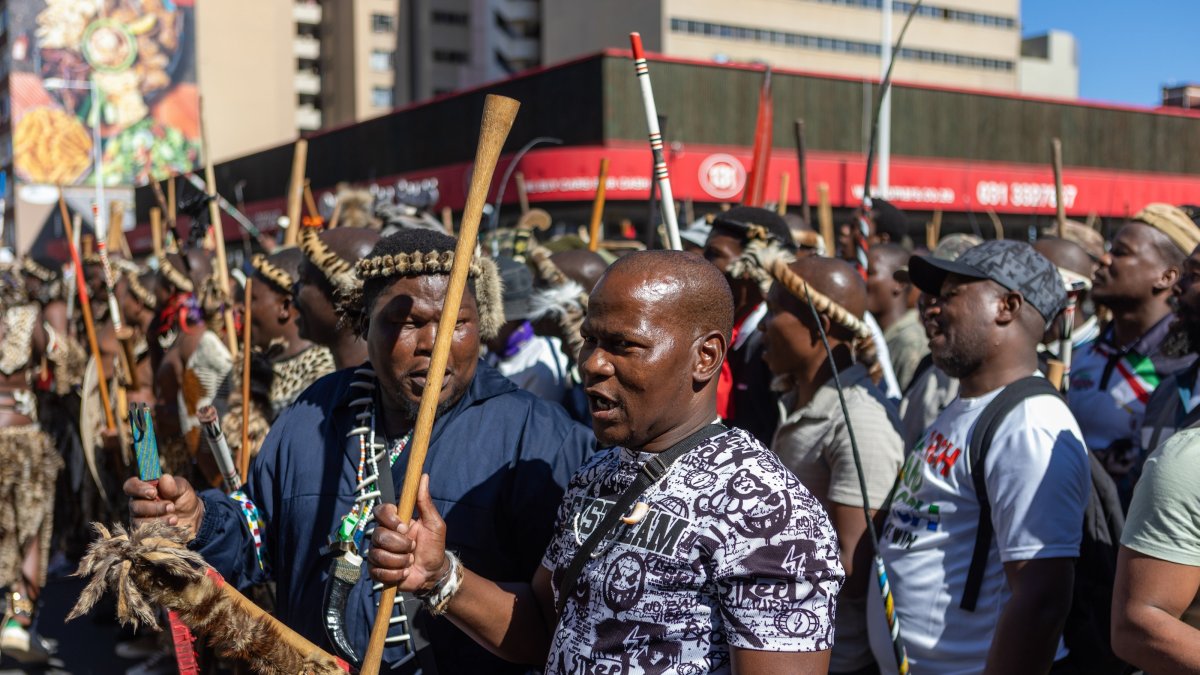
African governments and the African Union have raised serious concerns over a growing wave of anti-immigrant violence and vigilante activity in South Africa, with several nations issuing emergency travel advisories and considering evacuation measures for their citizens living in the country.
The unrest, which has reportedly targeted African foreign nationals and foreign-owned businesses, has triggered heightened diplomatic tensions across the continent amid reports of assaults, killings, intimidation, and looting linked to anti-migrant protests.
Ghana has formally petitioned the African Union to place the crisis on the agenda for the June 2026 Mid-Year Coordination Summit. Ghana’s Foreign Minister Samuel Okudzeto Ablakwa warned that continued inaction could result in retaliatory measures against South African business interests operating in Accra.
In Nigeria, authorities announced a voluntary repatriation initiative after reports emerged that two Nigerian nationals had been killed during the unrest. Officials stated that more than 130 Nigerians registered for evacuation within the first few days of the program. The Nigerian Senate has also reportedly debated possible sanctions against South African interests, including discussions surrounding major companies such as MTN.
Meanwhile, Daniel Chapo traveled to Pretoria for emergency talks with South African President Cyril Ramaphosa amid growing tensions between Mozambique and South Africa. Reports indicated that some groups in Mozambique had threatened to block South African trucks from entering the country in retaliation for attacks on foreign nationals.
Other African nations, including Kenya, Malawi, Lesotho, and Zimbabwe, issued official advisories urging their citizens residing in South Africa to remain indoors, avoid large gatherings, and exercise heightened vigilance due to fears of xenophobic violence.
Analysts say the latest unrest has been driven by worsening economic conditions in South Africa, where unemployment remains above 30 percent and frustration over poor public services has fueled resentment toward migrants. Vigilante movements such as Operation Dudula have intensified campaigns against undocumented migrants, with some members reportedly attempting to prevent foreigners from accessing healthcare facilities and public services.
Although President Ramaphosa condemned the violence during his Freedom Day address, critics have accused some political figures of exploiting anti-immigrant sentiment for populist political gain ahead of upcoming elections.
South Africa’s Department of International Relations and Cooperation (DIRCO) has rejected claims that the country is experiencing widespread xenophobic attacks, describing recent incidents as isolated criminal acts. South African Foreign Minister Ronald Lamola blamed “fake videos” and misinformation for escalating tensions online and pledged that authorities would identify and prosecute individuals responsible for inciting violence. He also reiterated South Africa’s commitment to Pan-African solidarity and regional cooperation.
Source: Omanghana