Omanghana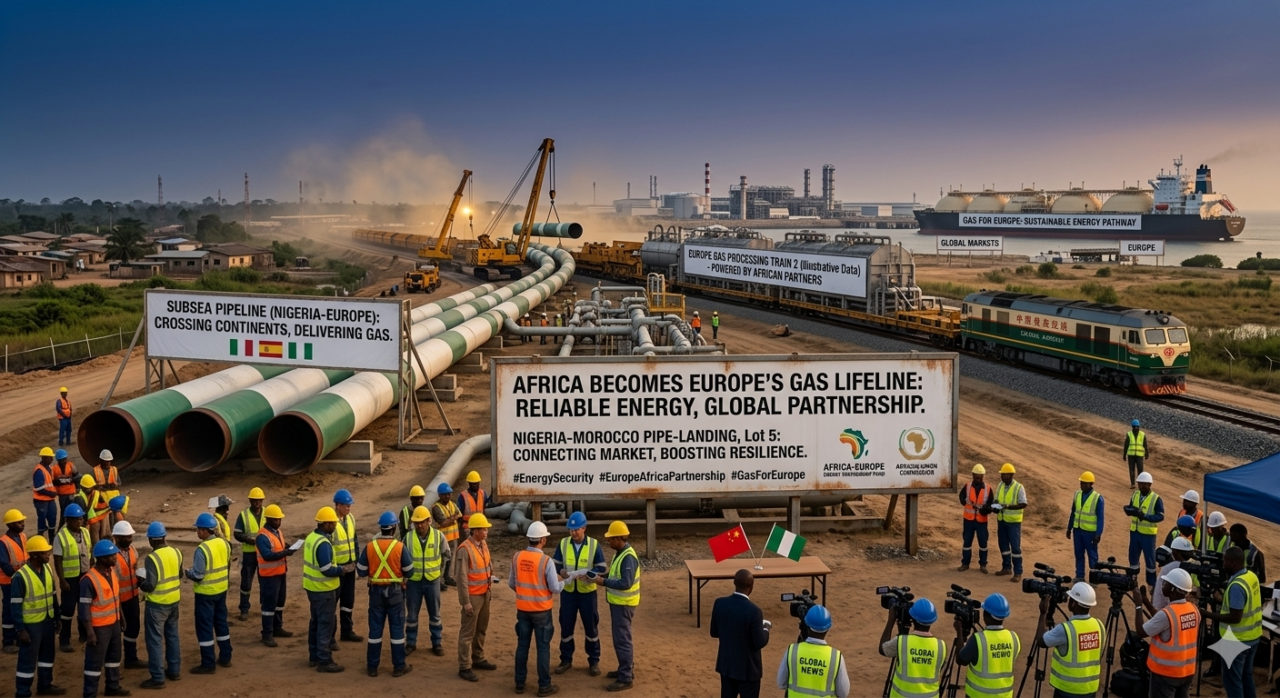
Africa is increasingly emerging as a vital energy partner for Europe as the continent seeks to secure stable supplies amid global energy disruptions. The growing partnership comes as European countries continue to reduce dependence on Russian gas following the Russia–Ukraine War and face additional uncertainty linked to instability in parts of the Middle East.
With energy security becoming a top priority, European governments and utilities are turning to African producers as a reliable alternative. Africa’s geographic proximity to Europe, along with relatively stable maritime routes across the Mediterranean and Atlantic, allows for faster deliveries and lower transportation risks compared with more distant suppliers.
Among African exporters, Nigeria remains a cornerstone of the continent’s liquefied natural gas supply. The country plays a major role in meeting European demand, providing more than half of Portugal’s LNG imports and serving as a significant supplier to LNG terminals in Spain.
New production hubs are also emerging in West Africa. The Greater Tortue Ahmeyim Gas Project, located offshore between Senegal and Mauritania, began production in 2025. The project marks a major milestone for the region and is expected to significantly increase West Africa’s role in global gas exports.
In Central Africa, the Congo LNG Project in the Republic of the Congo is also expanding. A second development phase aims to increase production capacity to around three million tonnes of LNG per year, positioning the country as a growing exporter to international markets.
North African producers continue to play a crucial role as well. Algeria and Libya remain essential suppliers through established pipeline networks that deliver gas directly to southern Europe, particularly Italy and Spain. Italy has recently increased its reliance on Algerian gas as it seeks to diversify supply sources following disruptions affecting other global suppliers.
Meanwhile, Equatorial Guinea continues to export LNG from its Punta Europa LNG Complex, which offers relatively short shipping routes to European markets.
Several factors make African energy resources particularly attractive for Europe. One advantage is geostrategic positioning. Gas shipments from Africa typically avoid some of the world’s most volatile maritime chokepoints, such as the Strait of Hormuz, reducing exposure to geopolitical risks.
Proximity also offers cost benefits. Shorter shipping distances help lower freight and insurance costs, making African LNG and pipeline gas competitive options for European buyers seeking reliable supplies.
In addition, many new gas infrastructure projects across Africa are being designed with long-term energy transitions in mind. Some facilities are expected to be compatible with future exports of green hydrogen or hydrogen-derived fuels, supporting Europe’s longer-term decarbonization goals.
As cooperation expands, policymakers and industry leaders are seeking to formalize partnerships. In March 2026, energy ministers from leading African producing countries are expected to meet in Paris during the Invest in African Energy Forum. The gathering is intended to convert growing European demand into long-term supply agreements and new investment commitments to strengthen Africa’s role in global energy markets.
Source: Omanghana