Omanghana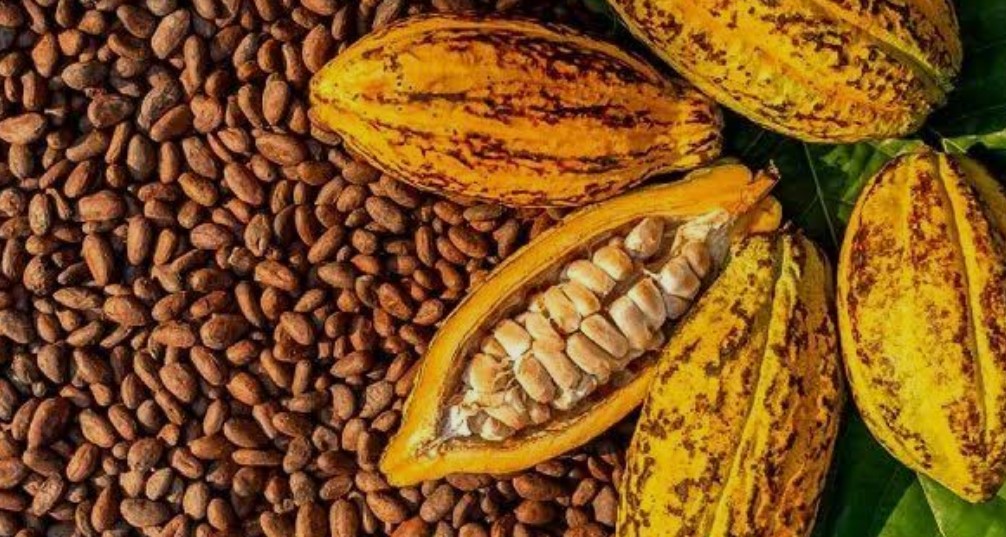
Producer Buying Company, Ghana’s largest cocoa buyer of last resort, is facing a deep financial crisis and the imminent seizure of its assets after accumulating debts estimated at 673 million cedis, or roughly $60 million, according to reports emerging on May 7, 2026.
The mounting liabilities have severely disrupted the company’s operations, halting cocoa purchases across several farming communities and leaving thousands of smallholder farmers unpaid for cocoa beans delivered as far back as November 2025. The situation has intensified concerns over liquidity problems within Ghana’s cocoa sector, a critical pillar of the national economy.
A consortium of Ghanaian banks owed approximately 257 million cedis secured a court order in March 2026 authorizing the sale of PBC’s assets in an effort to recover outstanding debts. The legal action marks a major escalation in the company’s financial troubles and raises uncertainty over the future of one of Ghana’s oldest cocoa institutions.
Beyond the banking obligations, PBC reportedly owes cocoa farmers about 24 million cedis for more than 9,000 bags of cocoa already delivered. The company is also said to be struggling with 24 months of unpaid salaries for staff, unpaid vendor invoices, and outstanding statutory obligations.
Industry analysts say the crisis reflects broader financial strain within Ghana Cocoa Board, commonly known as COCOBOD, as the sector grapples with rising financing costs and reduced liquidity for cocoa purchases.
PBC, which once controlled roughly 30% of Ghana’s domestic cocoa purchasing market, has reportedly seen its market share collapse to less than 5% due to its inability to secure sufficient operational financing. The sharp decline has weakened its role in supporting cocoa farmers, particularly in remote rural areas where private buyers are less active.
In response to the wider funding challenges facing the cocoa sector, Ghana announced plans on May 7, 2026, to raise $1 billion through domestic bond issuances to finance cocoa purchases ahead of the 2026–27 crop season. Authorities hope the new financing structure will help stabilize cocoa procurement and restore confidence in the sector.
The ongoing payment delays have placed severe pressure on farmers, many of whom rely on cocoa income to purchase fertilizers, maintain farms, and prepare for future harvests. Agricultural experts warn that prolonged financial hardship could negatively affect cocoa production volumes and bean quality in upcoming seasons.
Earlier in February, Ghana’s Finance Minister, Cassiel Ato Forson, pledged to revive PBC and position it as a transparent institution capable of ensuring fair cocoa pricing for farmers. However, sources within the company claim no direct government financial support has yet been provided to settle the specific arrears currently threatening its operations.
The crisis at PBC comes at a sensitive time for Ghana’s economy, as the country continues broader debt restructuring efforts while seeking to protect key export sectors that generate vital foreign exchange revenue.
Source: Omanghana