Omanghana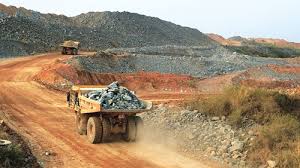
Engineers and Planners, a mining services firm owned by Ghanaian businessman Ibrahim Mahama, has emerged as a leading contender in discussions to take over operations at the Damang Gold Mine as the current operator, Gold Fields Limited, prepares to exit the project.
Gold Fields is expected to formally relinquish ownership and operational control of the mine on April 18, 2026. The transition follows a decision by the government of Ghana not to renew the company’s 30-year mining lease when it expired in April 2025, signaling a shift toward greater local participation in the country’s extractive sector.
Authorities are currently reviewing proposals from three Ghanaian investors interested in taking over the mine. The bidders include Engineers and Planners, BCM International, and the Vortex Resources consortium. Regulators estimate that restoring full-scale operations at the site could require an investment of up to $1 billion.
Engineers and Planners is considered a strong candidate partly due to its longstanding presence at the Damang site. The company has worked as a contractor at the mine for more than two decades, giving it extensive operational knowledge and familiarity with the facility’s infrastructure and production systems.
The firm has also recently strengthened its financial capacity. In March 2026, Engineers and Planners secured a $205 million financing package from a consortium of banks that includes Stanbic Bank Ghana and Standard Bank Group to expand its mining operations and support potential acquisitions.
In addition, Ibrahim Mahama recently acquired the Black Volta Gold Project for approximately $100 million. The acquisition positions Engineers and Planners as the owners of what is expected to become Ghana’s first large-scale, wholly indigenous gold mining operation.
The potential takeover of the Damang mine reflects a broader policy shift in Ghana’s mining sector aimed at increasing local ownership and retaining more value within the national economy. The government has been pursuing reforms designed to boost domestic participation in the extractive industry and strengthen the role of Ghanaian companies.
However, some of these reforms—including proposals for higher royalties and stricter regulatory frameworks—have drawn concerns from international stakeholders such as the United States, United Kingdom, and Canada. Critics argue that rising operational costs could affect foreign investment, while supporters maintain that the changes are necessary to ensure that Ghana derives greater long-term benefits from its natural resources.
As the bidding process continues, the decision on the future operator of the Damang Gold Mine is expected to play a key role in shaping the next phase of Ghana’s mining industry.
Source: Omanghana