Omanghana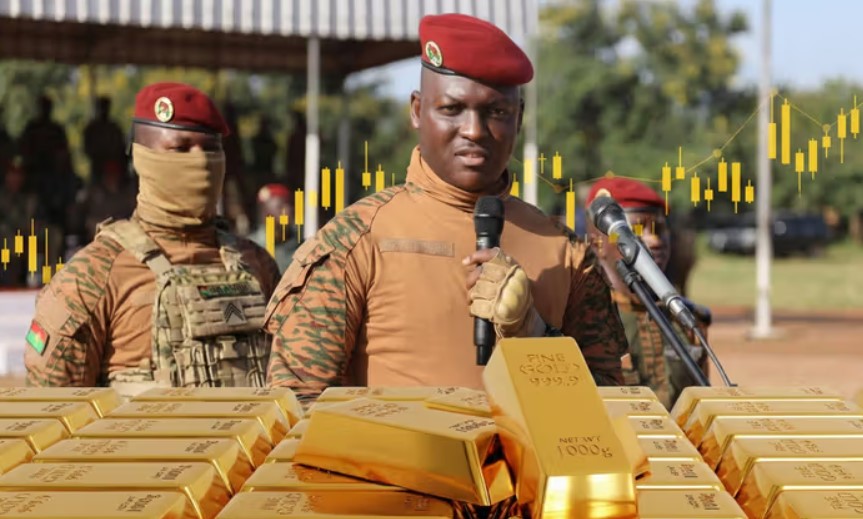
Africa has emerged as the center of a new global gold rush as soaring bullion prices strengthen the bargaining power of mineral-rich nations and accelerate a wave of resource nationalism across the continent.
Gold prices are projected to climb toward $6,300 per ounce by the end of 2026, driven by strong safe-haven demand, central bank diversification strategies, and growing investor movement away from paper assets into physical commodities. The rally is reshaping global mining dynamics and giving African governments greater leverage over foreign mining companies operating within their borders.
The surge in prices has emboldened African governments to tighten mining regulations, increase state ownership stakes, and push for greater local participation in the sector to ensure more mining revenue remains within domestic economies.
Ghana, Africa’s leading gold producer, has introduced policies requiring foreign mining companies to transition toward contract mining models that prioritize local ownership by 2026. In one of the continent’s most significant resource nationalism moves, the Ghanaian government is also set to assume full control of the Damang gold mine from Gold Fields on April 18, 2026.
Mozambique has proposed major mining reforms that would guarantee the state a minimum 15% ownership stake in all mining projects. The government has also imposed restrictions on the export of unprocessed minerals in an effort to encourage domestic refining and value addition industries.
In Burkina Faso, the state mining entity Société de Participation Minière du Burkina is seeking to raise its ownership stake in the Kiaka mine from 15% to 40% before the end of 2026.
Meanwhile, Mali and Tanzania have both revised their mining codes to secure higher royalties and stronger state participation during periods of elevated commodity prices.
The continent’s gold production has also surged in response to the rally, surpassing 700 tonnes in 2025. New projects are increasingly being launched to capitalize on strong market conditions, including Qala Shallows, South Africa’s first new underground gold mine in 15 years.
African central banks are also expanding their gold reserves as part of broader efforts to stabilize local currencies against global economic volatility. Gold now accounts for an estimated 17% of central bank reserves across the continent, reflecting a growing strategy of leveraging domestic mineral wealth to strengthen financial resilience.
Source: Omanghana