Omanghana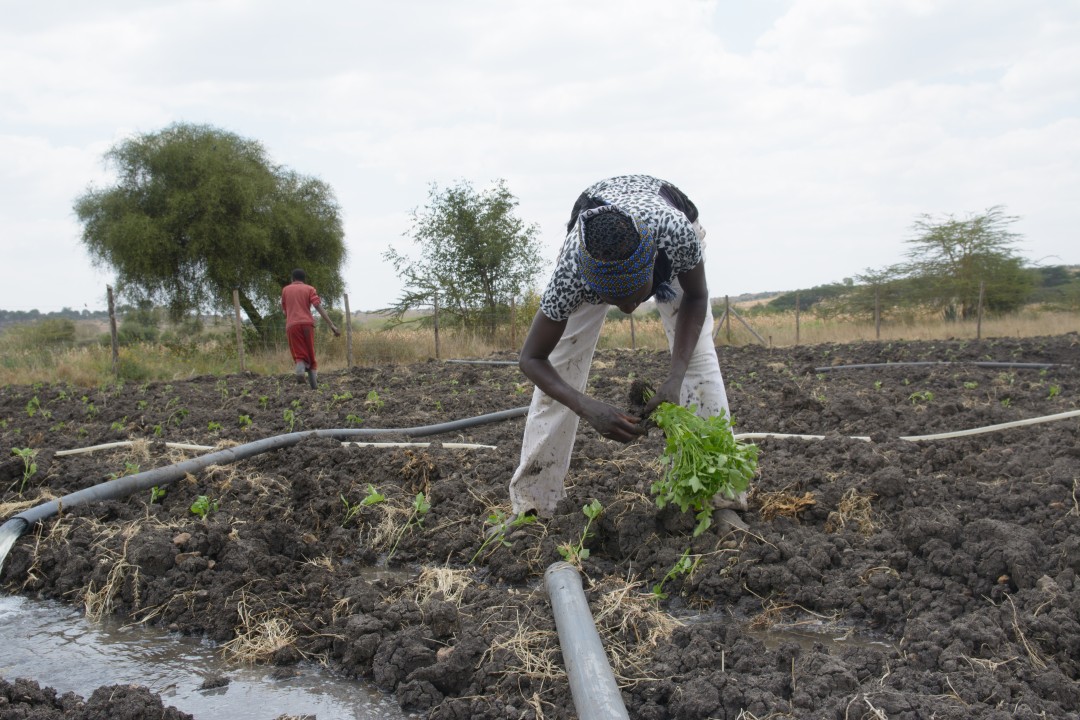
photo from LinkedIn
Scientific and technological breakthroughs in agriculture across Africa continue to face major obstacles due to chronic funding shortages and weak policy support systems, according to academic analyses published by The Conversation. Researchers argue that blaming African scientific institutions for low agricultural productivity often ignores the deeper structural failures within national development systems that prevent innovation from reaching farmers at scale.
Experts note that agricultural research investments consistently generate some of the highest economic returns globally, with studies showing that every $1 invested can yield as much as $200 in broader economic benefits. Despite this, at least 20 African governments are reportedly underfunding their agricultural research institutions to levels considered effectively nonfunctional, limiting the continent’s ability to respond to climate change, food insecurity, and rising population pressures.
One of the most critical barriers identified is the weakness of seed and agricultural input systems across many African countries. Although scientists have developed improved climate-resilient crop varieties capable of withstanding drought and changing weather conditions, farmers often struggle to access these seeds on a commercial scale. Limited distribution systems, poor certification processes, and inadequate private-sector participation continue to restrict widespread adoption.
Infrastructure deficits also remain a major bottleneck. Innovations in digital agriculture, solar-powered irrigation, and post-harvest storage technologies frequently fail to scale because of poor rural transport networks, unreliable electricity access, and the absence of effective rural credit systems. Analysts warn that many promising pilot projects collapse once external donor funding ends because local ecosystems are unable to sustain them independently.
Researchers further argue that imported agricultural models designed for Western or Asian farming conditions are often ineffective in Africa due to the continent’s highly diverse ecological zones, drylands, and cultural farming practices. Solutions that succeed in one region may fail entirely in another without localized adaptation and farmer involvement.
Policy experts say the future of African agriculture depends on moving beyond isolated scientific breakthroughs toward building fully integrated support ecosystems capable of turning innovation into large-scale food security. This requires governments and development partners to shift their focus from narrow research financing to broader ecosystem investment strategies.
Among the proposed solutions is the introduction of smarter public subsidies that redirect government spending toward certified seed distribution, localized fertilizer blends, irrigation systems, and modern farming equipment rather than unsustainable blanket subsidy programs. Economists believe such targeted interventions could dramatically improve productivity while reducing wasteful spending.
Another key recommendation involves unlocking private-sector investment to close Africa’s estimated annual agricultural financing gap of between $75 billion and $200 billion. Experts advocate for blended finance mechanisms that combine public funding, private investment, and development support to reduce risk and attract long-term capital into agricultural value chains.
Strengthening partnerships between research universities, agribusiness supply-chain companies, and local civil society organizations has also been identified as essential for ensuring that scientific discoveries reach smallholder farmers who produce the majority of Africa’s food. Analysts say stronger institutional collaboration could help bridge the persistent gap between laboratory innovation and practical field application.
Development observers argue that unless African governments address these structural weaknesses, scientific breakthroughs alone will not be enough to transform the continent’s agricultural sector or achieve long-term food security goals.
Source: Omanghana