Omanghana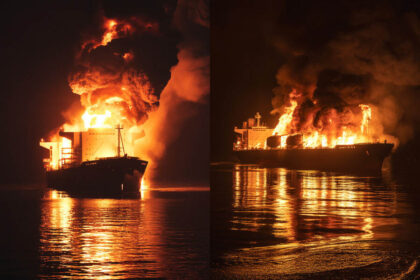
A growing number of African countries are introducing emergency travel, energy, and humanitarian measures as the escalating Middle East conflict continues to disrupt global oil, gas, and medical supply chains. The 2026 crisis, fueled by the widening war involving the United States, Israel, and Iran, has severely affected shipping through the Strait of Hormuz — a vital corridor responsible for transporting nearly 20% of the world’s crude oil and liquefied natural gas supplies.
The disruption has created major shortages in crude oil, LPG, aviation fuel, and imported medicines across Africa, forcing governments to adopt emergency economic and travel strategies to limit the impact on consumers, tourism, and humanitarian operations.
Namibia, which depends entirely on imported refined petroleum products, has introduced several interventions aimed at protecting its economy from the global energy shock.
The Namibian government announced a 50% reduction in fuel levies beginning April 1, 2026, for a three-month period to help cushion consumers and businesses from rising transport and fuel prices.
Authorities are also using the National Energy Fund to absorb fuel under-recoveries estimated at approximately N$2.50 per liter for petrol and N$4.00 for diesel in an effort to stabilize domestic fuel prices.
At the same time, the Namibia Tourism Board has launched a new five-year tourism recovery and connectivity strategy designed to strengthen international air access and protect the country’s wildlife tourism industry amid growing pilot shortages, flight disruptions, and visa processing delays. Several African governments are now implementing similar “belt-tightening” policies or innovative travel solutions as the crisis deepens.
In South Africa, Kenya, Uganda, and Namibia, governments are accelerating visa-free travel initiatives to boost regional tourism and intra-African movement despite growing aviation challenges.
Kenya’s Pan-African visa-free policy has become a model for regional integration as countries seek to offset declining long-haul tourism arrivals with stronger regional travel demand.
Meanwhile, Ethiopia has expanded fuel subsidy programs to protect consumers from soaring energy prices, while Zambia has warned retailers against fuel hoarding and speculative pricing.
Humanitarian agencies including the United Nations High Commissioner for Refugees are also rerouting medical supplies and food shipments around the Cape of Good Hope while increasing reliance on alternative land transport corridors as maritime insurance and freight costs surge.
African nations are increasingly searching for non-Gulf fuel suppliers to reduce dependence on disrupted Middle Eastern exports.
South Africa and Kenya are among the countries reportedly engaging with Dangote Refinery in Nigeria as an alternative source of refined petroleum products.
The refinery is increasingly viewed as a strategic energy backup for African markets as exports from Gulf producers including Oman, Bahrain, and Saudi Arabia continue to face delays due to instability in the Gulf region.
Health experts warn that Africa’s heavy reliance on imported pharmaceuticals could create a major humanitarian emergency if disruptions persist.
Approximately 70% of medicines used across Africa are imported, and rising fuel costs combined with shipping delays are threatening critical stock shortages by June 2026.
The tourism industry is also being reshaped by the crisis, with travelers increasingly favoring politically stable destinations in East and Southern Africa despite rising airline operating costs and logistical complications.
Industry analysts say “safety certainty” is becoming one of the biggest factors influencing international travel decisions as geopolitical tensions continue to spread across the Middle East.
Source: Omanghana