Omanghana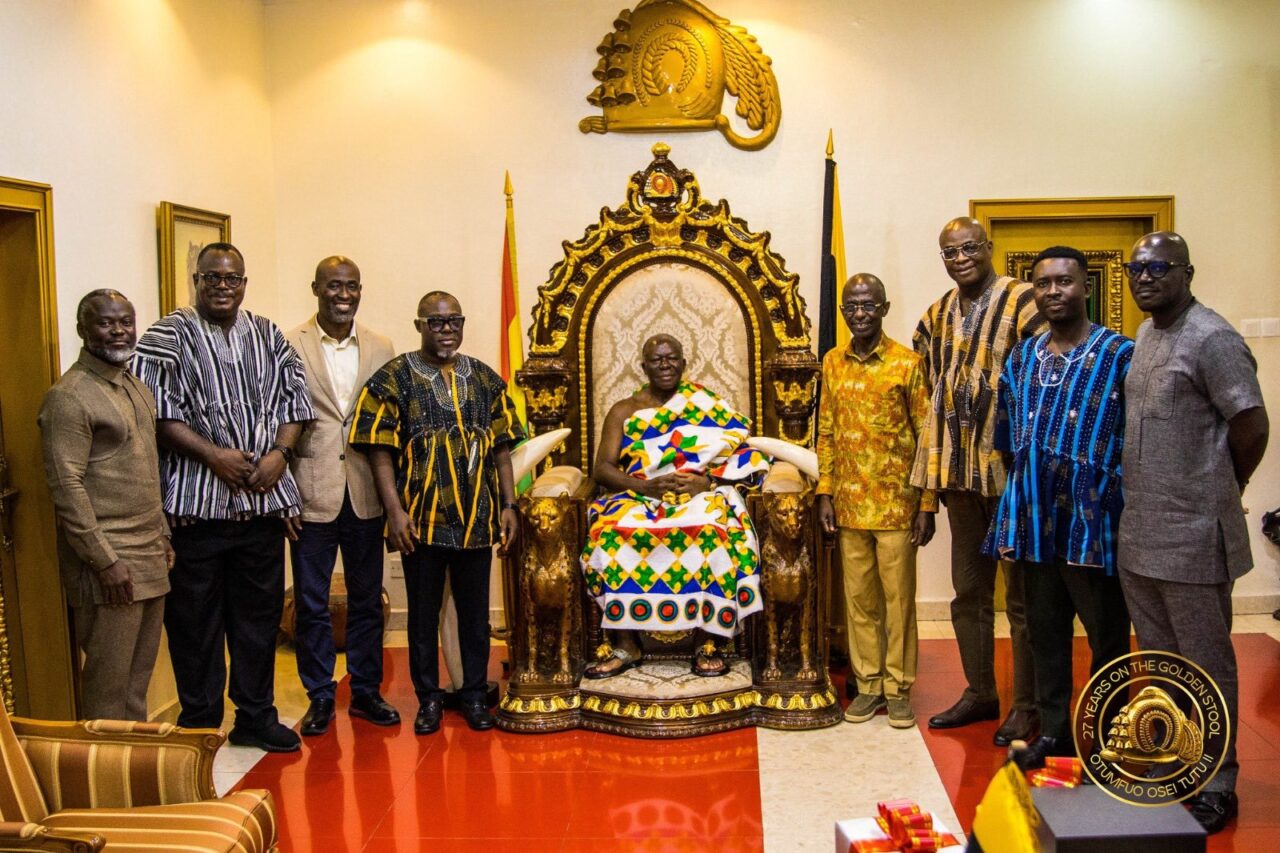
The Asantehene, Otumfuo Osei Tutu II, has warned that abandoning the long-delayed Boankra Integrated Logistics Terminal (BILT) project would result in massive financial losses and damage investor confidence in Ghana.
Speaking during a high-level meeting at the Manhyia Palace on May 4, 2026, the Asantehene stressed that the inland port project has reached a critical stage after nearly 19 years of development challenges.
He expressed concern over the slow pace of work, noting that the project is essential for economic growth, trade expansion, and youth employment in the Ashanti Region and northern parts of the country.
According to updates presented during the meeting, the project had achieved only 6% of its targeted construction progress as of April 2026, significantly below the expected 20% milestone for the period.
The Asantehene cautioned that further delays could undermine public trust and discourage future private investment in major infrastructure projects across Ghana.
He emphasized that completing the terminal would create thousands of jobs for young people while strengthening Ghana’s logistics and transportation sector.
The Boankra Integrated Logistics Terminal is expected to serve as a major inland port connecting Ghana’s ports to neighboring landlocked countries including Burkina Faso, Mali, and Niger.
The project is designed to reduce congestion at the Tema Harbour while lowering transportation and cargo handling costs for businesses operating across West Africa.
Authorities believe the terminal could eventually transform Kumasi into a major regional trade and logistics hub.
Responding to the concerns raised by the Asantehene, Johnson Asiedu Nketiah, Board Chairman of the Ghana Ports and Harbours Authority, said the agency has revised its implementation strategy to fast-track the operational phase of the project.
According to him, the new approach prioritizes completion of the core terminal infrastructure to ensure the inland port becomes operational as quickly as possible.
He disclosed that the railway component of the project has been deferred because of high capital requirements. In the interim, cargo movement will depend on road transportation to avoid stalling the entire project.
Mr. Asiedu Nketiah added that although some supporting infrastructure such as the interchange remains stalled due to funding constraints, the main terminal area itself is approximately 98% complete.
The Boankra Inland Port project has long been viewed as one of Ghana’s most important trade infrastructure initiatives aimed at strengthening regional commerce and improving supply chain efficiency across West Africa.
Source: Omanghana