Omanghana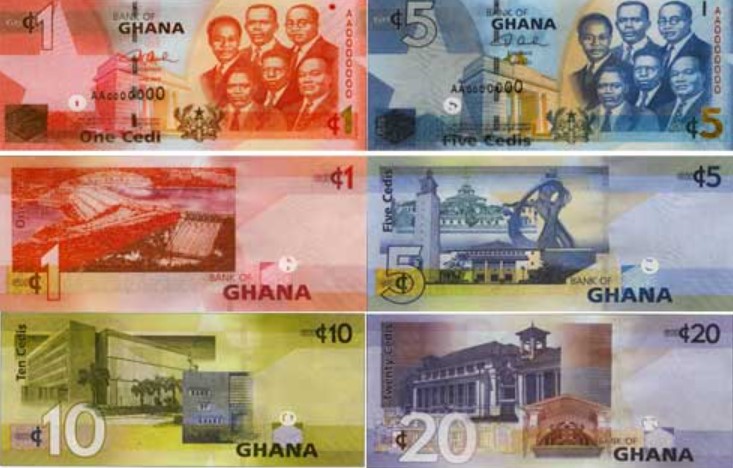
Bank of Ghana has reported a significant decline in the country’s total public debt stock, which fell to GH¢641 billion at the end of 2025 from GH¢726.7 billion recorded in December 2024. The latest figures highlight progress in Ghana’s fiscal consolidation efforts, although the value of the debt in U.S. dollar terms increased during the same period.
According to the central bank, the total public debt in cedi terms dropped substantially to GH¢641.0 billion. However, when measured in dollars, the debt rose to about $61.3 billion compared with $49.4 billion the previous year. The contrasting trends are largely the result of exchange rate movements and the ongoing restructuring of Ghana’s external debt.
The country’s debt-to-GDP ratio also showed marked improvement. By the end of 2025, the ratio had declined to 45.3 percent, down sharply from 61.8 percent a year earlier. Analysts attribute the decline to a combination of fiscal adjustments, debt restructuring initiatives, and improved macroeconomic conditions.
One of the key factors influencing the dollar value of the debt was the strengthening of the Ghanaian cedi during 2025. The currency appreciated significantly over the year, reaching roughly 10.45 cedis per U.S. dollar by the end of the period. When the cedi strengthens, domestic debt denominated in local currency converts into a higher value when expressed in dollars, which helps explain the rise in the dollar-denominated figure despite the overall decline in cedi terms.
Debt restructuring measures also played an important role in shaping the debt profile. Ongoing negotiations with external creditors and the application of valuation adjustments initially reduced the cedi-denominated debt stock. However, as exchange rates improved, the revaluation of some obligations contributed to the increase in the dollar-based total.
The breakdown of the debt stock shows notable changes between external and domestic borrowing. External debt declined significantly to GH¢307.2 billion from GH¢416.8 billion in December 2024. In contrast, domestic debt rose to GH¢333.8 billion, reflecting a growing reliance on local financing as part of the government’s strategy to stabilize public finances.
The improvement in Ghana’s debt indicators has occurred alongside broader macroeconomic gains. Inflation has fallen sharply, reaching about 3.8 percent by January 2026, signaling stronger price stability in the economy. At the same time, the Bank of Ghana reduced its policy interest rate by 150 basis points to 14.0 percent in March 2026 in response to the easing inflation environment.
Fiscal indicators have also strengthened. The government recorded a fiscal deficit of approximately 3.1 percent of GDP while achieving a primary surplus of about 0.5 percent, reflecting tighter expenditure management and improved revenue performance.
Economists say the combination of debt restructuring, currency stability, and fiscal discipline has helped place Ghana on a more sustainable financial path, although continued reforms will be required to maintain the progress and safeguard long-term economic stability.
Source: Omanghana