Omanghana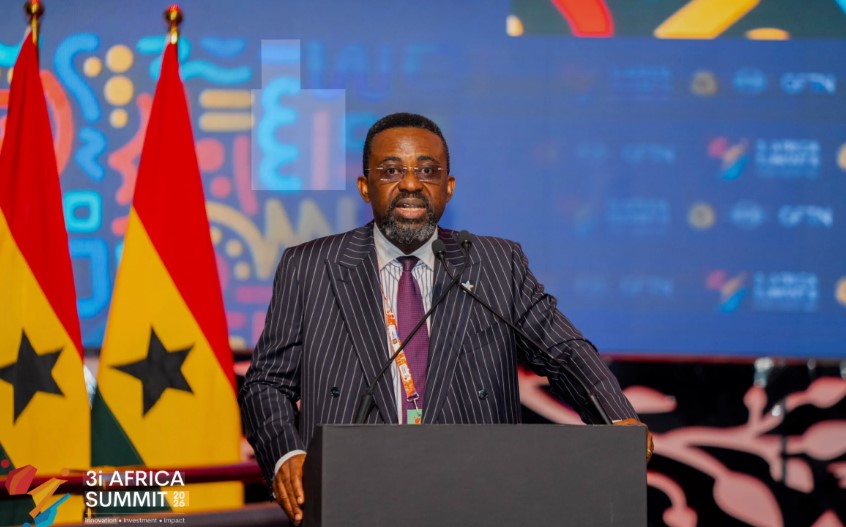
At the 2026 3i Africa Summit held in Accra, Johnson Pandit Asiama warned that weak authentication systems and inadequate Know-Your-Customer (KYC) frameworks remain major threats to the growth and credibility of digital financial services across Africa.
Speaking at the summit, the Bank of Ghana Governor emphasized that the future success of digital finance on the continent will depend heavily on the strength of digital identity systems capable of protecting users, reducing fraud, and strengthening trust in financial ecosystems. He noted that while Africa has made significant progress in expanding access to digital financial services, vulnerabilities in identity verification continue to expose users and institutions to growing risks.
According to Asiama, the challenge facing African economies is no longer simply about building new digital platforms, but ensuring that existing systems can effectively communicate and integrate with one another. He said fragmented systems and poor interoperability create inefficiencies that weaken financial inclusion efforts and open gaps for fraud and abuse.
The Governor stressed that Africa must now move beyond measuring success purely by access to digital accounts and instead focus on the real economic value digital finance can deliver. Citing data showing that nearly 49% of adults in sub-Saharan Africa now have digital accounts, he called for greater emphasis on services such as digital credit, embedded finance, and digital supply chain solutions that can support businesses and improve economic productivity.
A major announcement during the summit was Ghana’s partnership with Rwanda and Zambia to pilot a new Continental Digital Trade Corridor initiative aimed at improving cross-border digital commerce and financial integration across Africa.
The project will focus on the mutual recognition of digital identity systems to simplify cross-border KYC requirements and strengthen mobile money interoperability between participating countries. Officials believe the initiative could become a model for wider continental digital trade integration under the African Continental Free Trade Area framework.
Asiama also revealed that the Bank of Ghana is advancing several regulatory frameworks to support the country’s digital transformation agenda. These include proposed virtual asset regulations, digital credit guidelines, and open banking frameworks intended to modernize Ghana’s financial system while maintaining consumer protection and financial stability.
The remarks come as African governments and central banks accelerate efforts to build stronger digital economies amid rising fintech adoption, expanding mobile money usage, and increasing demand for secure cross-border payment systems.
Source: Omanghana