Omanghana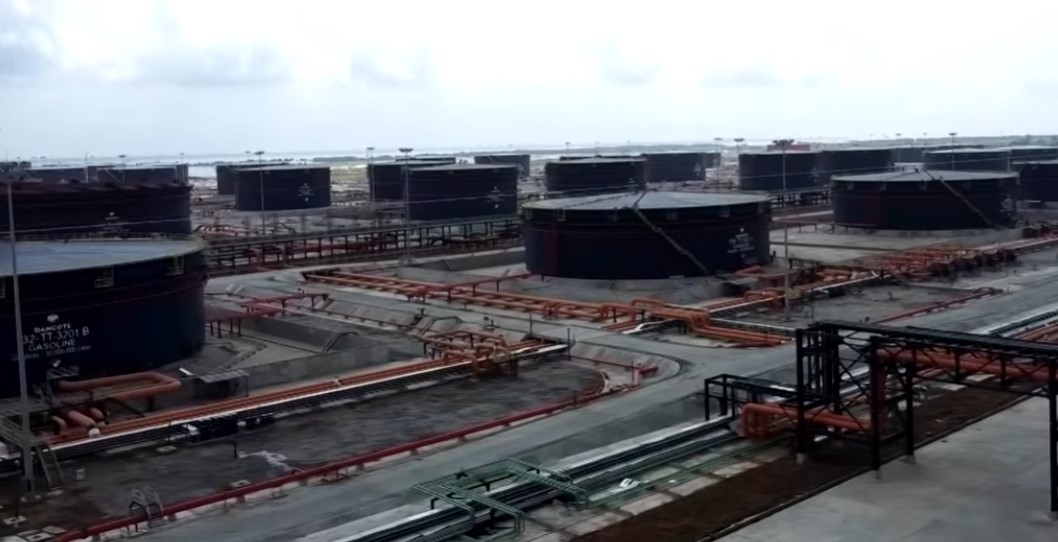
Dangote Refinery is recording record profits from jet fuel exports even as domestic airlines in Nigeria struggle to survive under the weight of soaring local fuel prices, creating a sharp imbalance within the country’s aviation and energy sectors.
The refinery has rapidly positioned itself as a major global supplier amid an ongoing energy crisis linked to geopolitical tensions in the Middle East. In April 2026, its jet fuel exports reached a record 158,000 barrels per day, representing a dramatic 770 percent increase compared to 2024 levels.
Much of this supply is being shipped to Europe, where countries are facing shortages following disruptions in global energy routes, particularly around the Strait of Hormuz. European buyers are importing between 70,000 and 96,000 barrels per day from the refinery to stabilize their markets.
Analysts note that the refinery is benefiting from exceptionally high profit margins. While many European refiners earn about $15 per barrel, estimates suggest Dangote’s margins are more than double that figure due to its large-scale operations and flexible access to different crude oil sources.
Despite producing around 24 million liters of jet fuel daily—far exceeding Nigeria’s domestic demand of roughly 2.1 million liters—local airlines are facing a severe crisis. The price of aviation fuel, known as Jet A1, has surged dramatically from about ₦900 per liter in February 2026 to as high as ₦3,300 per liter in April, marking an increase of over 300 percent.
The Airline Operators of Nigeria has warned that the situation poses an existential threat to domestic carriers, with fuel now accounting for more than 40 percent of their operating costs. Industry stakeholders have also raised concerns that the rising costs could disrupt key operations, including the 2026 Hajj airlift.
In response to the crisis, Bola Tinubu, alongside the Nigerian Midstream and Downstream Petroleum Regulatory Authority, approved a set of emergency measures on April 28, 2026 aimed at stabilizing the sector.
These measures include the introduction of indicative price caps ranging from ₦1,760 to ₦2,037 per liter depending on location, as well as financial relief for airlines, including a 30 percent reduction in debts owed to aviation agencies and a 30-day credit window for fuel payments.
Regulators are also encouraging direct sales of fuel from marketers to airlines within the approved price range, in an effort to eliminate intermediaries and reduce overall costs.
The situation highlights a growing paradox in Nigeria’s energy sector, where increased refining capacity and export success are not yet translating into relief for critical domestic industries.
Source: Omanghana