Omanghana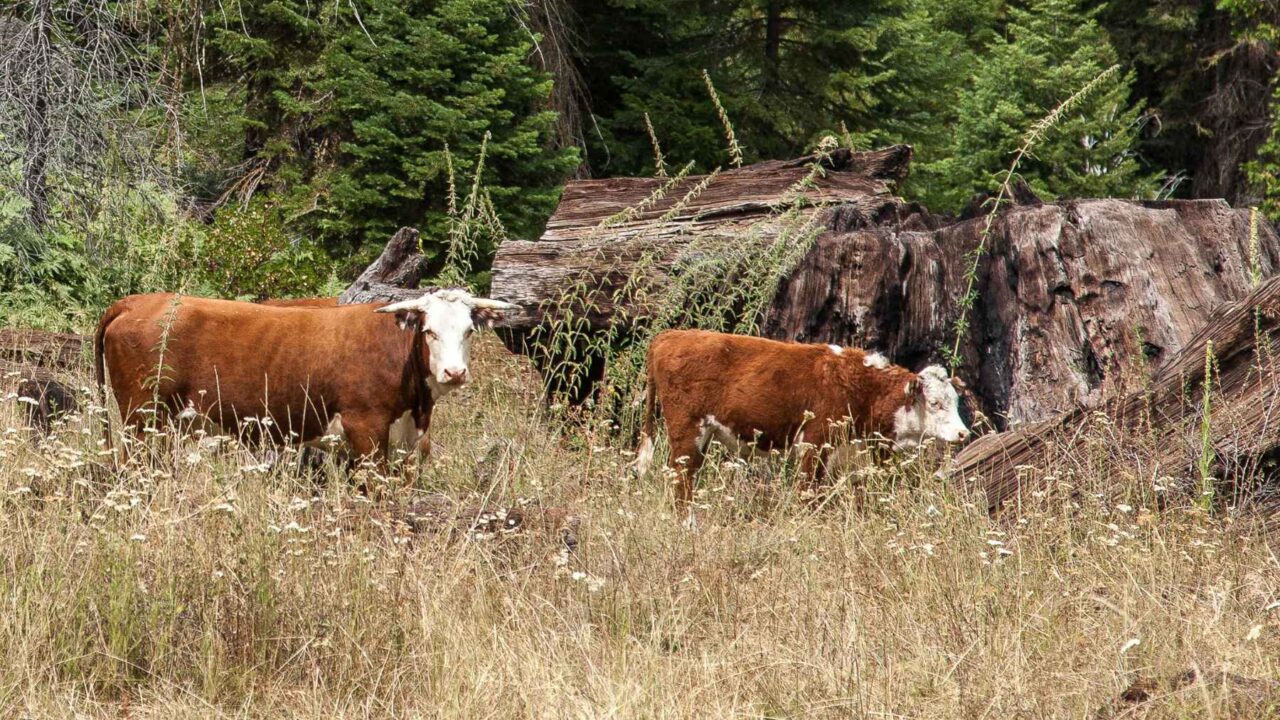
New genetic research into a feral cattle herd abandoned on Amsterdam Island in 1871 has revealed that the animals survived for more than a century in one of the world’s harshest environments not by chance, but because they were genetically “pre-adapted” to endure extreme conditions.
A 2024 study published in Molecular Biology and Evolution found that the isolated herd, which originated from just five cattle left behind by settlers, possessed remarkable genetic resilience and diversity before the entire population was eradicated in 2010.
Researchers analyzing preserved remains discovered that the cattle were a unique hybrid of European Jersey cattle and hardy Indian Ocean Zebu breeds. Scientists say this mixed ancestry provided the animals with a powerful “genetic toolkit” that enabled them to survive the cold, wet, and resource-poor subantarctic environment where most domestic cattle breeds would likely have failed.
The study also revealed evidence of rapid feralization. Genomic scans showed that many of the most significant evolutionary changes occurred in genes linked to nervous system function and behavior. Researchers believe the cattle quickly adapted by becoming more aggressive, independent, and socially reorganized within only a few generations after being abandoned.
The findings challenge long-standing evolutionary assumptions, particularly the theory of “island dwarfism,” which suggests large mammals isolated on islands tend to shrink in size over time. Instead, the Amsterdam Island cattle maintained a relatively stable body size and developed a rugged physical build suited to the island’s severe climate.
The herd survived for more than 130 years without human assistance, expanding from only five founders to nearly 2,000 animals by the 1980s. The cattle adapted to life on an island with no permanent freshwater source, feeding on native vegetation while enduring powerful subantarctic winds and extreme weather conditions.
Despite their growing scientific importance as a rare natural experiment in evolution and adaptation, the herd was ultimately eradicated between 1987 and 2010 by authorities from the French Southern and Antarctic Lands administration.
Officials argued that the animals were causing significant environmental damage, particularly to the fragile nesting grounds of the endangered Amsterdam Albatross, one of the world’s rarest seabirds.
Source: ecoticias.com/ Omanghana