Omanghana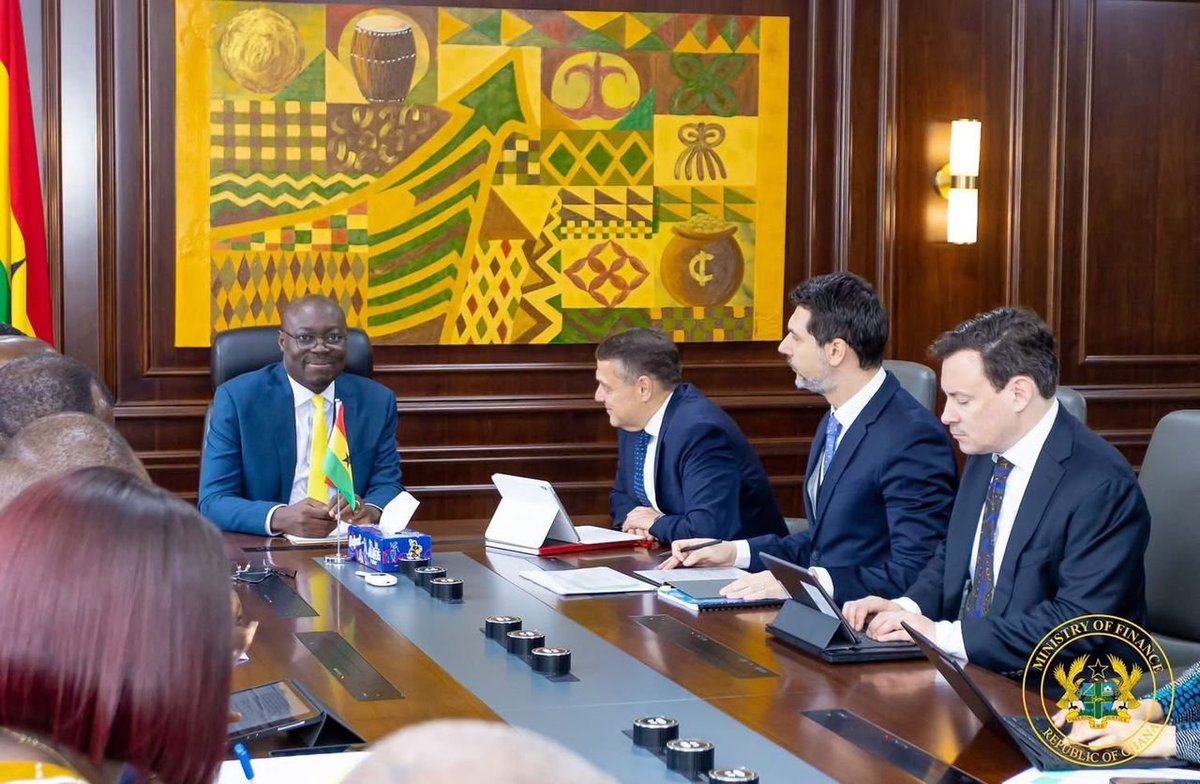
Ghana has officially begun the sixth and final review of its $3 billion Extended Credit Facility (ECF) program with the International Monetary Fund (IMF), marking the last major assessment before the country exits the three-year economic support arrangement in August 2026. The review, which started on April 29, 2026, is expected to determine Ghana’s eligibility for the final disbursement under the program.
Finance Minister Dr. Cassiel Ato Forson described the IMF-supported program as a transformative success, saying it has helped stabilize Ghana’s economy and rebuild international confidence following the country’s economic crisis in 2022.
The IMF mission, expected to run for about two weeks, is focusing on several important areas. These include fiscal consolidation measures such as the implementation of tax amendment bills and procurement reforms introduced under the 2025 Budget. The review is also examining reforms in the energy sector, particularly efforts to address financial losses and debt challenges within the power industry.
Another major area of focus is Ghana’s macroeconomic performance. The IMF team will assess the country’s declining inflation rate, which stood at 3.2 percent in March 2026, as well as the recent stability of the Ghana cedi. These indicators are considered crucial in measuring the country’s economic recovery and sustainability.
Despite the progress made, Dr. Forson identified youth unemployment as one of the biggest remaining challenges facing the country. He stressed that the next phase of economic reforms must move beyond stabilizing the economy and focus on creating private sector jobs for Ghana’s growing youth population.
The IMF program was originally expected to end in May 2026, but it was extended to August to allow for a complete final review using updated economic data. If Ghana successfully passes this review, the country will receive its last tranche of funding, bringing the total disbursement under the program to approximately $3 billion.
Source: Omanghana