Omanghana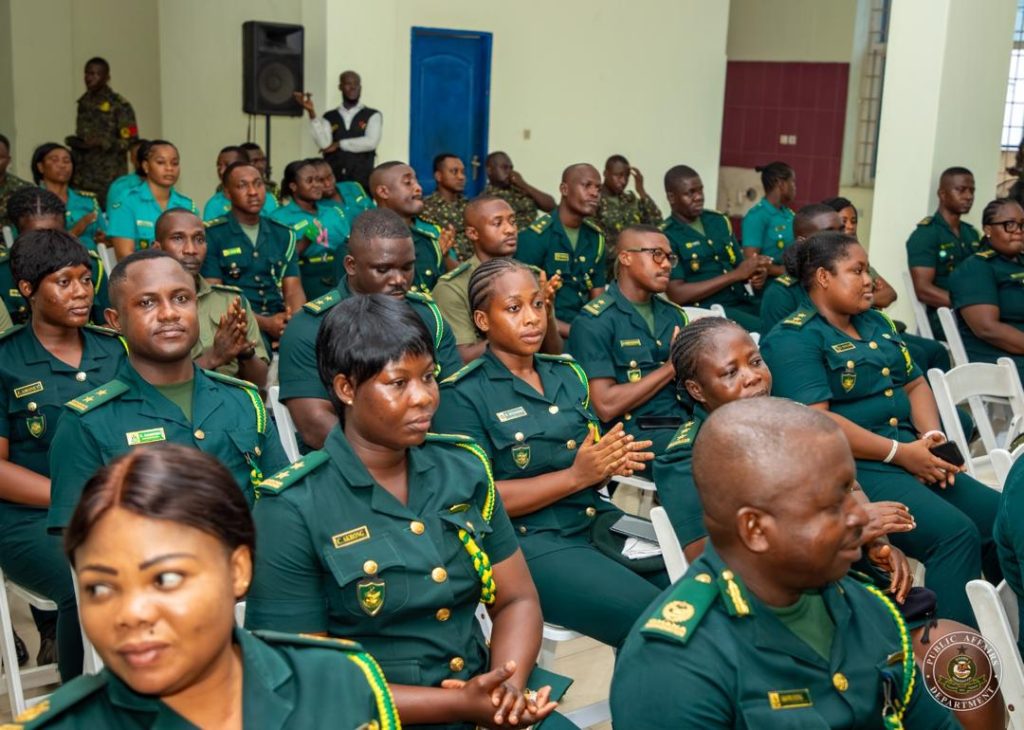
The Ghana Immigration Service is rolling out a sweeping welfare reform package aimed at transforming the working and living conditions of its personnel, in what officials describe as one of the most comprehensive staff-focused initiatives in the service’s history. The announcement was made by Samuel Basintale Amadu during a regional working tour on April 9, 2026, and later reaffirmed in a televised address on April 18, underscoring the administration’s commitment to improving officer welfare across the country.
At the heart of the reforms is a strong focus on financial security and stability for immigration officers. Recognizing the economic pressures faced by personnel, the GIS is introducing a range of self-sustaining schemes designed to provide long-term support. A key component is the establishment of a Mutual Health Insurance Scheme, which will offer comprehensive and predictable healthcare coverage not only for officers but also for their dependents. This initiative is expected to reduce out-of-pocket medical expenses and ensure timely access to quality healthcare services.
In addition, the Service is launching a Mutual Loan Trust Fund to give officers access to low-interest credit, significantly below rates offered by commercial banks. This measure is intended to ease financial burdens, support personal development, and enable officers to meet essential needs without resorting to high-cost borrowing. Complementing this is the creation of a Staff Endowment Fund, a structured financial reserve designed to provide emergency assistance and long-term welfare support, reinforcing a culture of security and preparedness within the service.
Beyond financial interventions, the GIS is also prioritizing improvements in daily logistics and quality of life through strategic partnerships. Transport support forms a central pillar of this effort, with the introduction of welfare buses to facilitate staff movement and reduce commuting challenges. Officers will also benefit from financing options for motorbikes and tricycles, making it easier to navigate both urban and remote duty locations.
Housing assistance is another key area of focus. Through collaborations with private sector partners, officers will have access to building materials for personal housing projects under flexible, long-term installment plans. This initiative aims to address accommodation challenges while empowering personnel to invest in their own homes over time.
Infrastructure development is also underway to support the growing needs of the service. The GIS is constructing modern office facilities in seven regions to enhance operational efficiency, alongside residential projects designed to improve living conditions for staff. Notably, the commissioning of a 24-unit residential facility in Savelugu represents a step toward providing secure and comfortable on-site accommodation for officers deployed in various parts of the country.
In addition to these welfare and infrastructure improvements, the Comptroller-General has outlined administrative reforms aimed at strengthening career progression and institutional fairness. The GIS is revising its establishment structure to ensure that promotions are strictly aligned with available vacancies, creating a more transparent and merit-based advancement system. This move is expected to boost morale and provide clearer career pathways for personnel.
The reforms also extend to retired officers, reflecting a commitment to lifelong service recognition. A dedicated support package for the Association of Retired Immigration Officers (ARIO) will provide office space, transportation, and temporary accommodation, ensuring that former personnel remain supported and connected to the institution they served.
Taken together, these initiatives represent a significant shift in how the Ghana Immigration Service approaches staff welfare, moving beyond basic provisions to a more holistic system that addresses financial, social, and professional needs. By investing in its personnel, the GIS aims to build a more motivated, resilient, and effective workforce capable of meeting the evolving demands of national security and border management.
Source: Omanghana